Dengue Deaths Rise in Brazil's Vale do Paraíba; Region Reaches 17 Fatalities
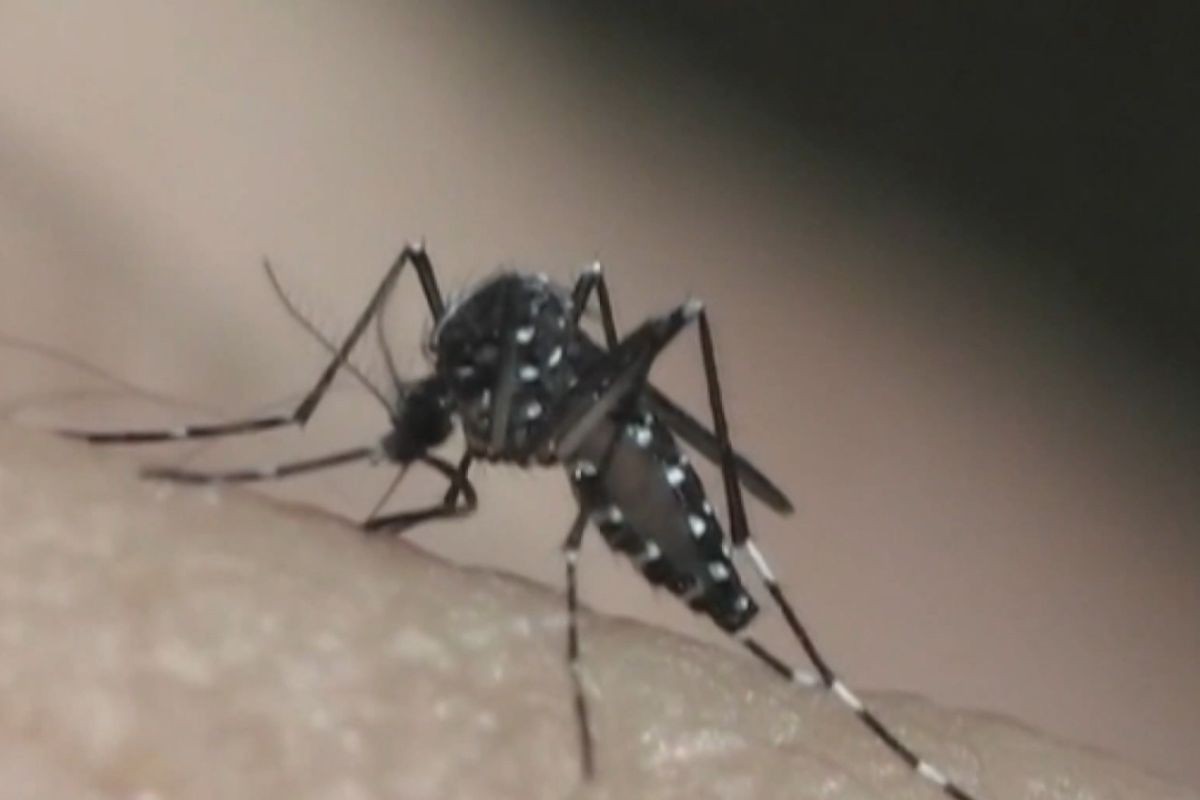
Two municipalities in Brazil's Vale do Paraíba region, Taubaté and Tremembé, have reported new dengue fatalities, bringing the total number of deaths in the region to 17 for the year 2026. Taubaté confirmed its 11th death, a woman aged 83 with chronic kidney disease who tested positive for dengue on July 3rd and passed away on July 22nd. Tremembé registered its third victim, an elderly resident with pre-existing comorbidities. This individual initially received care at the Municipal Emergency Service before being transferred to the Intensive Care Unit (ICU) at the Municipal University Hospital of Taubaté (Hmut), where they ultimately died. The case in Tremembé remains under investigation by health authorities, with the possibility of the death certificate being amended pending further review. The Vale do Paraíba region has recorded a total of 9,246 confirmed dengue cases, with an additional 2,083 cases under investigation. Other municipalities contributing to the death toll include Jacareí with two fatalities and São José dos Campos with one. These statistics are based on data from the State of São Paulo's Health Strategic Information Center (Nies).
The rising dengue death toll in Brazil's Vale do Paraíba highlights the persistent public health challenge posed by arboviral diseases. While specific victim comorbidities are noted, the systemic issue points to the ongoing need for robust vector control programs and accessible healthcare infrastructure, particularly in densely populated areas. The data underscores the importance of rapid diagnostic capabilities and efficient public health reporting systems to track outbreaks and allocate resources effectively. Looking ahead, the interplay between climate change, urbanization, and disease transmission suggests that proactive, integrated strategies combining environmental management, community engagement, and advanced epidemiological surveillance will be crucial in mitigating future risks over the next decade.
AI-generated to prompt reflection — not editorial opinion, not advice, not a statement of fact. How this works.