Denmark Rejects Trump's Greenland Acquisition Idea, Citing Sovereignty
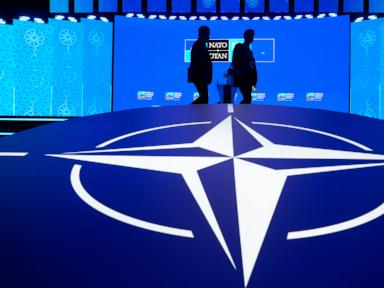
Danish Prime Minister Mette Frederiksen has firmly stated that Greenland is "not for sale," responding to reports that U.S. President Donald Trump has expressed interest in the U.S. acquiring the autonomous Danish territory. Trump's alleged discussions about purchasing Greenland emerged while he was attending NATO meetings in Turkey alongside other world leaders. Frederiksen emphasized that Greenland is part of Denmark and not something that can be bought or sold. She described the idea as "absurd" and reiterated Denmark's commitment to defending its sovereign territory. The comments highlight a significant diplomatic disagreement between the U.S. and Denmark over Greenland's status and potential future. President Trump's administration has reportedly explored the possibility of purchasing Greenland in the past, viewing it as a strategically valuable asset for the United States. This latest statement from the Danish Prime Minister underscores the strong opposition within Denmark to any such proposal, reinforcing the nation's territorial integrity.
The U.S. interest in acquiring Greenland, as reportedly expressed by President Trump, touches upon complex geopolitical and economic considerations. From a strategic standpoint, Greenland's location offers significant advantages for military presence and resource access, particularly in the context of increasing Arctic importance. However, any attempt to purchase sovereign territory raises profound questions about international law, self-determination, and the established norms of state relations. Denmark's resolute defense of its sovereignty, while expected, signals a potential diplomatic hurdle for U.S. foreign policy objectives in the region. Future U.S. strategies may need to focus on cooperative agreements rather than acquisition, especially as global dynamics shift towards multilateralism and respect for national boundaries in the evolving geopolitical landscape.
AI-generated to prompt reflection — not editorial opinion, not advice, not a statement of fact. How this works.