Depilation Myths Debunked: Dermatologist Explains Razor Burn, Skin Darkening, and More
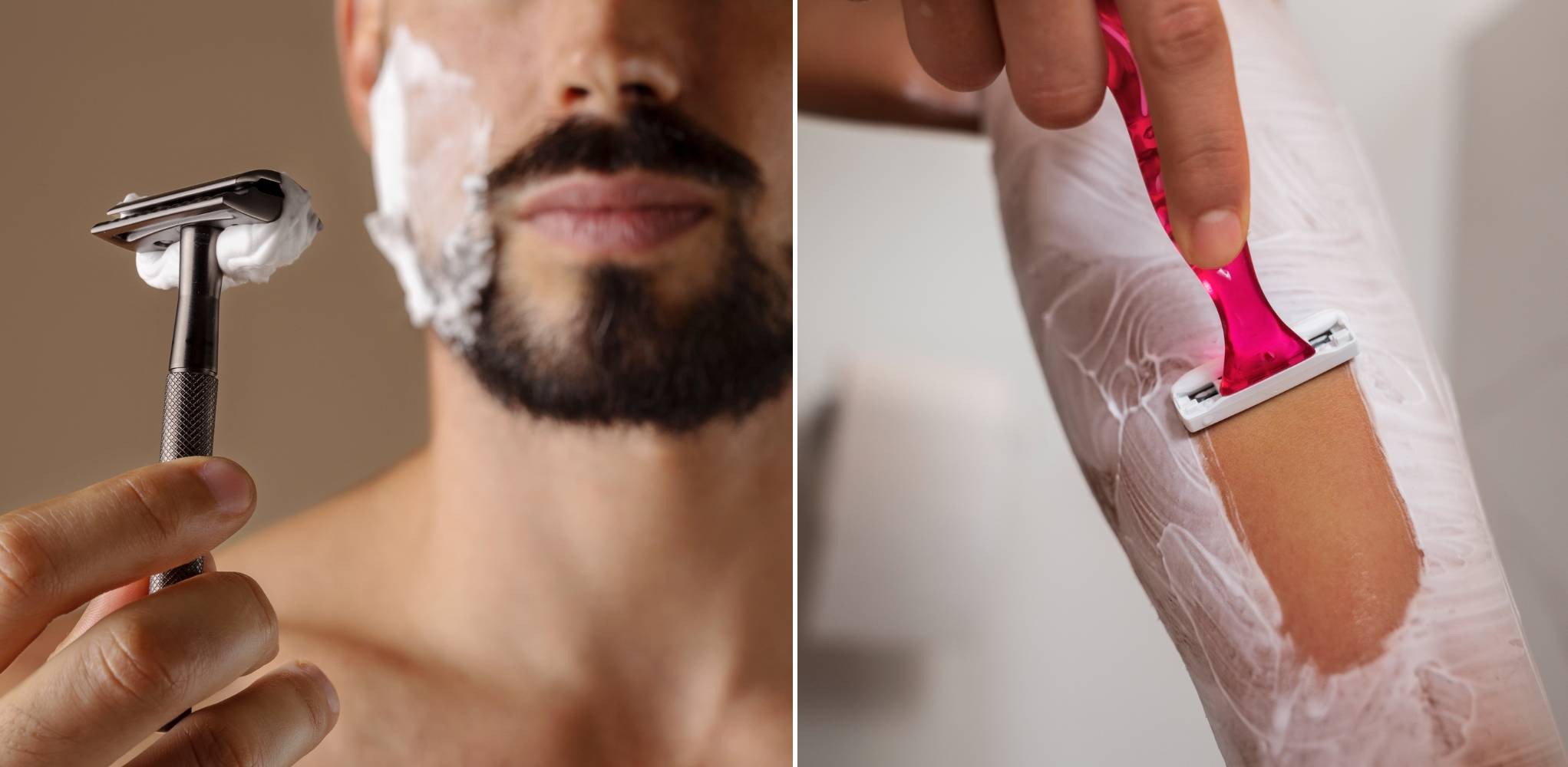
Dermatologist Marisa Gonzaga, from the Centro Universitário Faculdade de Medicina do ABC, clarifies common myths and truths about hair removal methods. She explains that shaving does not thicken or darken hair; any perceived thickening might be due to hormonal issues, warranting a doctor's consultation. Skin darkening after shaving is typically a result of irritation or allergic reactions to the razor or products, not the shaving itself. Electric shavers and epilators, which remove hair from the root, can cause temporary inflammation and redness, potentially leading to skin darkening, especially with sun exposure. Gonzaga advises avoiding the sun for 3 to 5 days after using these methods. While waxing may reduce the incidence of ingrown hairs, it carries risks of burns and skin trauma from heat, which can also cause darkening. Contrary to some beliefs, waxing does not increase the risk of STIs but can lead to skin infections like folliculitis if the area is contaminated; using antiseptic soaps can mitigate this. Depilatory creams, while also reducing ingrown hairs, can cause allergic reactions, particularly in sensitive skin. These creams use chemicals to weaken hair and can lead to contact dermatitis, requiring medical attention and potentially steroid ointments. Individuals with a history of allergies to jewelry or adhesives may be more prone to reactions, as some depilatory creams contain zinc sulfate, also found in jewelry. Ingrown hairs are most common with shaving and trimming, as the cut hair can grow back sharply. To minimize this, Gonzaga recommends shaving during or after showering, not too close to the skin, and in the direction of hair growth, followed by moisturizing and avoiding tight clothing. For persistent ingrown hair issues, professional laser hair removal is suggested as a long-term solution. The report also lists various depilatory products available, ranging from R$23 to R$110.
This report addresses common public concerns regarding hair removal, distinguishing between scientifically supported outcomes and persistent myths. It highlights that physiological changes like hair thickening are often misattributed to depilation methods and are more likely linked to underlying hormonal factors. The analysis underscores the importance of understanding skin's reaction to physical and chemical irritants, noting that post-depilation skin darkening is primarily an inflammatory response rather than a direct effect of the hair removal technique itself. It also points to the potential for various depilatory products to cause adverse reactions, from minor irritation to allergic dermatitis, emphasizing the need for patch testing and professional consultation for sensitive individuals. The discussion of ingrown hairs and the recommendation for laser hair removal suggest a growing consumer interest in long-term hair reduction solutions, reflecting broader trends in aesthetic and personal care driven by technological advancements and a desire for convenience.
AI-generated to prompt reflection — not editorial opinion, not advice, not a statement of fact. How this works.