Depositors of Troubled Cooperatives Face Uncertainty Over Refunds
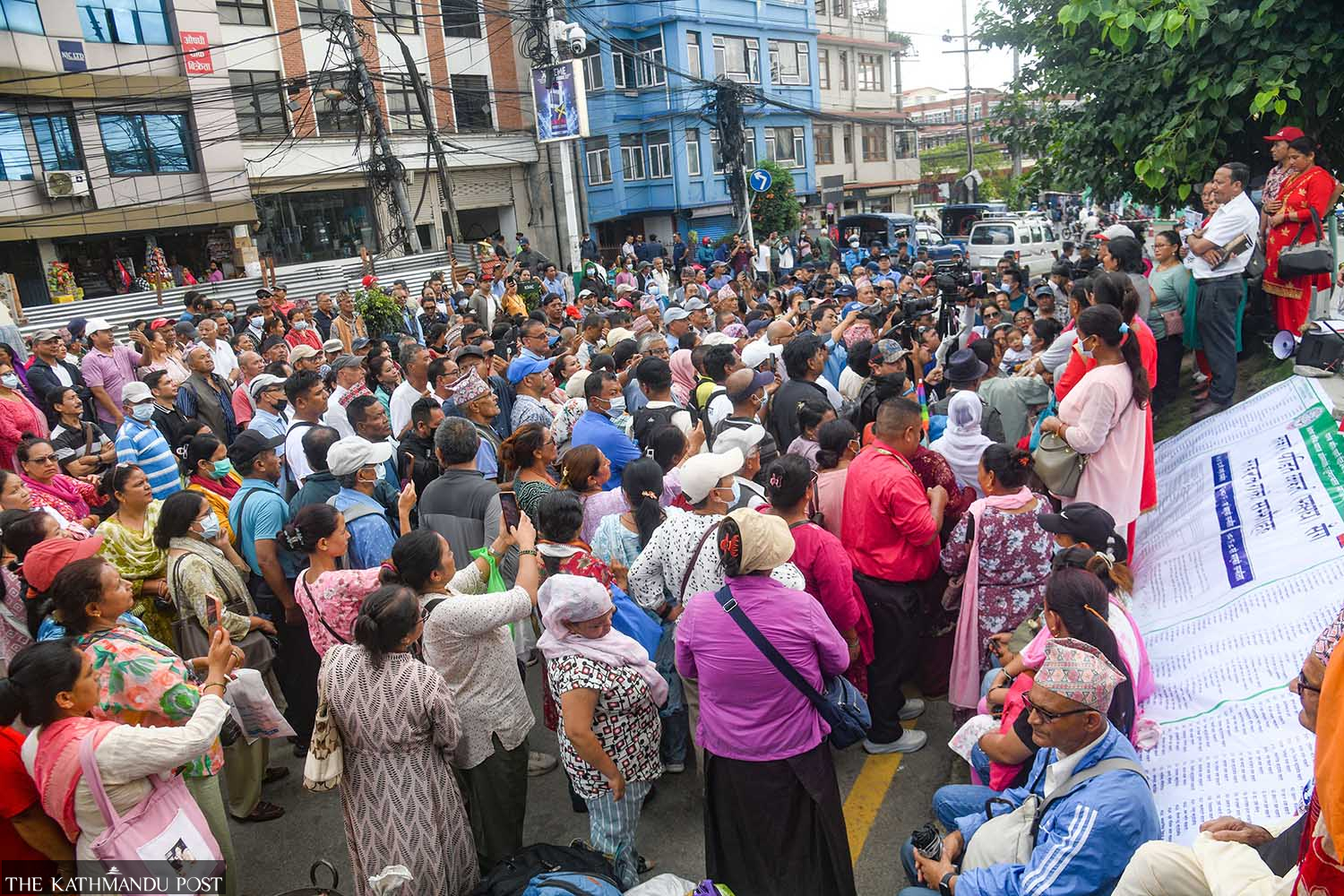
An estimated 500 institutions across Afghanistan have ceased returning deposits to their customers. These cooperatives have not been officially designated as 'problematic,' yet they are failing to refund depositors. This situation has created significant uncertainty for individuals who have placed their money in these financial entities. While depositors in 'troubled' cooperatives may eventually receive their funds back, those with cash in other, unclassified institutes are unsure about their chances of a refund. The scale of the issue suggests a widespread financial strain affecting numerous institutions and a large number of depositors nationwide. The lack of official classification for these non-refunding cooperatives complicates efforts to understand the scope and cause of the liquidity crisis. Many individuals are now facing the prospect of losing their savings due to the inability of these cooperatives to meet their withdrawal obligations. The government's approach to addressing this growing problem remains unclear, leaving many citizens in a precarious financial position.
The widespread cessation of deposit returns by numerous Afghan cooperatives, despite lacking official 'problematic' status, indicates potential systemic issues within the country's financial sector. This situation raises questions about regulatory oversight and the transparency of cooperative financial health. The uncertainty faced by depositors highlights the vulnerability of individuals to liquidity crises, particularly in less regulated financial environments. Future policy interventions could focus on enhancing early warning systems for financial distress, strengthening auditing practices for cooperatives, and establishing clearer protocols for deposit insurance or recovery mechanisms to protect citizens' savings and maintain confidence in the financial system.
AI-generated to prompt reflection — not editorial opinion, not advice, not a statement of fact. How this works.
