Dermatologist Explains How High Cortisol Levels Slow Wound Healing
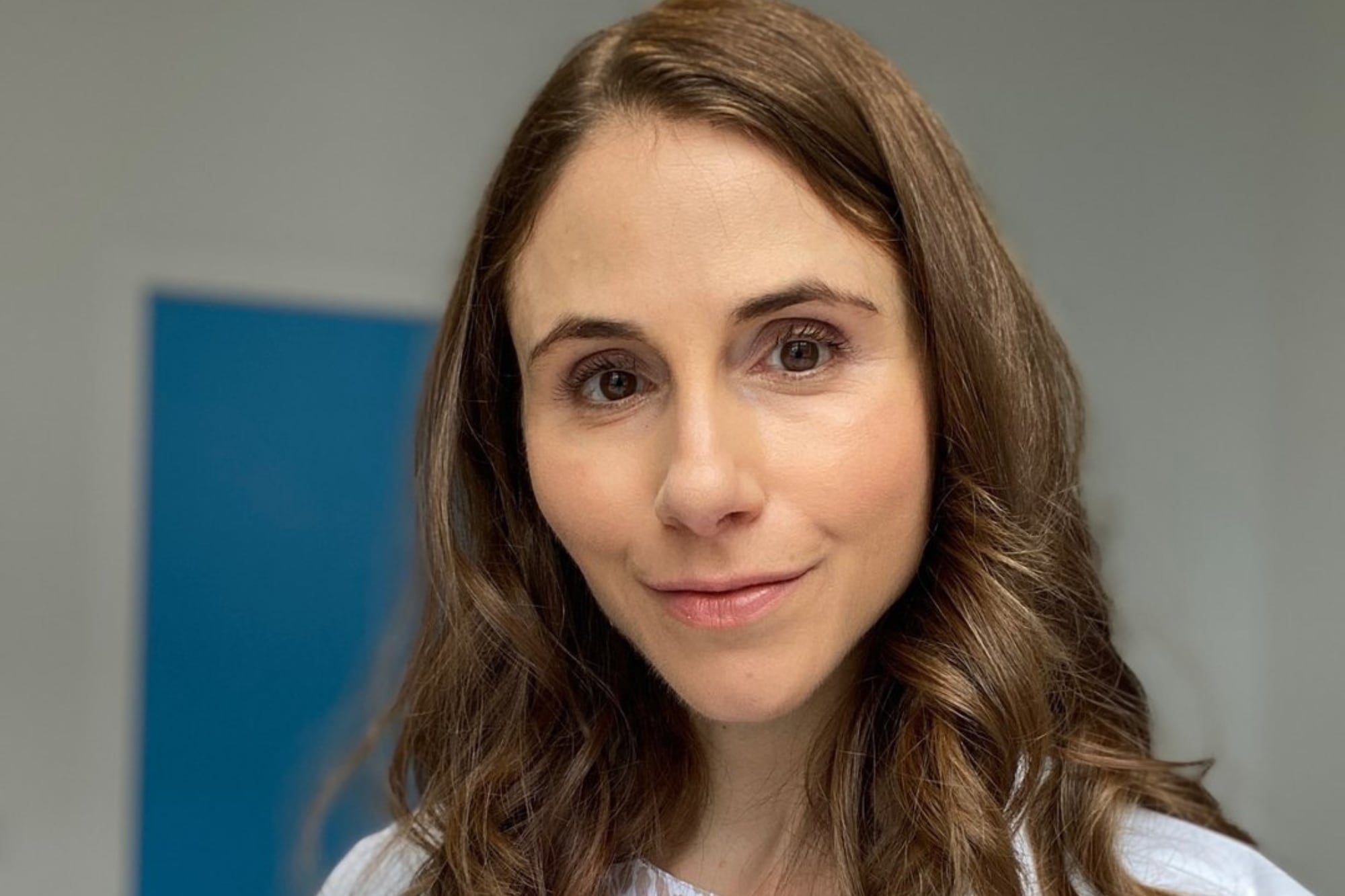
Dermatologist Andrea Suárez has detailed how elevated cortisol levels can significantly impede the body's natural wound healing process. Cortisol, often referred to as the stress hormone, plays a crucial role in the inflammatory response, but prolonged high levels can disrupt the complex cascade of events necessary for tissue repair. Suárez identifies specific cutaneous and capillary signals that indicate when cortisol might be excessively high, suggesting a potential delay in healing. These signals can manifest in various ways on the skin and scalp, serving as visible indicators of internal physiological stress. Understanding these signs is key for individuals experiencing slow-healing wounds or other skin-related issues that may be linked to chronic stress. The dermatologist's insights emphasize the interconnectedness of mental well-being and physical health, particularly in the context of skin and recovery. By recognizing these dermatological markers, medical professionals and patients can better address underlying stress factors contributing to delayed healing. This approach highlights the importance of a holistic view in diagnosing and treating conditions where stress is a significant contributing factor.
This medical insight highlights the physiological impact of chronic stress, mediated by cortisol, on the body's regenerative capabilities. The analysis suggests that elevated cortisol levels, while serving adaptive functions in acute stress, can become detrimental when sustained, disrupting cellular processes essential for tissue repair. This underscores a systemic vulnerability where prolonged psychological stress translates into tangible physical impairment, affecting healing timelines. Future considerations may involve integrating stress management protocols more systematically into wound care and general health strategies, recognizing that mental and physical health are deeply intertwined. The long-term implications point towards a need for proactive health monitoring that accounts for the cumulative effects of stress on bodily functions.
AI-generated to prompt reflection — not editorial opinion, not advice, not a statement of fact. How this works.