Dermatologist Warns of 'Danger Triangle' on Face After Influencer's Infection
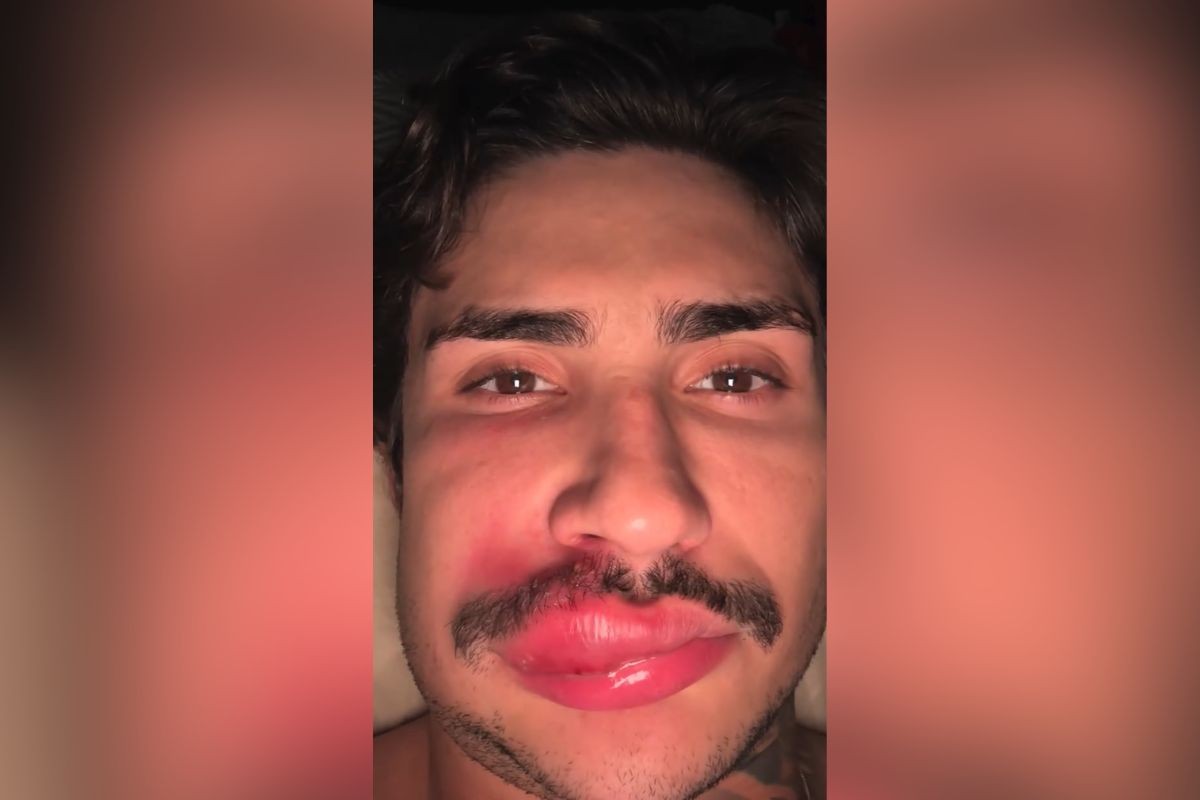
Influencer Willian Silva, known as 'Ken de CG' from Campo Grande, was hospitalized after squeezing a pimple on his upper lip, a situation that has highlighted the risks associated with manipulating facial lesions. Silva shared a video on social media warning his followers about the infection that developed after he picked at the pimple and an inflamed hair. Dermatologist Daniele Cavalcante de Almeida Magnani explained that the area from the eyebrows to the corners of the mouth, including the nose and upper lip, is known as the 'danger triangle' or 'death zone' of the face. This region poses a direct risk of infections reaching the brain due to the unique venous structure. Veins in this zone lack valves and connect to the cavernous sinus within the skull, allowing skin infections to spread to internal structures. The most severe risk is cavernous sinus thrombosis, where an infection can lead to a blood clot that may progress to meningitis, brain abscess, or potentially fatal sepsis. Squeezing pimples can break the skin, creating an entry point for bacteria like Staphylococcus aureus into deeper tissue layers. Beyond infections, manipulating these lesions can also result in permanent scarring, folliculitis, and the formation of new abscesses. Experts advise against touching inflamed lesions, especially in this facial area, and recommend consulting a dermatologist for persistent pain, intense redness, or lesions that do not improve. Immediate medical attention is crucial if symptoms like fever, swelling near the eyes, or severe headaches appear, as these could indicate a widespread infection requiring urgent treatment.
The incident involving the influencer's infection underscores the critical importance of understanding facial anatomy and the potential for localized skin issues to escalate into severe systemic conditions. The 'danger triangle' concept highlights a biological vulnerability, where the interconnectedness of facial vasculature with intracranial sinuses creates a pathway for infection. This serves as a reminder that seemingly minor actions, like picking at blemishes, can have disproportionately serious consequences when interacting with specific physiological structures. In an era of pervasive social media, where personal health narratives are widely shared, such events can serve as potent public health educational moments. However, the underlying risk is systemic, related to the biological architecture of the face, and emphasizes the need for public awareness regarding safe skin care practices and the timely consultation of medical professionals for inflammatory conditions.
AI-generated to prompt reflection — not editorial opinion, not advice, not a statement of fact. How this works.