Deschamps Defends Controversial Rabiot Substitution in France vs. Spain Match
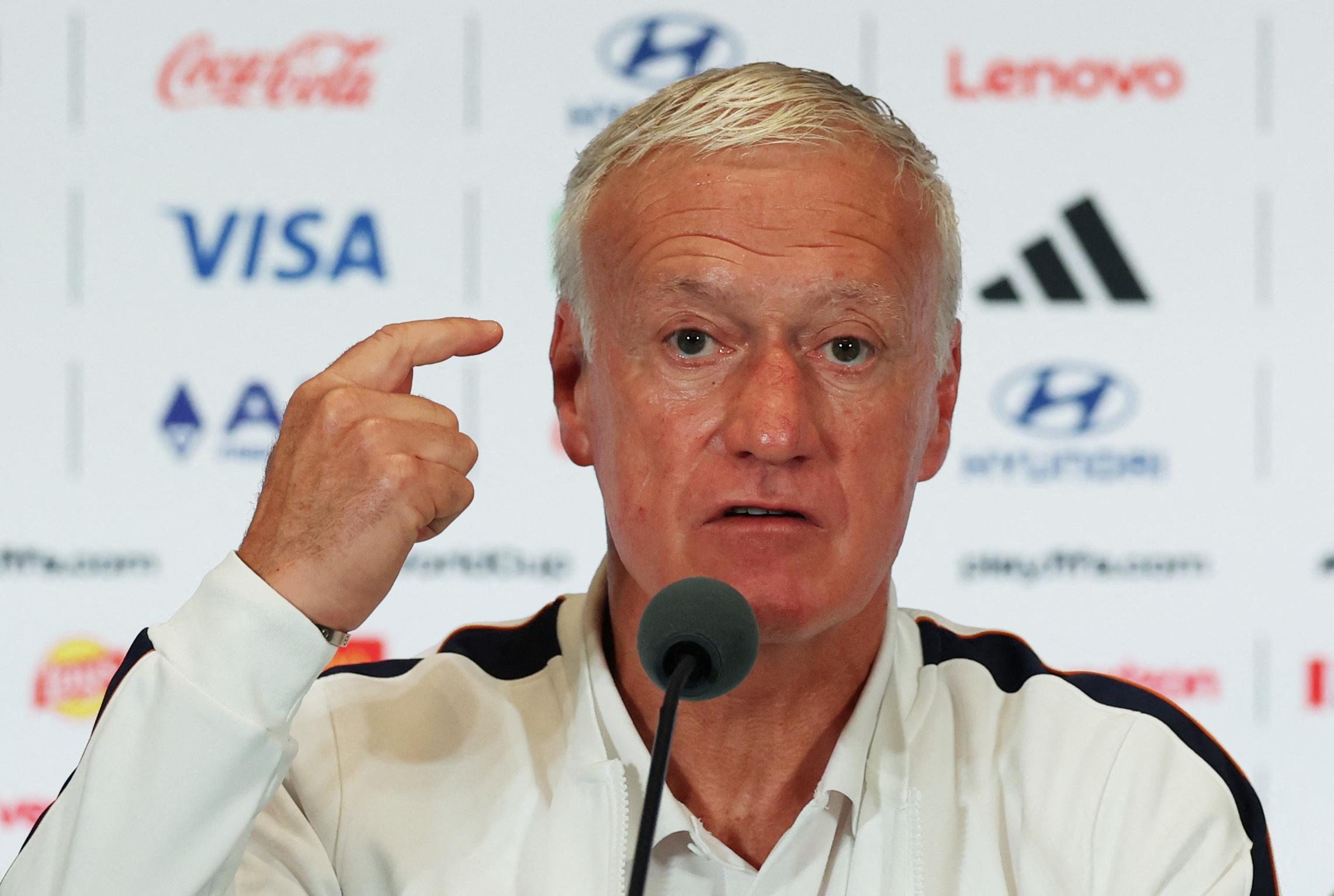
France's national football team coach, Didier Deschamps, has explained his decision to substitute midfielder Adrien Rabiot at halftime during the match against Spain, which France lost 0-2. The game took place in Dallas on Tuesday. Deschamps stated that he could no longer continue with Rabiot playing normally, implying tactical or performance reasons necessitated the change. This decision had drawn criticism, prompting the coach to offer clarification. The match was a significant fixture for the French team, and the substitution became a focal point of post-game discussion. Deschamps' explanation aims to address the concerns raised by fans and media regarding his management of the squad during this crucial game. The coach's comments suggest a complex strategic consideration behind the substitution, rather than a simple player performance issue. He emphasized that his priority remains the team's overall performance and strategic objectives.
Coach Deschamps' explanation for Adrien Rabiot's substitution highlights the inherent tension between individual player assessment and team strategy in high-stakes football matches. The decision, while criticized, likely stems from a coach's prerogative to adapt tactics mid-game based on perceived opponent pressures or team dynamics. This situation underscores the challenges of real-time decision-making under scrutiny, where immediate tactical adjustments can be misinterpreted as reactions to individual failure. Future coaching strategies might benefit from clearer communication protocols regarding such critical in-game decisions to manage external perceptions and maintain team cohesion. The incident also prompts reflection on how performance metrics and tactical flexibility are balanced, particularly as AI-driven analytics increasingly inform coaching decisions, potentially creating new paradigms for player evaluation and substitution protocols.
AI-generated to prompt reflection — not editorial opinion, not advice, not a statement of fact. How this works.