Desert Plant in Death Valley Cools Its Leaves to Survive Extreme Heat
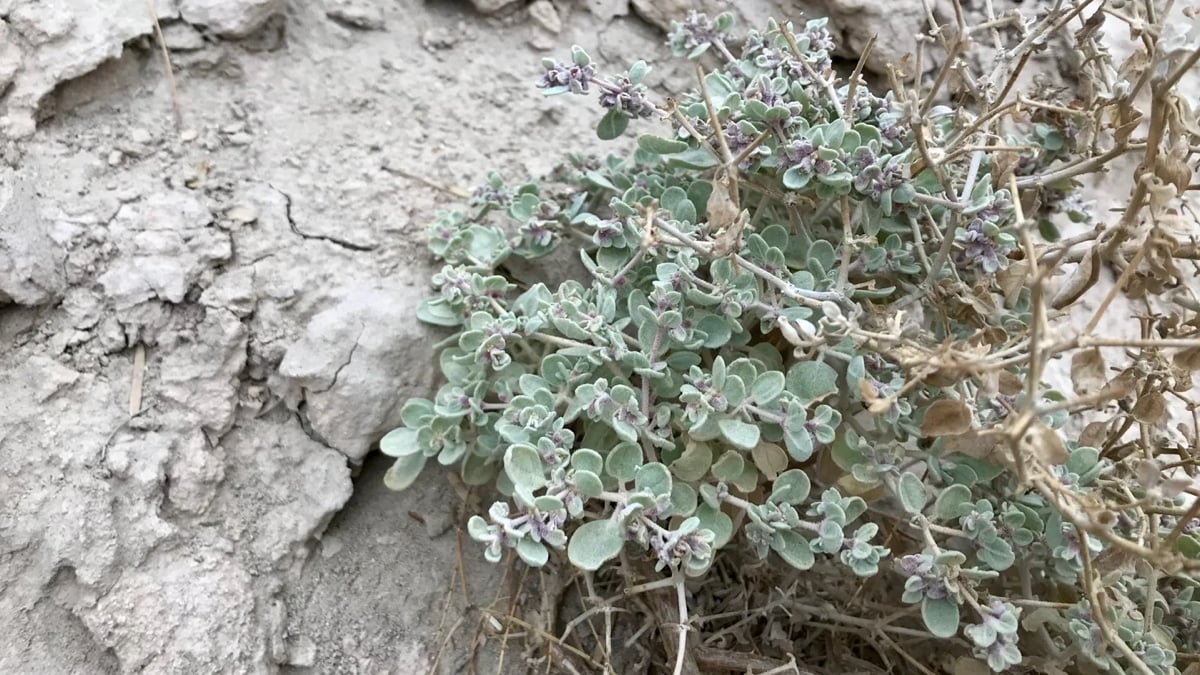
A remarkable desert plant found in Death Valley possesses an extraordinary survival mechanism: it can actively cool its own leaves. This adaptation is crucial for its survival in the extreme temperatures of the desert environment. The plant's ability to regulate its leaf temperature allows it to withstand conditions that would be lethal to most other flora. This natural air-conditioning system highlights the ingenious ways life adapts to challenging climates. Such biological innovations are increasingly relevant as global temperatures rise. Understanding these survival strategies can offer insights into how ecosystems might cope with a warming world. The study of this plant underscores the resilience and adaptability of desert life. This discovery emphasizes the importance of biodiversity and the unique solutions found in nature.
This plant's natural cooling mechanism in Death Valley demonstrates a sophisticated biological response to extreme heat, a trait of increasing significance in the context of global climate change. The plant's ability to self-regulate its temperature offers a compelling case study in adaptation, highlighting evolutionary pressures that favor resilience. Examining such natural systems can provide valuable perspectives on bio-inspired engineering solutions for thermal management in a warming world. The long-term implications of this adaptation may offer insights into ecological strategies for maintaining biodiversity and ecosystem function under escalating environmental stress.
AI-generated to prompt reflection — not editorial opinion, not advice, not a statement of fact. How this works.