Deshi Medical Unveils iMedLoop AI Platform to Foster Medical Imaging Ecosystem
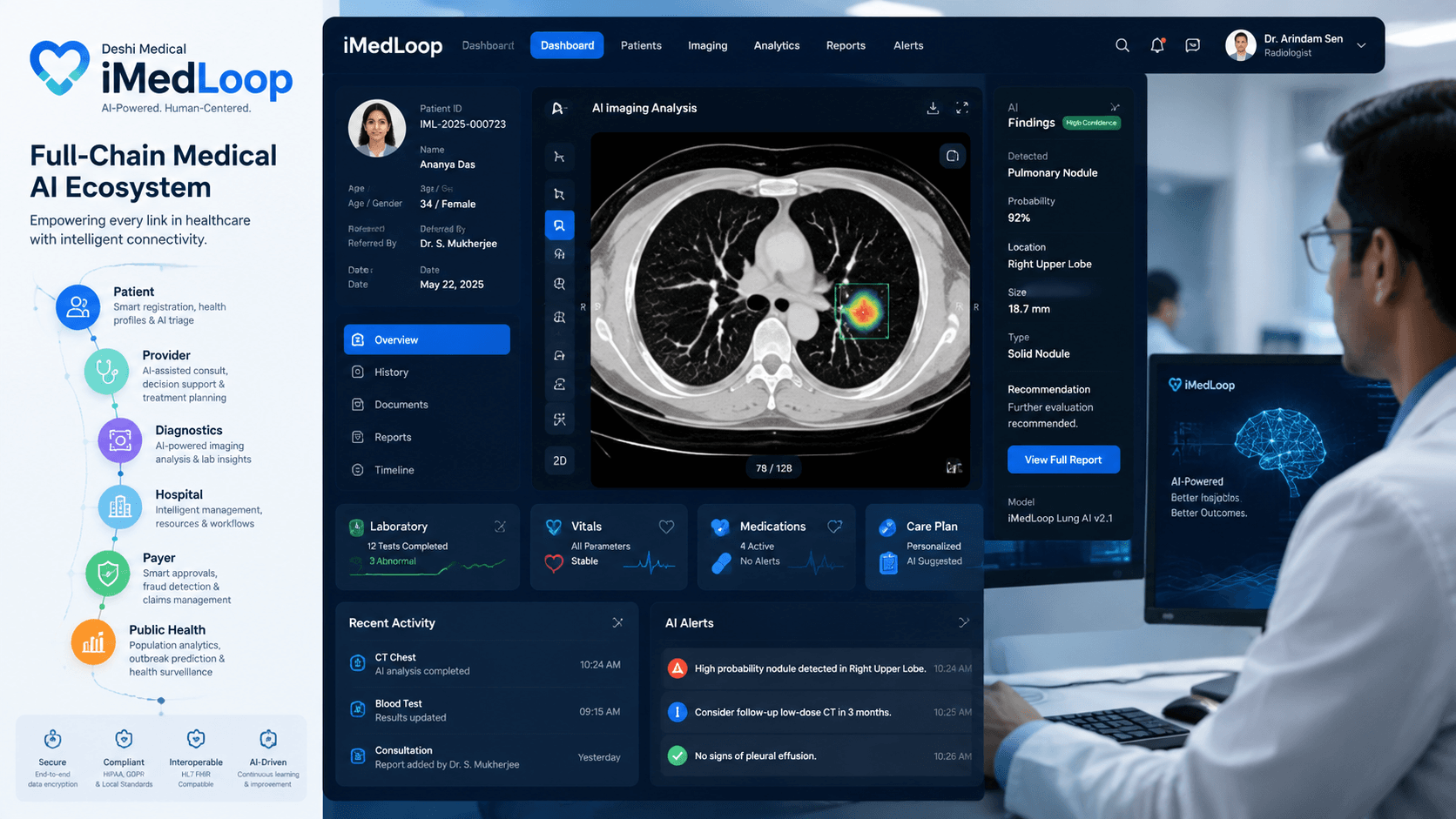
Hangzhou-based Deshi Medical has launched its iMedLoop Global Medical Imaging Data Platform, aiming to establish a comprehensive medical AI ecosystem. The announcement was made during the "Medical AI Ecosystem Innovation Symposium and iMedLoop Global Medical Imaging Data Platform Launch" event held on July 4th at the Diaoyutai State Guesthouse. This initiative signifies Deshi Medical's strategic move to integrate various aspects of medical AI, from data management to application development. The iMedLoop platform is designed to facilitate the collection, storage, and analysis of medical imaging data on a global scale. By creating a robust data infrastructure, the company intends to accelerate research and development in medical artificial intelligence. This platform is expected to support a wide range of applications, including diagnostic assistance, treatment planning, and drug discovery. Deshi Medical's vision is to build a connected and intelligent healthcare environment through the power of AI. The company believes that by centralizing and standardizing medical imaging data, they can unlock new insights and improve patient outcomes worldwide. The launch of iMedLoop represents a significant step towards realizing this ambitious goal.
The introduction of the iMedLoop platform by Deshi Medical represents a strategic effort to consolidate medical imaging data, a critical component for advancing AI in healthcare. By focusing on a 'full-chain' ecosystem, the company aims to streamline data accessibility and utilization, potentially accelerating AI-driven diagnostic and therapeutic innovations. Such platforms are crucial for addressing the data fragmentation that often hinders AI development. However, the success of iMedLoop will depend on its ability to ensure data privacy, security, and interoperability across diverse healthcare systems globally. Navigating complex international data regulations and fostering trust among medical professionals and institutions will be key challenges. The long-term impact hinges on whether this centralized approach can truly democratize access to advanced AI tools or inadvertently create new dependencies within the evolving digital health landscape.
AI-generated to prompt reflection — not editorial opinion, not advice, not a statement of fact. How this works.