Designer Babies: New Findings Emerge on Gene Editing to Prevent Hereditary Diseases
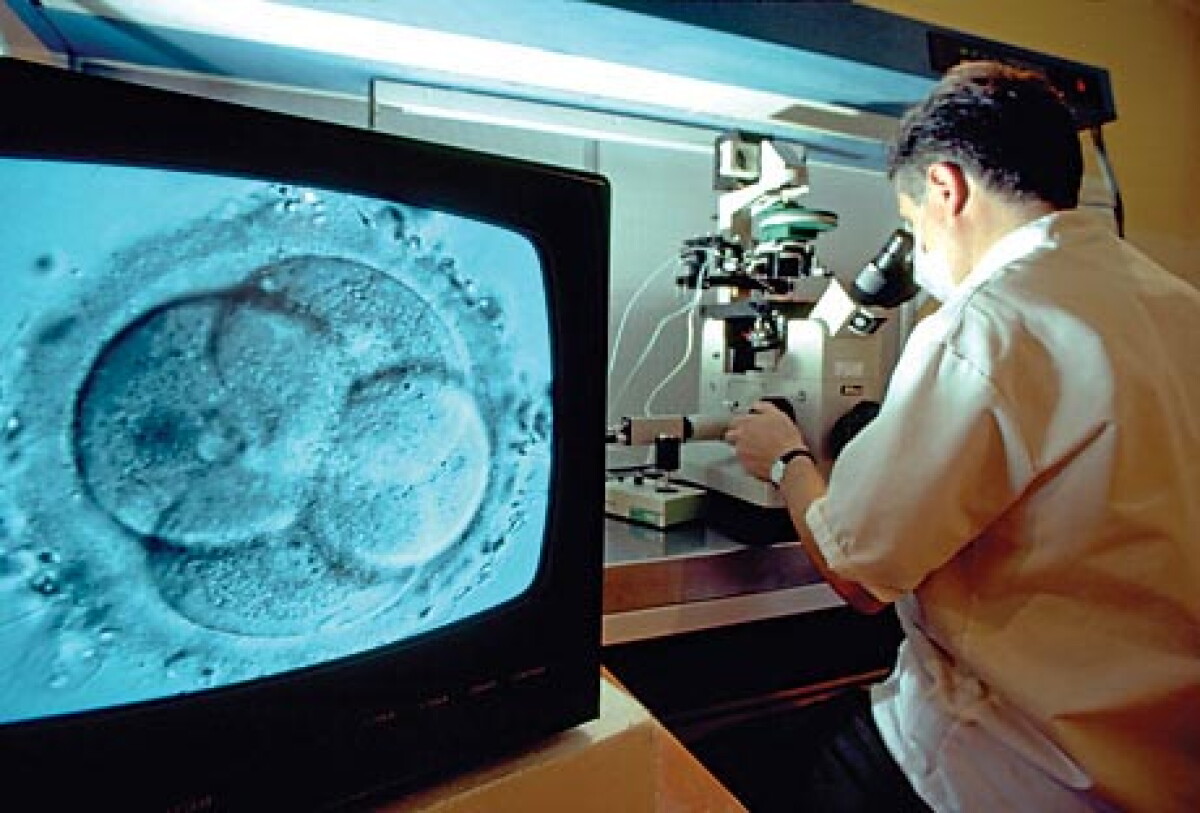
Scientific advancements in gene editing for the prevention of hereditary diseases are progressing, leading to the development of what are colloquially termed 'designer babies.' However, these breakthroughs are accompanied by significant unresolved risks and ongoing debates surrounding the professional ethics of intervening in human embryos. The potential to eliminate genetic disorders is a powerful motivator, but the long-term consequences and the ethical implications of altering the human germline remain subjects of intense scrutiny. Scientists are exploring various techniques to precisely modify DNA, aiming to correct mutations that cause debilitating inherited conditions. Despite the promise of eradicating diseases like cystic fibrosis or Huntington's disease, the scientific community and ethicists are urging caution. Concerns include the possibility of off-target edits, unintended consequences for future generations, and the potential for exacerbating social inequalities if such technologies are not made universally accessible. The discussion highlights a critical juncture where profound medical potential meets complex moral and societal challenges.
The development of gene editing technologies for hereditary disease prevention presents a complex interplay of scientific ambition and ethical responsibility. While the potential to alleviate human suffering from genetic disorders is immense, the intervention in human embryos raises profound questions about germline modification and its long-term impact on the human gene pool. Navigating this frontier requires a robust framework that balances therapeutic innovation with rigorous safety protocols and broad societal consensus on ethical boundaries. Future advancements will likely hinge on addressing these multifaceted challenges, ensuring equitable access, and understanding the systemic implications of altering fundamental biological processes for generations to come.
AI-generated to prompt reflection — not editorial opinion, not advice, not a statement of fact. How this works.