Designer Shinya Kozuka's Nostalgic Future: A Look at Misuchiru and Honancho
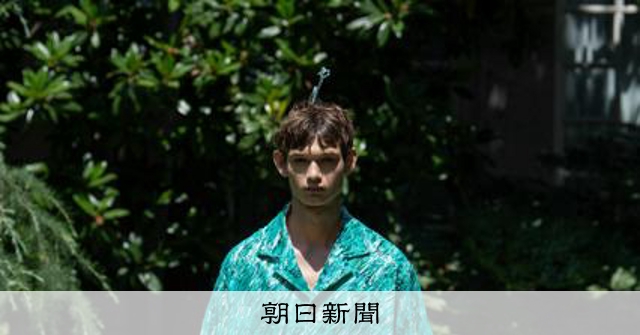
This article explores the work of designer Shinya Kozuka, focusing on his artistic interpretations of "Misuchiru" and "Honancho." Kozuka's designs are characterized by a "nostalgic future" aesthetic, blending elements of the past with forward-looking concepts. The piece delves into how these themes are represented in his creations, offering a unique perspective on memory, time, and design. Kozuka's approach invites viewers to reflect on their own experiences and the evolution of their surroundings. The article highlights the emotional resonance of his work, which often evokes a sense of familiarity and longing for a bygone era while simultaneously presenting innovative ideas. Through his art, Kozuka bridges the gap between personal history and collective imagination, creating a dialogue about the future shaped by our past.
The artistic exploration of "nostalgic future" by designer Shinya Kozuka invites contemplation on how cultural touchstones and urban landscapes evolve over time. By juxtaposing familiar elements like "Misuchiru" and "Honancho" with futuristic visions, Kozuka's work prompts reflection on collective memory and the subjective experience of progress. This approach can be analyzed through the lens of cultural semiotics, examining how symbols and places acquire new meanings as society advances. The "nostalgic future" theme highlights a potential societal tension between embracing innovation and preserving heritage, a dynamic that will likely shape urban planning, design, and cultural production in the coming decade. Understanding these aesthetic and conceptual frameworks is crucial for navigating the complexities of identity and belonging in an increasingly digitized and rapidly changing world.
AI-generated to prompt reflection — not editorial opinion, not advice, not a statement of fact. How this works.