Desirable Cities Burden New Businesses, Young Workers, and Newcomers
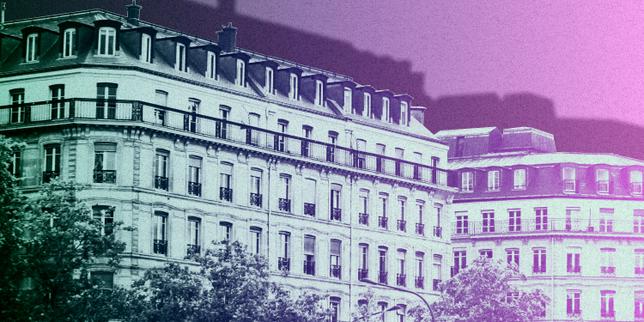
Entrepreneur Sami Mahroum argues in an opinion piece for Le Monde that desirable European cities are inadvertently creating significant costs for new businesses, young workers, and recent arrivals. Mahroum contends that these cities are prioritizing aesthetic improvements and beautification over essential construction and innovation. This focus, he believes, leads to rapidly escalating rental costs. While this benefits property owners through increased wealth, it simultaneously results in the exclusion of many individuals and enterprises from these sought-after urban centers. The trend suggests a growing challenge for urban areas aiming to balance desirability with accessibility and economic opportunity for all residents.
The dynamic described highlights a common tension in urban development: the pursuit of 'livability' and aesthetic appeal can create economic barriers. As cities invest in beautification and amenities, property values and rents tend to rise. This can attract capital and benefit existing property owners, but it may also price out new businesses, young professionals, and lower-income residents who are crucial for economic dynamism and diversity. This presents a governance challenge, as city planners must balance the desire for attractive urban environments with the need for economic inclusivity and affordability. Future urban strategies may need to incorporate more robust mechanisms to ensure that increased desirability does not lead to systemic exclusion, potentially through innovative housing policies or targeted business support.
AI-generated to prompt reflection — not editorial opinion, not advice, not a statement of fact. How this works.
