Despite Millions Spent, Level Crossing Deaths Continue; Automation Offers New Hope
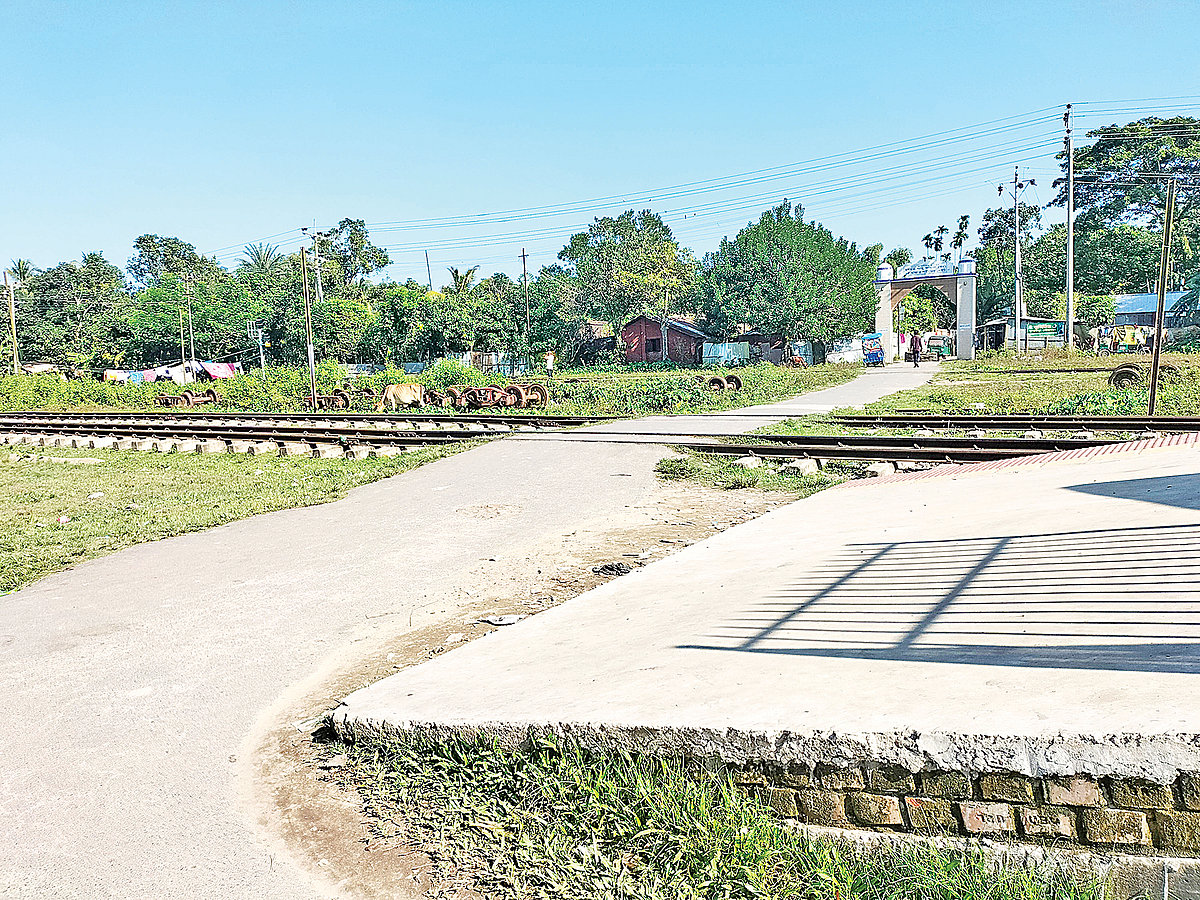
Despite significant investment of millions of Taka, safety measures at railway level crossings have failed to prevent fatalities. While some crossings have been equipped with machinery, barriers, and gatekeepers using project funds, lives continue to be lost. The authorities are now looking towards automated systems as a potential solution to enhance safety and eliminate the need for manual gatekeepers. This shift in strategy aims to address the persistent dangers at these crossings, which have remained a concern despite previous efforts. The ongoing challenges highlight the complexities of ensuring safety on railway networks and the need for innovative approaches. The hope is that automation will provide a more reliable and effective means of preventing accidents and protecting lives.
The persistent fatalities at railway level crossings, even after substantial financial investment in traditional safety measures like barriers and gatekeepers, suggest a systemic issue beyond mere infrastructure. The reliance on manual oversight appears insufficient to counter the inherent risks. The proposed shift towards automation indicates a recognition of these limitations and a potential move towards more robust, less human-dependent safety protocols. This transition, however, will require careful consideration of technological reliability, maintenance, and the potential for unforeseen failure modes. The long-term effectiveness will depend on integrating these automated systems seamlessly into existing railway operations and ensuring they are resilient against environmental factors and human error. The goal should be to create a self-regulating safety environment that minimizes the possibility of accidents, thereby reducing the tragic loss of life.
AI-generated to prompt reflection — not editorial opinion, not advice, not a statement of fact. How this works.