Destructive Impact of Smuggling on Fair Competition and Public Health
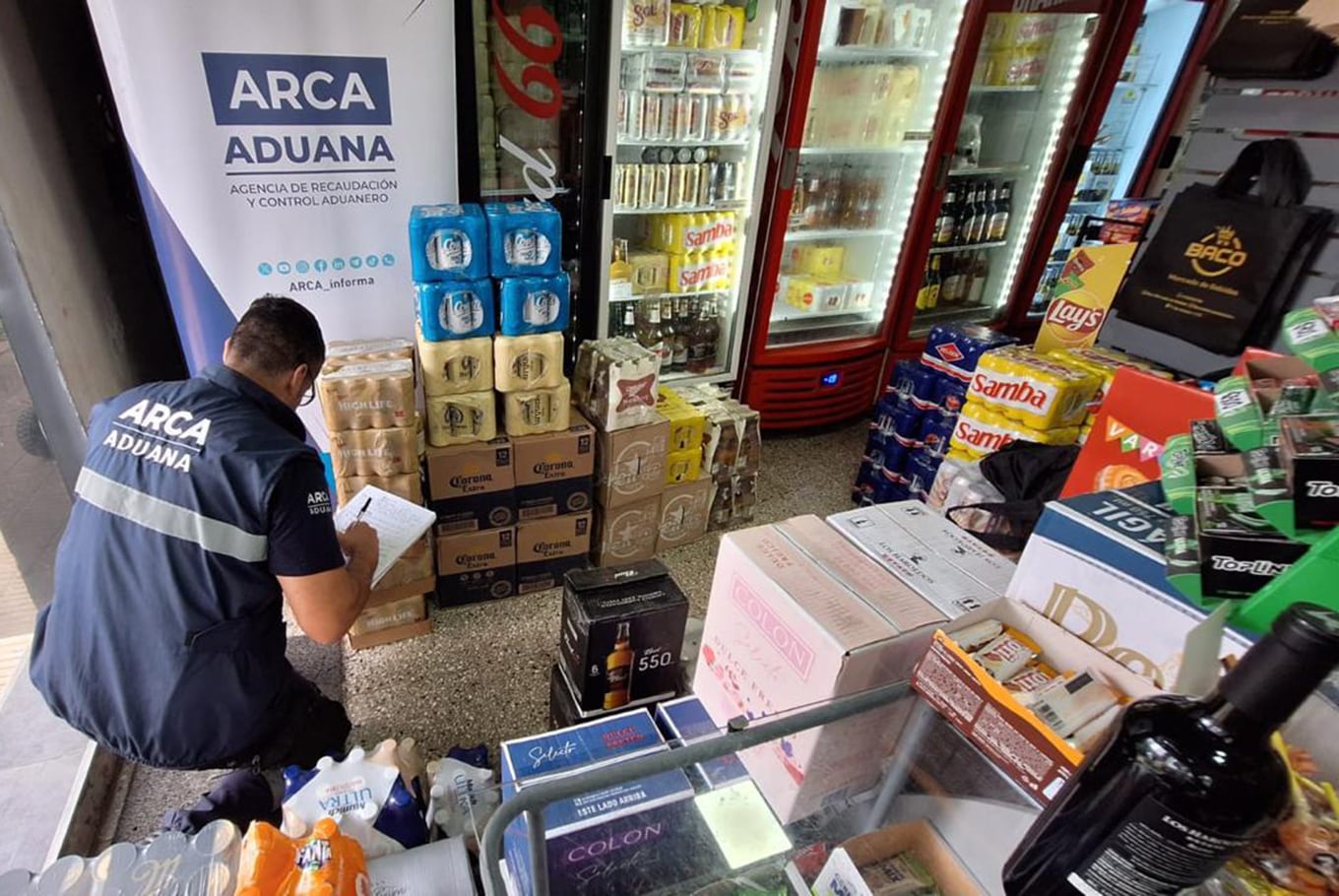
There is an urgent call for competition to adhere strictly to legal frameworks, ensuring equal operating conditions for all businesses. This is crucial for preserving employment opportunities and, most importantly, for safeguarding the health of the population. The destructive force of smuggling undermines these principles by creating an uneven playing field. Illicit trade bypasses regulations, taxes, and quality controls that legitimate businesses must follow. This not only distorts the market but also poses significant risks to consumers who may be exposed to unsafe or substandard products. The call emphasizes the need for robust enforcement of laws to combat smuggling and promote a fair and safe economic environment.
The illicit trade of smuggled goods creates significant market distortions by circumventing legal requirements, including taxation, quality assurance, and labor standards. This practice directly challenges the principles of fair competition and can lead to job losses in legitimate sectors. Furthermore, the absence of regulatory oversight on smuggled products poses a direct threat to public health and safety. Addressing this issue requires a multi-faceted approach involving enhanced law enforcement, international cooperation, and public awareness campaigns to highlight the systemic risks associated with illegal trade. Future strategies should focus on strengthening supply chain integrity and leveraging technology to detect and intercept illicit goods, thereby protecting both economic stability and consumer well-being.
AI-generated to prompt reflection — not editorial opinion, not advice, not a statement of fact. How this works.