Details Revealed About Motorcycles Used for Emergency Medical Services
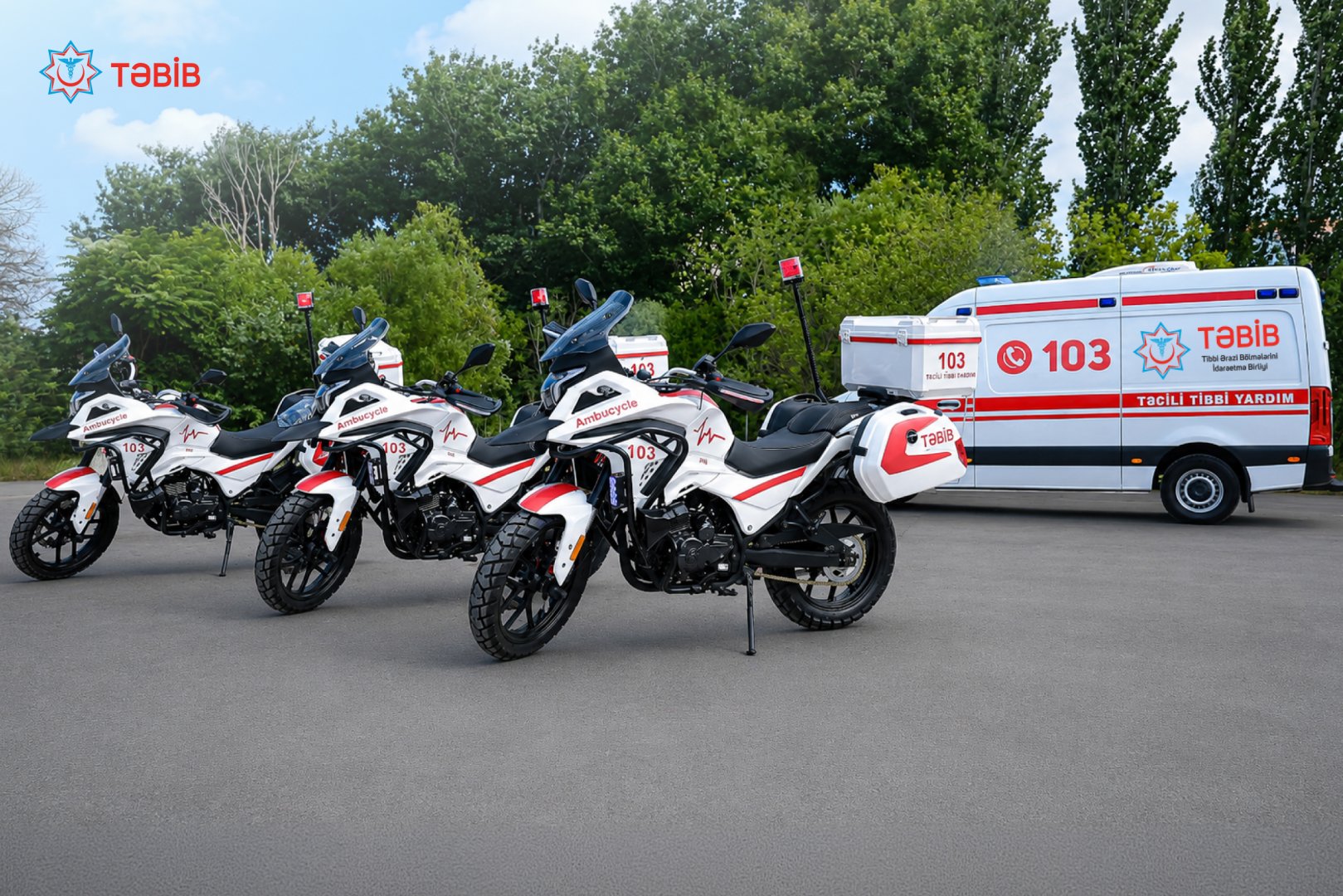
Information has been released concerning motorcycles that are being utilized for emergency medical services. These vehicles are integrated into the system to enhance the speed and efficiency of medical response. The specific details likely pertain to their operational deployment, equipment carried, and the training of personnel operating them. This initiative aims to improve patient outcomes by reducing response times in critical situations. The announcement suggests a strategic effort to modernize and expand the reach of emergency medical care. Further clarification on the number of motorcycles involved and their geographical distribution is anticipated. The integration of motorcycles is a common strategy in urban environments where traffic congestion can impede traditional ambulances. This development signifies a commitment to adapting emergency services to meet the evolving needs of the population. The specifics shared are expected to provide a clearer picture of how these motorcycles contribute to the overall emergency medical infrastructure.
The deployment of motorcycles for emergency medical services represents a pragmatic adaptation to urban mobility challenges. By leveraging smaller, more agile vehicles, response times can potentially be reduced in congested areas, thereby improving the chances of timely intervention for critical patients. This approach highlights a systemic effort to optimize resource allocation within healthcare infrastructure, focusing on efficiency and accessibility. The effectiveness of this strategy will depend on factors such as rider training, equipment standardization, and seamless integration with existing ambulance networks. Looking ahead, such innovations are indicative of a broader trend towards flexible and responsive emergency systems, anticipating the demands of increasingly dense urban populations and the need for rapid medical assistance in diverse environments.
AI-generated to prompt reflection — not editorial opinion, not advice, not a statement of fact. How this works.