Detran RN Warns of Sophisticated Phishing Scam Targeting Drivers with Fake CNH and Fine Notices
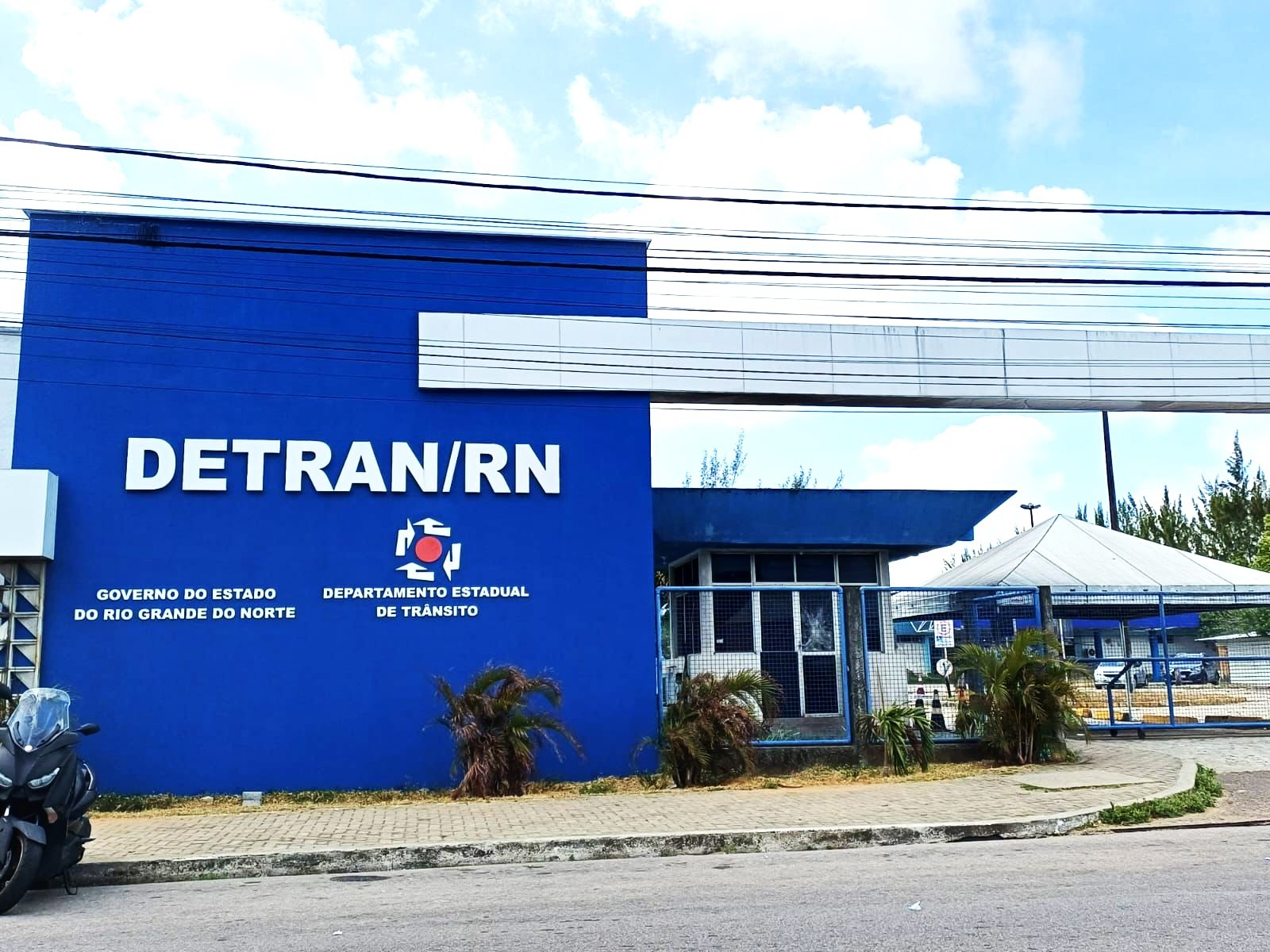
The State Department of Traffic (Detran/RN) in Rio Grande do Norte has issued a warning about an escalating phishing scam targeting drivers. Criminals are sending deceptive emails impersonating official communications to inform recipients of non-existent fines, CNH (driver's license) suspension processes, and debt collections. These fraudulent messages are designed to trick victims into clicking malicious links, revealing personal and banking information, or making payments to the scammers' accounts. The emails often feature alarming subject lines such as "Active Suspension," "Serious Infraction Detected," "Regularize Your CNH," and "Deadline to Avoid License Suspension." They falsely claim the driver is involved in an administrative process or has pending infractions, threatening penalties like license suspension, vehicle seizure, and inability to renew their license. A button or link is typically provided for supposed situation resolution. Detran/RN emphasizes that it never sends payment slips, demands, or notifications for debts via email. Citizens are strongly advised not to click on links or download attachments from such messages, nor to share personal data, documents, passwords, or banking details. All inquiries regarding CNH status, fines, licensing, vehicle debts, and payment slip issuance should be exclusively conducted through the official Detran/RN Portal de Serviços. The department also urges verification of the accreditation of any third-party service providers, such as driving schools or plate manufacturers. Payments for fees, fines, and other services must only be made using official payment guides obtained through Detran's authorized channels, with options for bank slips or Pix.
This phishing operation exploits the inherent anxiety drivers feel about their licenses and potential fines, leveraging official-sounding language and visual mimicry to create a sense of urgency. The scam's effectiveness relies on the public's potential unfamiliarity with official communication protocols and the convenience of digital transactions. Future cybersecurity strategies should focus on enhancing public digital literacy regarding phishing tactics and reinforcing the security and accessibility of official government portals for all necessary transactions. Promoting multi-factor authentication for all government-related services, even for routine inquiries, could further mitigate risks by adding layers of verification beyond simple email or link interactions.
AI-generated to prompt reflection — not editorial opinion, not advice, not a statement of fact. How this works.