Devastating Rains in Coquimbo Highlight Chile's Fiscal Challenges
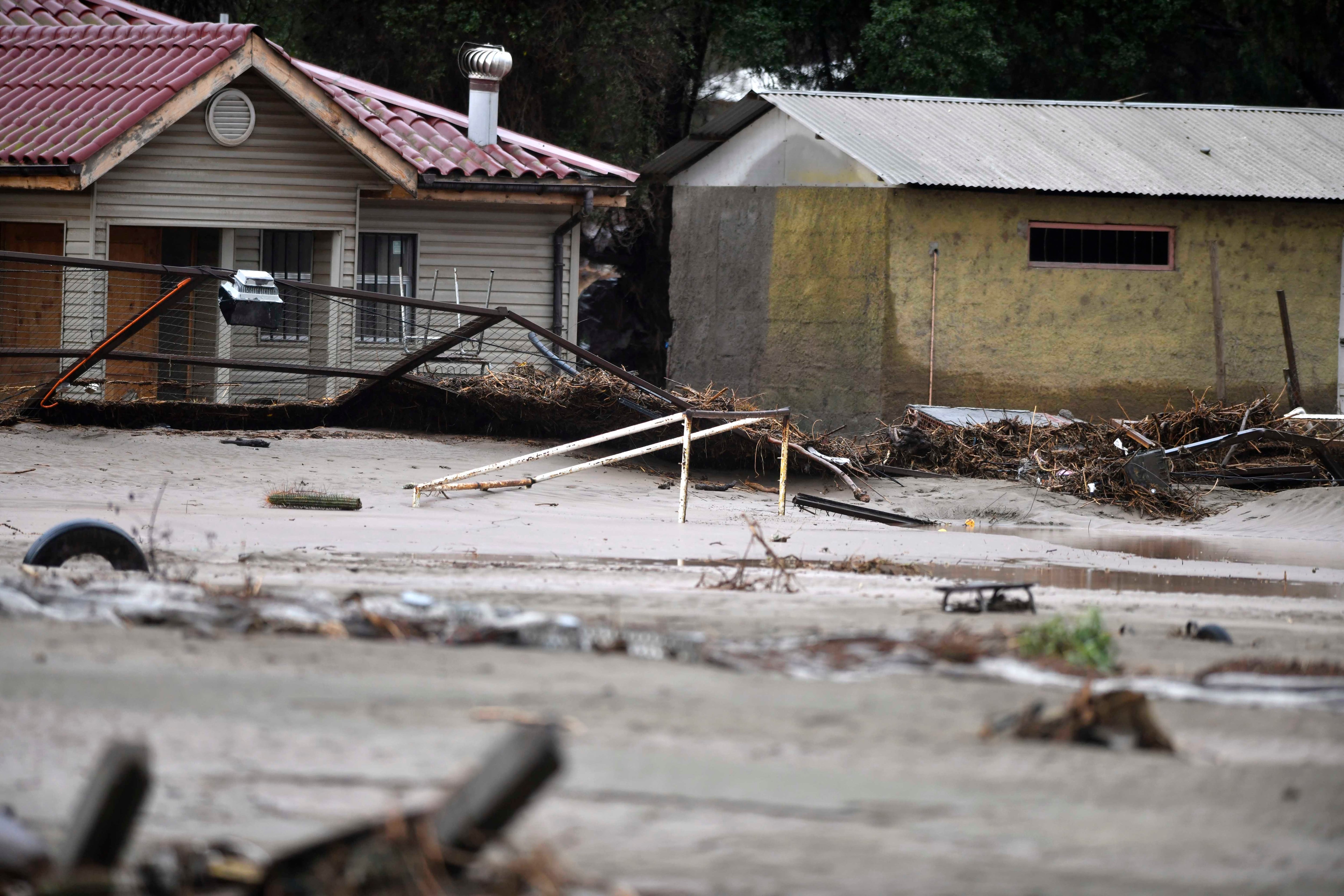
Recent heavy rains have caused devastating effects in Chile's Coquimbo Region, particularly impacting La Serena, the author's hometown. These natural disasters starkly illustrate society's dependence on its members and material conditions, intensifying the pain of resource scarcity. Following the catastrophe, the arduous task of reconstructing housing, roads, bridges, and essential infrastructure will commence. This period will inevitably clash a voluntarist mindset with harsh fiscal realities.
Some will expect the state to possess unlimited resources, capable of unrestrained spending and risk-free debt, believing tax increases on the wealthy are a simple solution. Critics may label any adherence to material limitations as brutal insensitivity and economism. The article argues that years of slow economic growth (2%), depleted emergency funds, and poor administration have created a severe financial reckoning. Ironically, those responsible for policies that led to economic stagnation and reckless spending are now poised to criticize current authorities for facing the tragedy with limited resources.
The author criticizes the perception that authorities are insensitive for lacking funds, asserting that true insensitivity lies with those who previously hindered the country with flawed reforms and squandered accumulated wealth. This situation is likened to the fable of the ant and the cicada, where some societies prepare for hardship while others indulge in excess during good times, only to face severe consequences during crises. Such societies, often influenced by populism, are described as perpetually struggling, experiencing a "raining on the wet" phenomenon.
The article critiques the fiscal management and policy decisions preceding a natural disaster in Chile, suggesting that a history of populist spending and economic stagnation has left the nation ill-equipped to handle the reconstruction. It frames the challenge as a conflict between public expectations of state intervention and the material constraints imposed by prior fiscal policies. The analysis highlights the systemic contradiction between short-term political incentives, such as populist spending, and the long-term necessity of fiscal prudence for resilience against future shocks, including climate-related events. The narrative prompts reflection on governance models that prioritize immediate gratification over sustainable resource management, particularly in the context of an evolving global economy and increasing environmental uncertainties.
AI-generated to prompt reflection — not editorial opinion, not advice, not a statement of fact. How this works.