Developing Nations Excluded from Global AI Discussions, Urging Inclusion
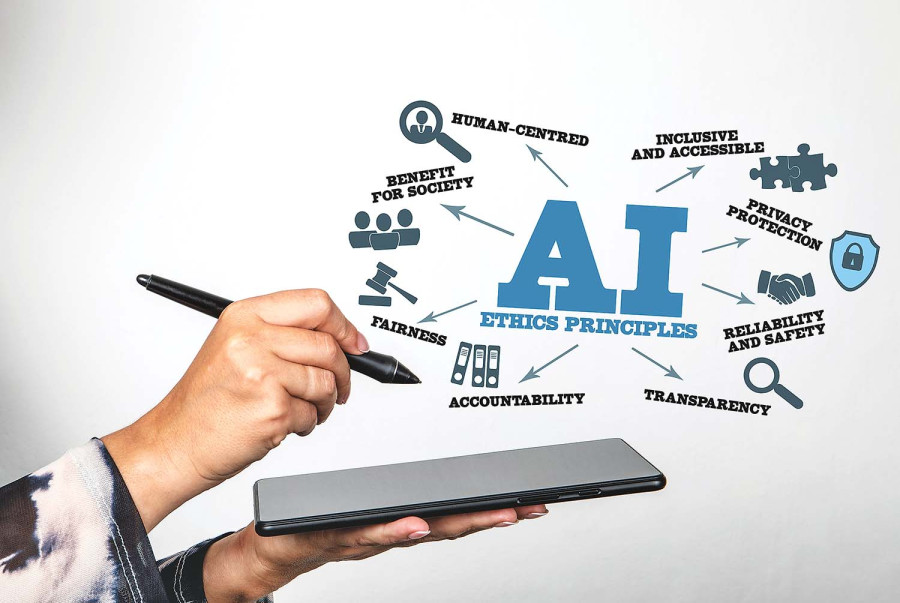
Global discussions surrounding artificial intelligence are failing to adequately include the perspectives of developing nations, spanning from Geneva to Kathmandu. This exclusion is a significant oversight, as these countries represent a substantial portion of the world's population and have unique needs and potential contributions to the AI landscape. The current trajectory of AI development and governance risks exacerbating existing global inequalities if the voices of the Majority World are not actively sought and integrated. It is imperative that international forums and decision-making bodies make a concerted effort to ensure representation from these nations. This includes providing platforms for their experts, policymakers, and citizens to share their insights and concerns. Failing to do so could lead to AI technologies that do not serve the diverse needs of humanity, potentially creating new divides and hindering equitable progress. The time to rectify this imbalance and foster a more inclusive global AI ecosystem is now.
AI's rapid advancement presents a critical juncture for global equity. The current concentration of AI development and discourse within a few dominant nations risks creating a technological and economic chasm, potentially marginalizing the Majority World. Ensuring equitable participation in AI governance and development is not merely a matter of fairness but a strategic imperative for fostering innovation that benefits all of humanity. Future AI ecosystems must proactively address the digital divide, promoting knowledge sharing and capacity building in developing nations. This inclusive approach is essential to harness the full potential of AI for global prosperity and to mitigate the risk of it becoming another tool for exacerbating existing disparities.
AI-generated to prompt reflection — not editorial opinion, not advice, not a statement of fact. How this works.
