Developing Nations Prioritize Debt Repayment Over Education, UN Report Finds
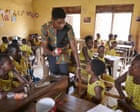
A new report from UNESCO, the UN's culture and education agency, reveals a concerning trend in developing countries: more funds are being allocated to servicing foreign debt than to education. This situation was observed in 113 developing nations during the year 2025. The disparity is particularly stark in sub-Saharan Africa, where countries spent 3.6 times more on debt repayment compared to their education budgets. This comes at a critical juncture as global aid to education is projected to decrease by as much as 30%. The findings indicate that children's educational needs are being significantly compromised due to these financial priorities. The report highlights that 18 countries are spending up to five times more on loan servicing than on their education sectors. This diversion of resources raises serious questions about long-term human capital development and societal progress in these nations.
The UNESCO report highlights a critical systemic contradiction: nations are prioritizing immediate debt obligations over long-term investments in human capital through education. This dynamic, exacerbated by declining global aid, suggests a potential feedback loop where underfunded education systems hinder economic growth, making future debt repayment even more challenging. From a governance perspective, the allocation of resources warrants scrutiny, as it may reflect short-term fiscal pressures overriding sustainable development strategies. Looking ahead, this trend could impede progress towards educational equity and economic resilience, particularly in the context of an increasingly knowledge-based global economy. Policymakers face the challenge of rebalancing fiscal priorities to ensure that essential public services like education are not perpetually sidelined by debt servicing.
AI-generated to prompt reflection — not editorial opinion, not advice, not a statement of fact. How this works.