Development Needs Environmental Balance for Sustainability, Minister Says
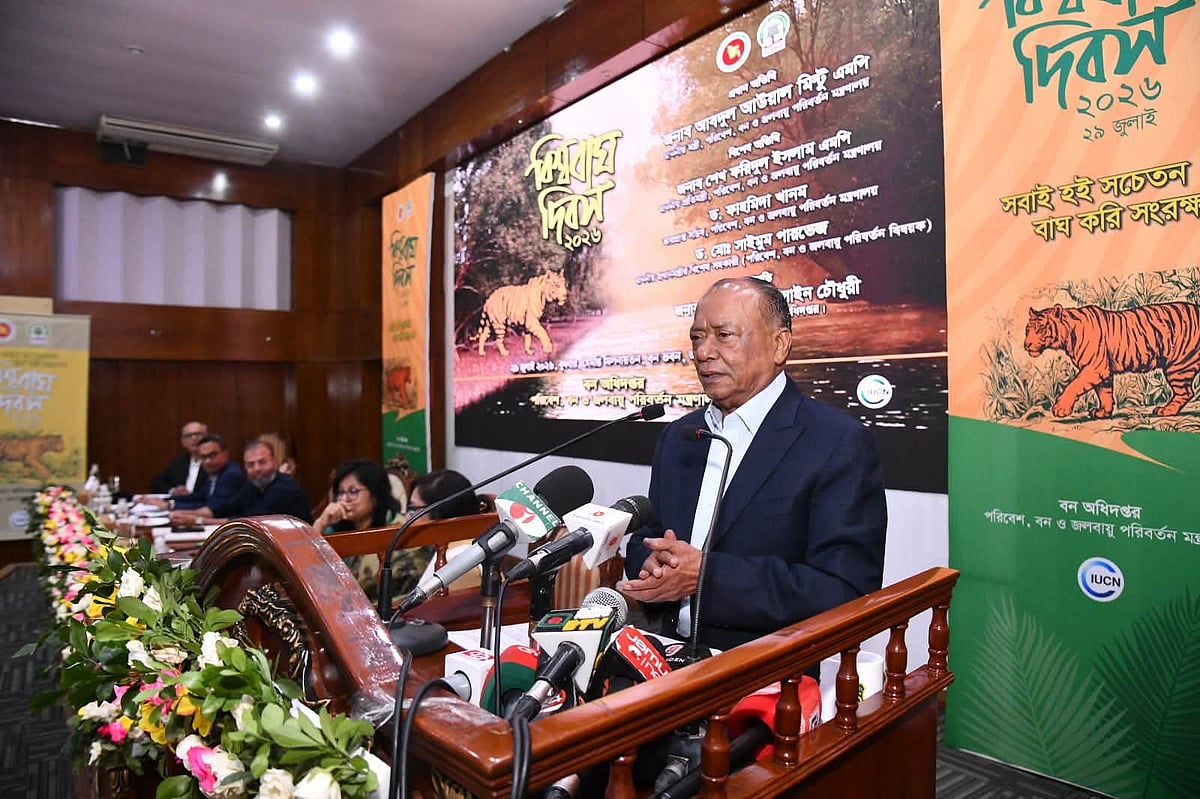
A minister has stated that development cannot be sustainable without harmonizing with the environment and biodiversity. He emphasized that coexistence with nature and wildlife requires a very cautious approach. The minister's remarks highlight the interconnectedness of ecological health and long-term progress. He suggested that any development initiatives must carefully consider their impact on natural resources and species. Without this careful consideration, the benefits of development may be short-lived or come at an unacceptable environmental cost. The core message is that environmental preservation is not an obstacle to development but a prerequisite for its lasting success. Therefore, a balanced strategy is crucial for achieving genuine sustainability.
The minister's statement underscores a fundamental tension in development paradigms: the pursuit of economic growth versus ecological preservation. Historically, many development models have prioritized resource extraction and industrialization, often leading to environmental degradation. This perspective suggests a shift towards recognizing that environmental capital is a critical component of long-term economic viability, not an externality to be managed after growth is achieved. The challenge lies in designing governance frameworks and economic incentives that align development goals with biodiversity conservation, ensuring that the costs of environmental damage are factored into decision-making processes. Future development strategies will likely need to integrate ecological considerations from the outset, fostering innovation in sustainable technologies and circular economy principles to navigate this complex trade-off.
AI-generated to prompt reflection — not editorial opinion, not advice, not a statement of fact. How this works.