DF Administrative Center: Decades-long legal battle over unfinished complex continues
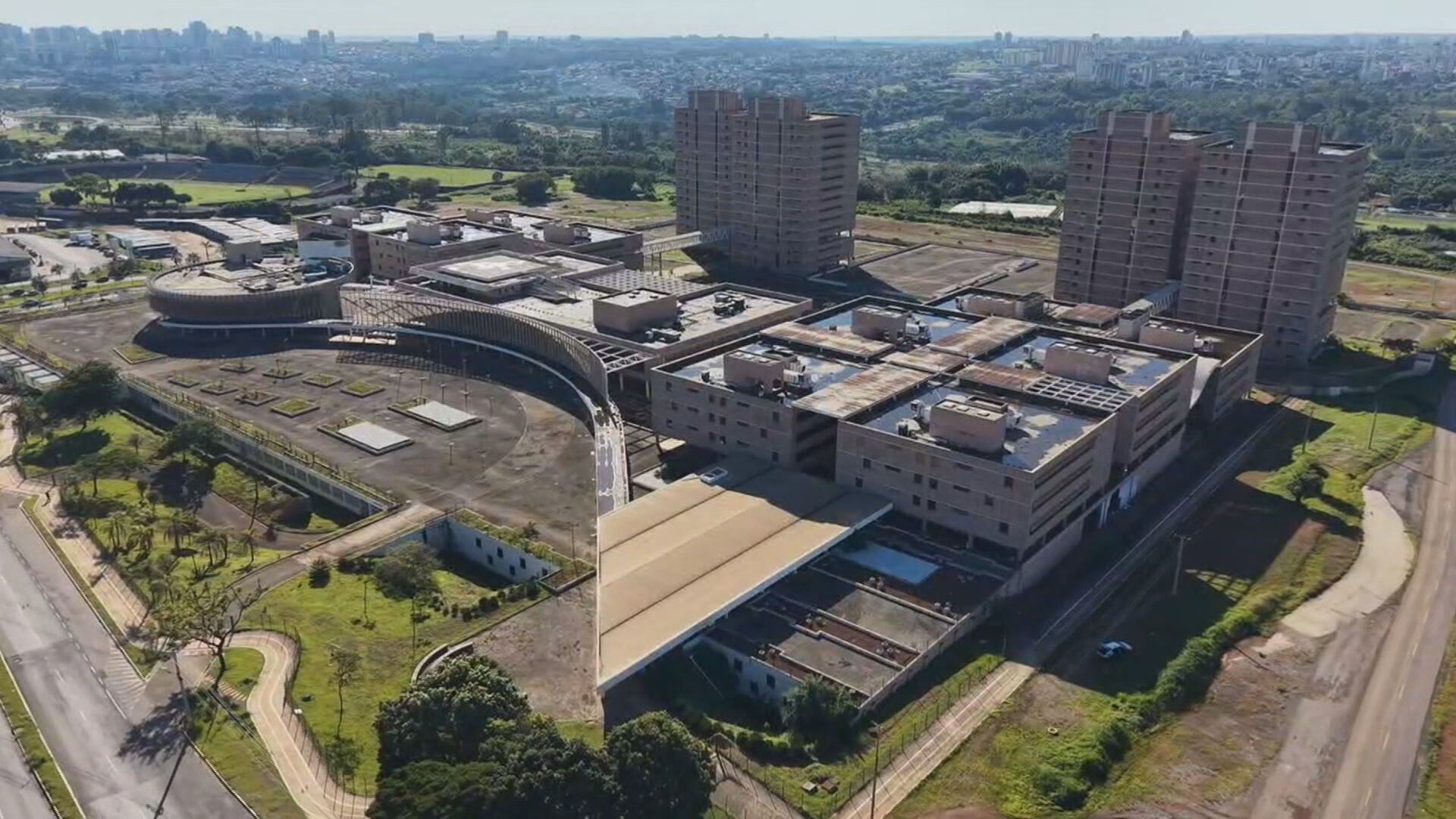
The Administrative Center of the Federal District (CAD), a sprawling complex in Taguatinga, remains unused years after its incomplete inauguration in 2014, becoming a symbol of government waste. Despite initial promises to reduce rental costs and decentralize services, the 16-building, 182,000-square-meter facility has never been fully functional. It now suffers from deterioration, including leaks, cracks, non-operational elevators, and even bullet marks. The complex was inaugurated by former governor Agnelo Queiroz on his last day in office, despite lacking essential amenities like furniture and internet.
Currently, the CAD is at the center of a protracted legal dispute involving the construction companies, Odebrecht and Via Engenharia. These firms, which formed a consortium that won the public-private partnership in 2009, claim they were never paid for the R$ 6 billion project, which also included maintenance responsibilities over 22 years. The government of the Federal District, through its entity Terracap, seeks to block a lawsuit from the companies seeking billions in compensation. In 2022, an internal audit led the DF government to annul the contract, citing serious flaws in planning, bidding, and execution, as well as alleged collusion and market rigging between the companies, confirmed by Lava Jato informants. No government funds were disbursed for the construction.
The consortium sued, challenging the contract annulment and seeking damages. While a lower court rejected their claim, an appeals court reversed this decision, ruling that the companies have the right to discuss the contract's termination and potential compensation. The core legal debate now revolves around whether the contract's end should be classified as an annulment due to government fault or a judicial rescission, which could significantly impact the amount of any awarded damages, potentially exceeding R$ 1 billion. The DF government argues the contract is already terminated, precluding judicial rescission. The case is now before the Superior Court of Justice (STJ), where it is being debated whether the case should return to the first instance for further judgment or be archived, with no set timeline for a decision.
Despite the ongoing legal battle, the complex is slated for partial occupation. Governor Celina Leão announced in June that 31% of the CAD would be occupied within three months, starting with her office and several key secretariats, including Urban Development, Environment, DF Legal, Mobility, and the Civil House. This move is expected to reduce government rental expenses. The government acknowledges the need for renovations, with ongoing work on structural repairs, electrical systems, painting, and elevator maintenance. The Secretariat of Government stated that the companies are entitled to discuss compensation for their investment in the work, framing it as a purely financial matter separate from the property's public ownership.
The protracted legal and physical abandonment of the DF Administrative Center highlights systemic issues in public infrastructure project management, particularly concerning public-private partnerships. The complex's current state, marked by deterioration and unresolved financial claims, underscores the risks associated with large-scale government projects initiated without thorough planning or clear contractual frameworks. The controversy over payment and contract annulment, intertwined with allegations of corruption from the Lava Jato investigations, points to potential governance failures and the need for more robust oversight mechanisms. While the current administration's plan to occupy the facility aims to mitigate ongoing rental costs, it proceeds amidst unresolved litigation, suggesting a pragmatic approach to asset utilization that may not fully address the underlying legal and financial complexities. Future projects must prioritize transparent procurement, rigorous feasibility studies, and contingency planning to avoid such costly and prolonged disputes, ensuring public funds are used efficiently and effectively.
AI-generated to prompt reflection — not editorial opinion, not advice, not a statement of fact. How this works.