DF Libraries Offer Books, Video Games, Comics, and Manga During School Holidays
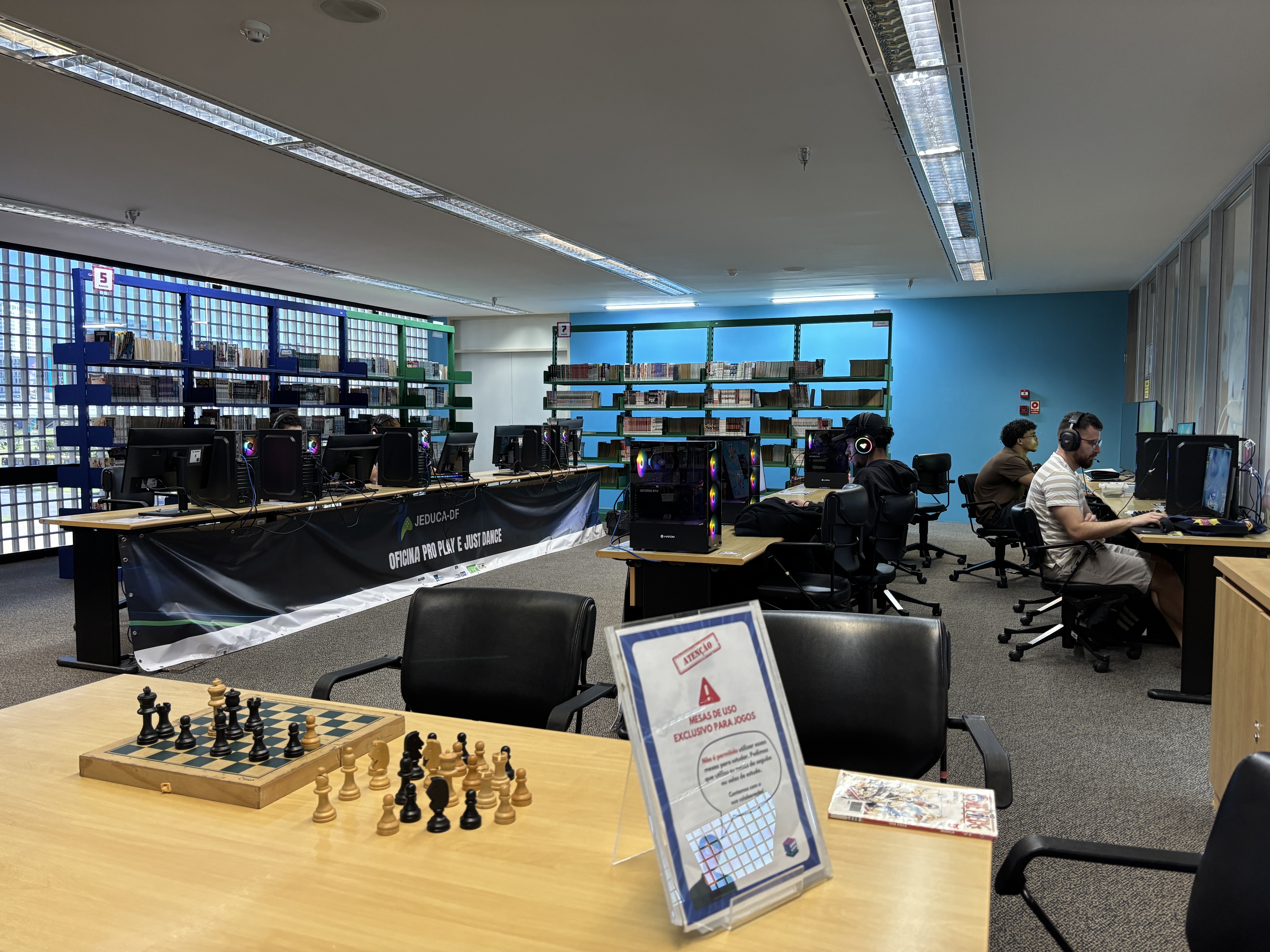
As school holidays begin in the Distrito Federal (DF), public libraries are transforming into vibrant hubs of technology, leisure, and discovery, moving beyond traditional book collections. The DF's public libraries, which include 24 branches, are offering a wide array of activities and collections to engage young people and the wider community. These initiatives aim to attract a younger demographic by incorporating elements like video games, comics, and manga into their offerings. The National Library of Brasília boasts one of the largest collections of comics and manga in the DF, with over 4,500 comic books and 4,600 manga volumes. It also features the country's second-largest gaming arena, equipped with 11 computers and two next-generation consoles, including an Xbox Series X and a PS5. Since its gaming arena opened in 2024, it has recorded over 26,000 equipment and item loans by May of this year. The Central Library of the University of Brasília (BCE) also provides a welcoming space, known as Espaço POP, which opened in 2018. This area offers a collection of 865 graphic novels and comic titles, alongside 153 board games, video game consoles (PS3, Nintendo DS, Xbox 360), and RPG sessions, catering to both university students and the general public. Inaugurated in 1993, the TT Catalão Gibiteca within the Renato Russo space is Brasília's first comic library and the third in Brazil, housing approximately 23,000 comic items, including rare editions. Several other regional libraries across the DF also feature significant collections of comics and manga, such as the Public Library of Águas Claras, the Guará Public Library, Taguatinga Public Library, Ceilândia Public Library, and Brasília Public Library.
Public libraries in the Distrito Federal are strategically adapting their services to align with contemporary youth culture by integrating video games, manga, and digital entertainment alongside traditional literary resources. This initiative reflects an understanding of evolving engagement models, aiming to bridge the gap between established library functions and the digital-native generation. By offering these diverse attractions, libraries can foster broader community access and potentially cultivate new reading habits. The success of these programs hinges on sustained investment in updated technology and diverse collections, ensuring libraries remain relevant and accessible community anchors in an increasingly digital world. This approach highlights a broader trend in public institutions to innovate and diversify their offerings to meet changing societal needs and preferences.
AI-generated to prompt reflection — not editorial opinion, not advice, not a statement of fact. How this works.