Dhaka Floods Persist Despite Over $2 Billion in Government Spending
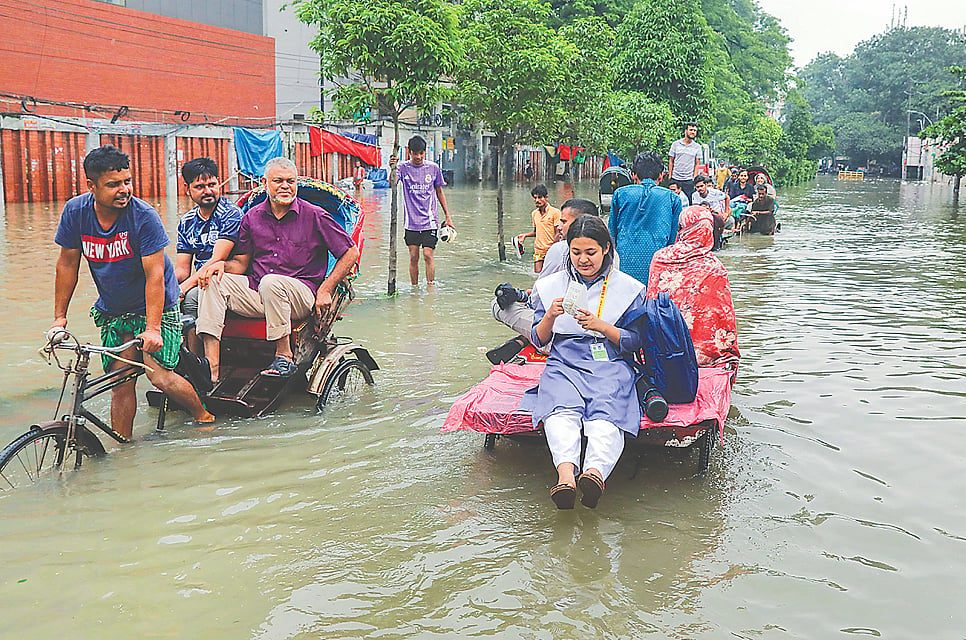
Despite the Awami League government's expenditure of at least 2,146 crore Bangladeshi Taka (approximately $2 billion USD) on infrastructure projects, Dhaka continues to suffer from severe waterlogging. The effectiveness and benefits of these projects have been called into question, with citizens expressing dissatisfaction with the persistent flooding. Experts and citizens alike are urging the new government to adopt a more planned and strategic approach to urban development and infrastructure management. The current situation highlights a significant disconnect between public investment and tangible improvements in the lives of residents. Recommendations suggest a need for better project oversight, more efficient resource allocation, and a focus on sustainable solutions to address the complex issue of urban flooding in the capital. The ongoing challenges underscore the importance of effective governance and long-term planning in mitigating the impact of climate change and rapid urbanization on city infrastructure.
The substantial financial investment in Dhaka's infrastructure, amounting to over 2,146 crore Taka, has evidently not translated into a commensurate reduction in waterlogging. This suggests potential systemic issues in project planning, execution, or maintenance, rather than a simple lack of funding. The recurring problem points to a need for a critical review of past strategies, possibly incorporating more resilient urban drainage designs and improved waste management to prevent blockages. Future governance should prioritize data-driven decision-making and integrated urban planning that accounts for environmental factors and population growth, ensuring that public funds yield demonstrable improvements in quality of life and urban resilience.
AI-generated to prompt reflection — not editorial opinion, not advice, not a statement of fact. How this works.