Dhaka Paralyzed by Monsoon Floods: Seeking Sustainable Solutions
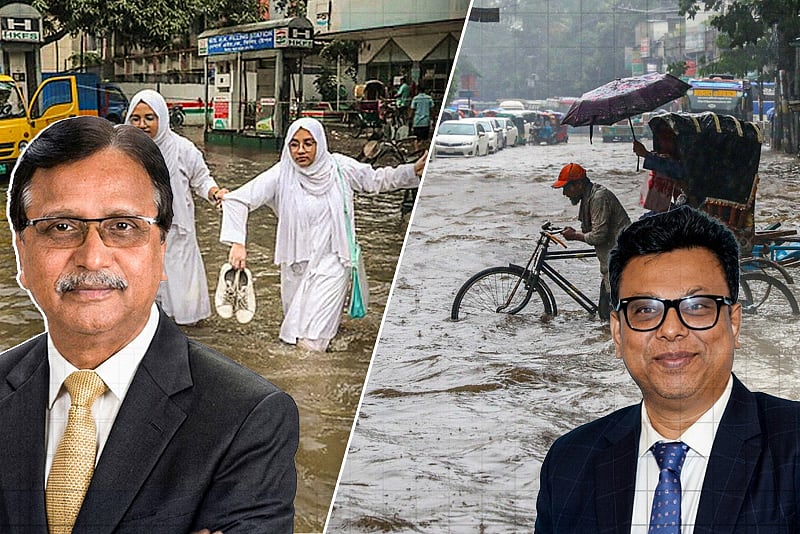
As the monsoon season arrives, Dhaka faces recurring disruptions due to waterlogging, leading to a standstill in urban life. This annual phenomenon highlights a persistent challenge for the capital city, impacting daily commutes, businesses, and overall public life. The severity of the flooding often brings the city to a halt, underscoring the urgent need for effective and long-term solutions.
The recurring nature of these floods raises questions about the city's infrastructure and urban planning strategies. Residents and commuters experience significant hardship, with roads becoming impassable and essential services frequently disrupted. The economic impact is also substantial, as businesses suffer losses due to operational halts and damaged goods. Addressing this issue requires a comprehensive approach that considers both immediate relief and preventative measures to build resilience against future monsoon challenges.
The recurring monsoon flooding in Dhaka points to a systemic challenge in urban infrastructure development and water management. While the immediate impact is widespread disruption, the underlying issue likely stems from a combination of inadequate drainage systems, rapid urbanization encroaching on natural water bodies, and potentially insufficient maintenance of existing infrastructure. Future resilience will depend on integrated urban planning that prioritizes green infrastructure, effective waste management to prevent drain blockages, and robust flood control measures. Addressing these challenges proactively is crucial to mitigate the recurrent economic and social costs associated with these annual events and to ensure the city's long-term livability.
AI-generated to prompt reflection — not editorial opinion, not advice, not a statement of fact. How this works.