Dhaka Residents Face Severe Gas Shortages, Resorting to Wood Stoves and Rationing
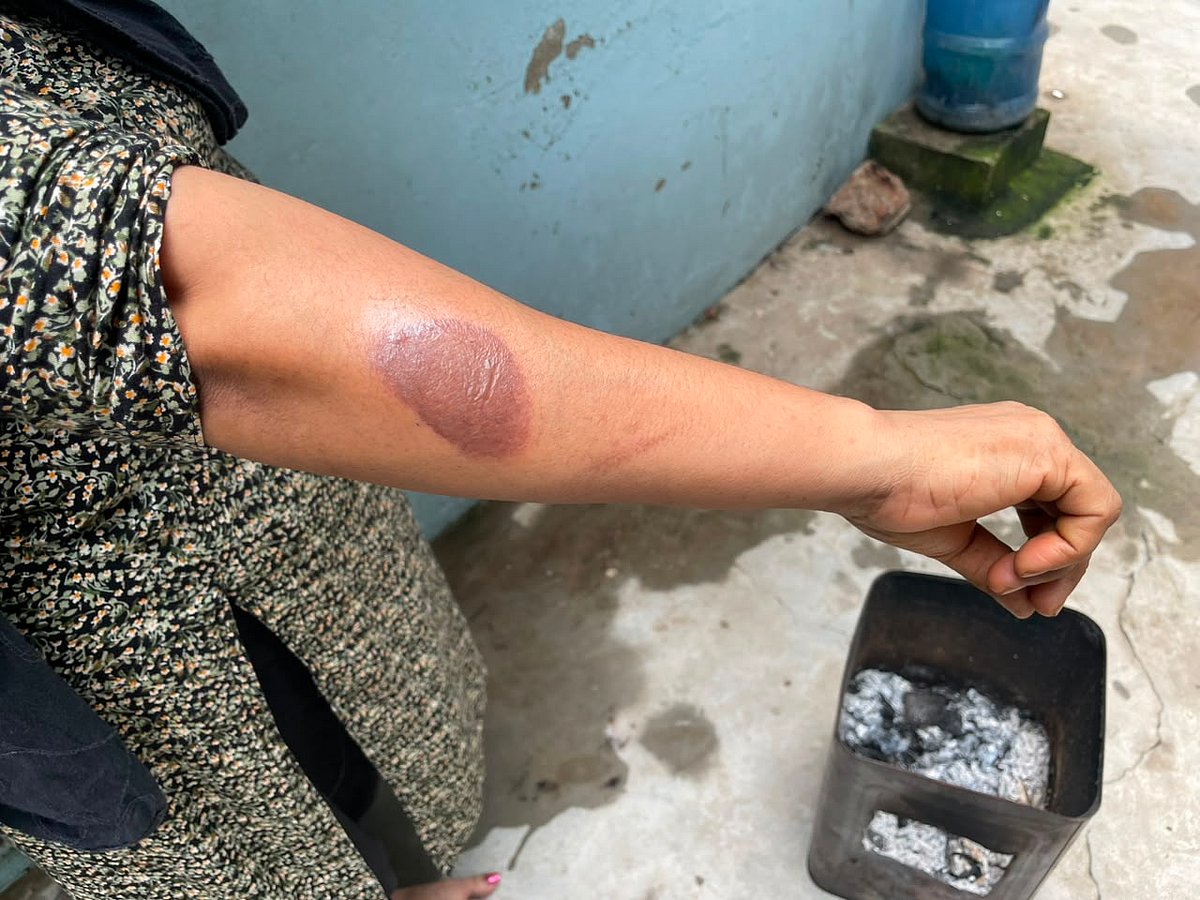
Residents in Dhaka, particularly in areas like Kazipara and Shewrapara, are experiencing severe gas shortages, with some households going without gas for up to 20 days. This has forced many to resort to alternative cooking methods, including using wood-burning stoves and electric induction cookers. Laima Khatun, a resident of North Kazipara, described the daily struggle of trying to cook for her family of four, often resorting to eating stale food or relying on expensive restaurant meals. Another resident, Shilpi, sustained burns while using a makeshift tin wood stove, highlighting the dangers and costs associated with these alternatives. The scarcity has also impacted basic needs like boiling water, with some residents collecting water from distant sources. The situation is exacerbated by the inability to cook nutritious meals, with many families, like Mohammad Forkan's, subsisting on simple foods like flattened rice and bananas. The demand for LPG cylinders has surged, with prices increasing significantly due to limited supply. A fire at an LNG terminal in Maheshkhali has reduced the country's daily gas supply, contributing to the widespread crisis, even as domestic demand far exceeds current availability.
The widespread gas shortage in Dhaka, attributed to a terminal fire and high domestic demand exceeding supply, demonstrates a critical vulnerability in the nation's energy infrastructure. This crisis disproportionately affects lower and middle-income households, forcing them to adopt costly, time-consuming, and potentially hazardous cooking methods. The reliance on imported LNG and the fragility of its supply chain underscore the need for diversified energy sources and enhanced domestic production capabilities. Future planning must consider the resilience of energy infrastructure against unforeseen events and the equitable distribution of resources to prevent such widespread hardship. The long-term implications involve public health risks from alternative fuels and economic strain on households forced to bear additional costs for basic necessities.
AI-generated to prompt reflection — not editorial opinion, not advice, not a statement of fact. How this works.
