Dhaka's Flooding Crisis: Underground Reservoirs Offer a New Solution
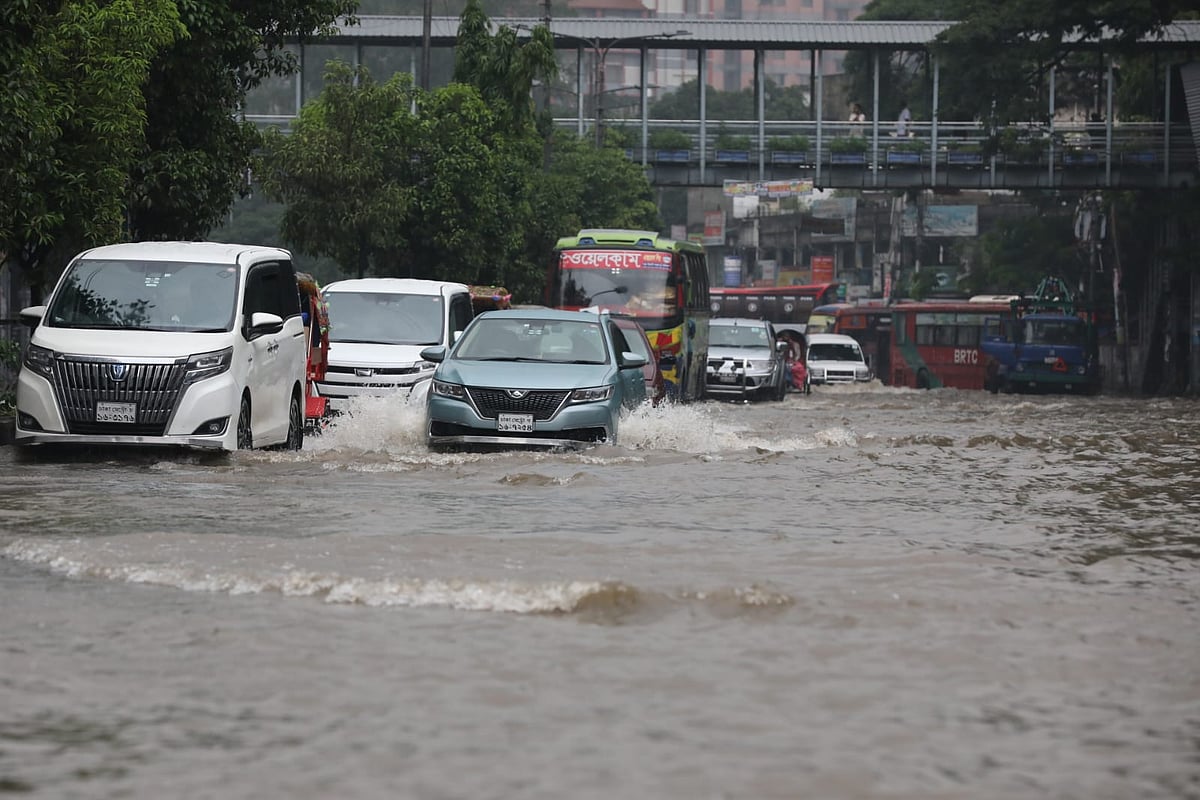
Dhaka faces a severe urban crisis during rainfall, where even an hour of rain can lead to three hours of traffic gridlock, paralyzing normal city life. Traditional solutions like building larger drains, installing more pumps, and excavating canals have proven insufficient because they fail to account for the reality that Dhaka's canals, rivers, and outfalls often become saturated during monsoon season. When the outlets are full, water has nowhere to go, leading to surface flooding and widespread traffic jams.
The article proposes a novel approach: instead of focusing solely on rapid water removal, the city should consider temporary water storage solutions. This involves constructing underground reservoirs beneath busy roads and sidewalks. These large concrete structures, hidden from view, could hold thousands of liters of rainwater, preventing it from accumulating on the surface. During rainfall, water would be directed from drains into these subterranean tanks, keeping roads clear and traffic flowing.
This system would function as temporary "water banks" for the city. Excess water stored in these underground reservoirs could then be pumped out during off-peak hours, specifically between 10 PM and 5 AM, using specialized pump trucks. This method would be more efficient and economically viable than relying on the immediate removal of all rainwater, a concept that clashes with natural hydrological realities like high river levels or tidal influences. By managing water storage and removal strategically, Dhaka could mitigate the significant economic losses caused by waterlogging, which disrupt work, business, and essential services. Pilot projects in flood-prone areas could test this innovative approach before wider implementation, adapting to the challenges of climate change and increasingly intense rainfall.
The proposed underground reservoir system for Dhaka addresses the critical disconnect between conventional drainage infrastructure and the hydrological realities of a densely populated, low-lying deltaic city facing climate change impacts. The current approach prioritizes rapid outflow, which becomes ineffective when receiving bodies of water are at capacity. By shifting focus to temporary, distributed storage, the system acknowledges that immediate removal is not always feasible or optimal. This "store-then-remove" strategy could reduce the immediate economic disruption caused by surface flooding, which represents a significant loss of productive time and resources. Implementing such a system requires careful consideration of engineering, maintenance, and urban planning integration, particularly regarding the capacity and management of the underground reservoirs and the logistics of nighttime water removal. The success of pilot projects will be crucial in demonstrating the viability and scalability of this innovative approach, potentially transforming Dhaka's response to rainfall from a crisis management scenario into a more integrated urban water management practice.
AI-generated to prompt reflection — not editorial opinion, not advice, not a statement of fact. How this works.