Dhaka's Heat and a Young Man's Memories of Home
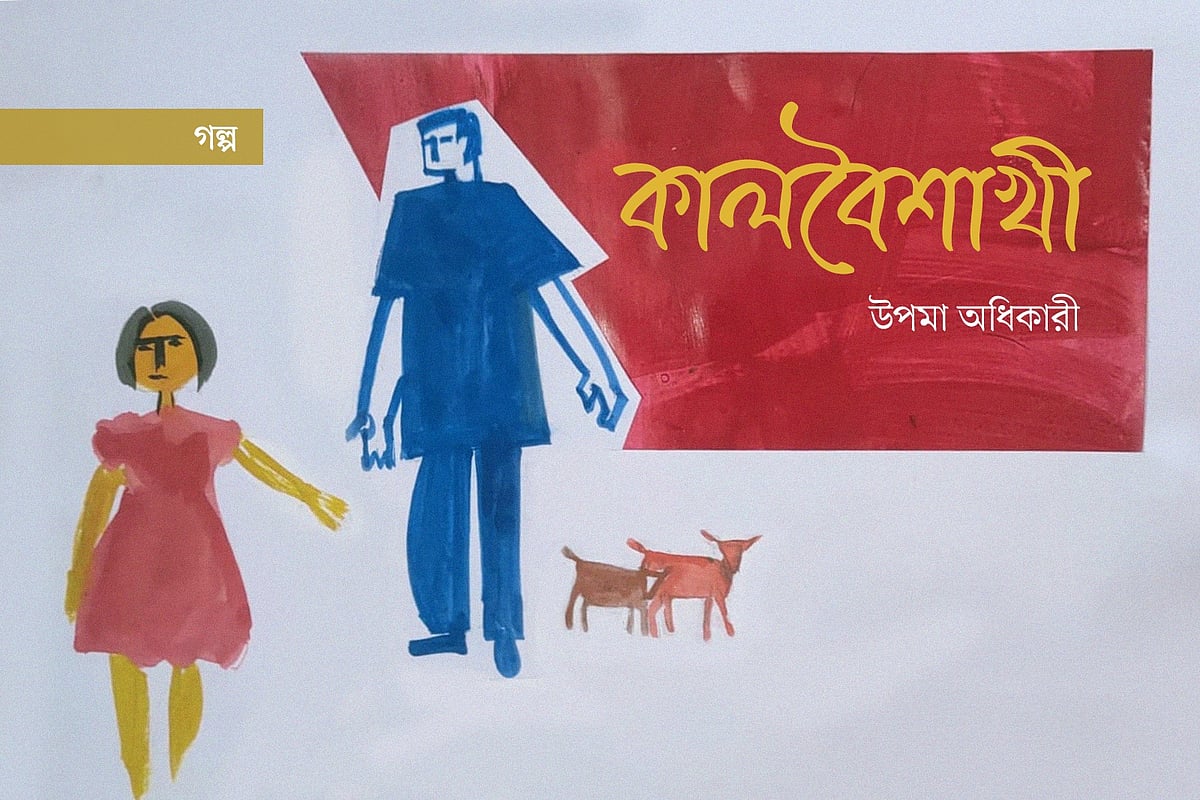
The story follows a young man named Dwip in Dhaka, struggling with the oppressive heat and a broken fan, finding solace in evening visits to a canal-side spot. This area, despite its less-than-ideal surroundings of drains and garbage, offers a sense of community and escape for students and office workers. Dwip often goes alone, seeking a quiet space to reflect and cope with his surroundings. He reminisces about his village life, characterized by frequent power outages and a simpler existence, which is starkly contrasted with the bustling, illuminated city.
Dwip's past is marked by loss, including the death of his father the previous year. Following his father's funeral rites, he was quickly sent to Dhaka for his studies, leaving behind his childhood home and two goats. He reflects on the abruptness of this transition, forced by his uncles to make way for them in the family home. The canal-side spot becomes his sanctuary, a place where he can momentarily disconnect from his current reality and revisit fragmented memories.
During one such evening, as a storm approaches, Dwip encounters a young woman with striking white hair. This encounter triggers a cascade of forgotten memories, including instances of childhood hunger, a school punishment, a near-drowning, and witnessing a girl with white hair being brought to a secluded area. He struggles to place these memories and the identity of the woman, wondering if she is connected to his past. As the storm breaks with dust and rain, Dwip feels a protective urge towards the woman, whom he tentatively names 'Khonprobha,' and decides to seek shelter with her, holding her hand as they run.
This narrative explores themes of displacement, memory, and the search for solace amidst urban alienation. The protagonist's internal monologue contrasts the harsh realities of his present life in Dhaka with idealized recollections of his rural past, highlighting the psychological impact of rapid societal and personal transitions. The encounter with the mysterious woman serves as a catalyst, bringing suppressed memories to the surface and prompting introspection about identity and connection. The story implicitly critiques the pressures of modernization and migration, which can sever individuals from their roots and create a sense of existential drift. The approaching storm can be interpreted as a metaphor for the emotional turmoil and unresolved issues Dwip faces, suggesting that confronting these internal 'storms' is a necessary step towards healing and self-discovery.
AI-generated to prompt reflection — not editorial opinion, not advice, not a statement of fact. How this works.