Dhaka's Lesson: Street Power and Parliamentary Solutions
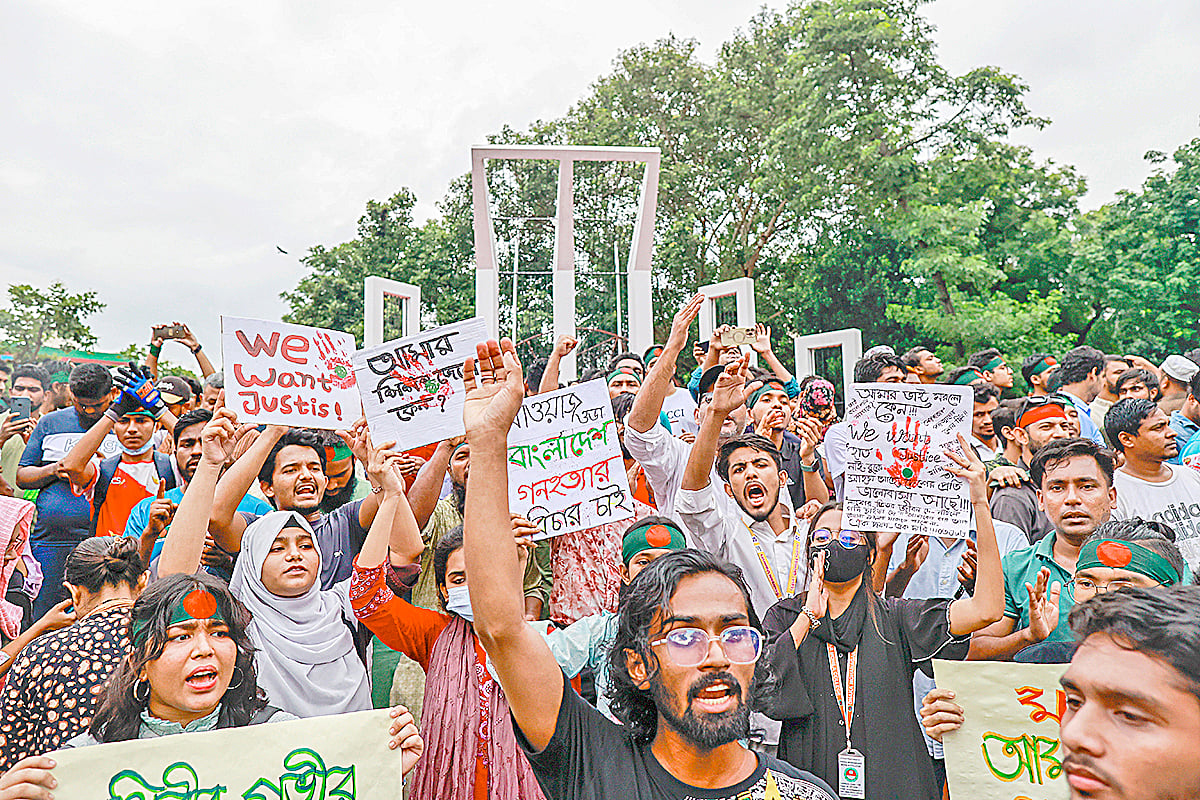
Protests in Bangladesh have highlighted the necessity of dissent while also revealing its limitations in certain situations. The demonstrations underscore the dynamic interplay between public expression and formal political processes.
These events in Dhaka serve as a case study for how societal grievances are voiced and addressed. They demonstrate that while street activism can bring issues to the forefront, achieving lasting solutions often requires engagement within established legislative frameworks. The effectiveness of protest is thus contextual, depending on the political environment and the responsiveness of governing bodies.
The events in Dhaka illustrate a common tension in political systems worldwide: the efficacy of grassroots activism versus institutionalized governance. While public demonstrations can serve as powerful tools to signal societal discontent and compel attention from policymakers, their capacity to enact concrete, long-term change is often contingent on their integration into legislative or policy-making channels. The analysis suggests that the sustainability of political solutions may depend on fostering robust mechanisms for dialogue and compromise between street-level movements and parliamentary bodies. Future governance models might benefit from exploring hybrid approaches that synergize the immediate impact of public mobilization with the deliberative and structural power of representative institutions, ensuring that diverse voices contribute to policy formation in a structured manner.
AI-generated to prompt reflection — not editorial opinion, not advice, not a statement of fact. How this works.