Dhaka's Transformation Requires Strong Leadership and Retention Area Implementation
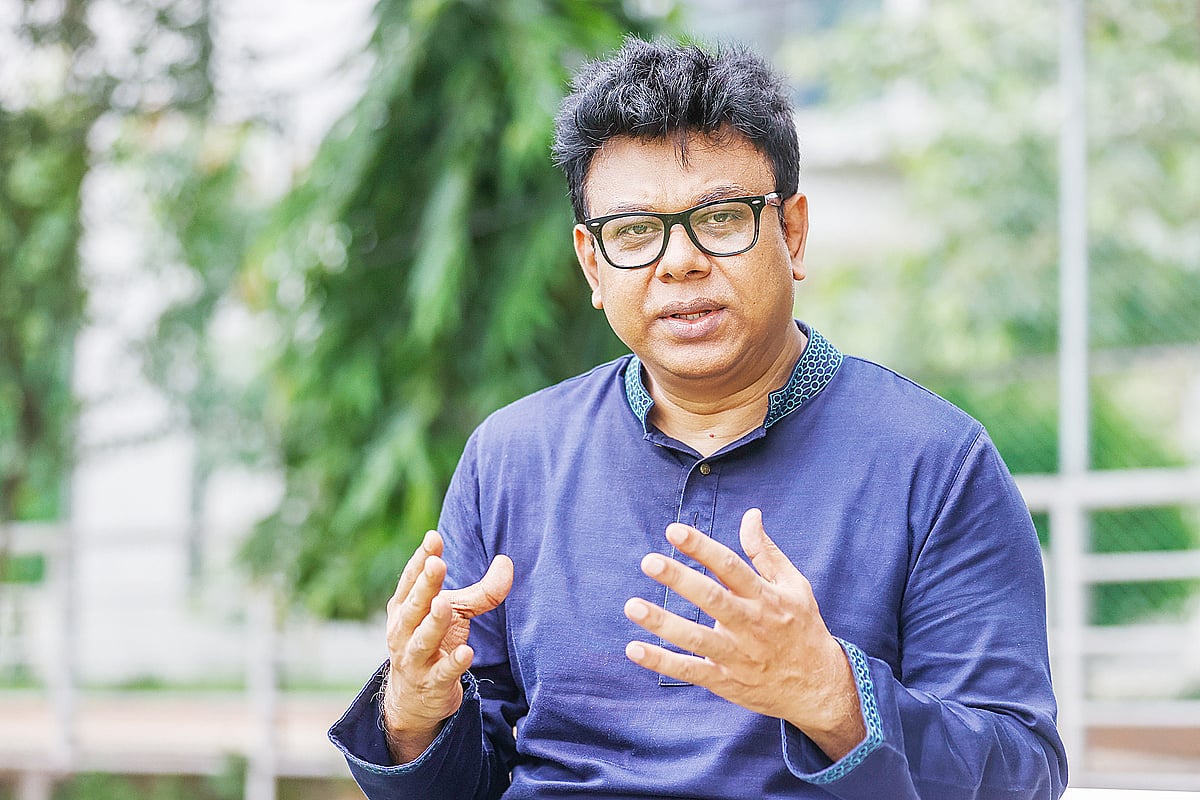
Transforming Dhaka necessitates robust leadership and the swift implementation of five proposed retention areas within the Detailed Area Plan (DAP). These areas should not merely serve as water reservoirs but should be developed into multi-purpose public spaces, similar to the successful model of Hatirjheel. The current state of Dhaka suggests that without decisive action and strategic planning, significant improvements are unlikely to materialize. The focus on retention areas highlights a critical need for integrated urban planning that balances development with environmental preservation and public amenity. The success of Hatirjheel as a multifunctional public space offers a blueprint for how these new retention areas can contribute to the city's livability and ecological health. This approach emphasizes the importance of creating accessible, usable green spaces within the urban fabric, which are essential for the well-being of residents and the resilience of the city.
The call for strong leadership and the strategic development of retention areas points to a common challenge in urban planning: the gap between policy proposals and on-the-ground execution. The emphasis on multi-purpose public spaces suggests an understanding of the need for integrated urban design that serves both ecological and social functions. The reference to Hatirjheel as a model indicates a desire to replicate successful urban regeneration projects. However, the effectiveness of such initiatives often hinges on sustained political will, efficient bureaucratic processes, and equitable resource allocation. Future urban development strategies will need to address these systemic factors to ensure that plans translate into tangible improvements for citizens and the environment, fostering resilience in the face of increasing urbanization.
AI-generated to prompt reflection — not editorial opinion, not advice, not a statement of fact. How this works.