Dhaka University student alleges assault and obstruction in hall restroom
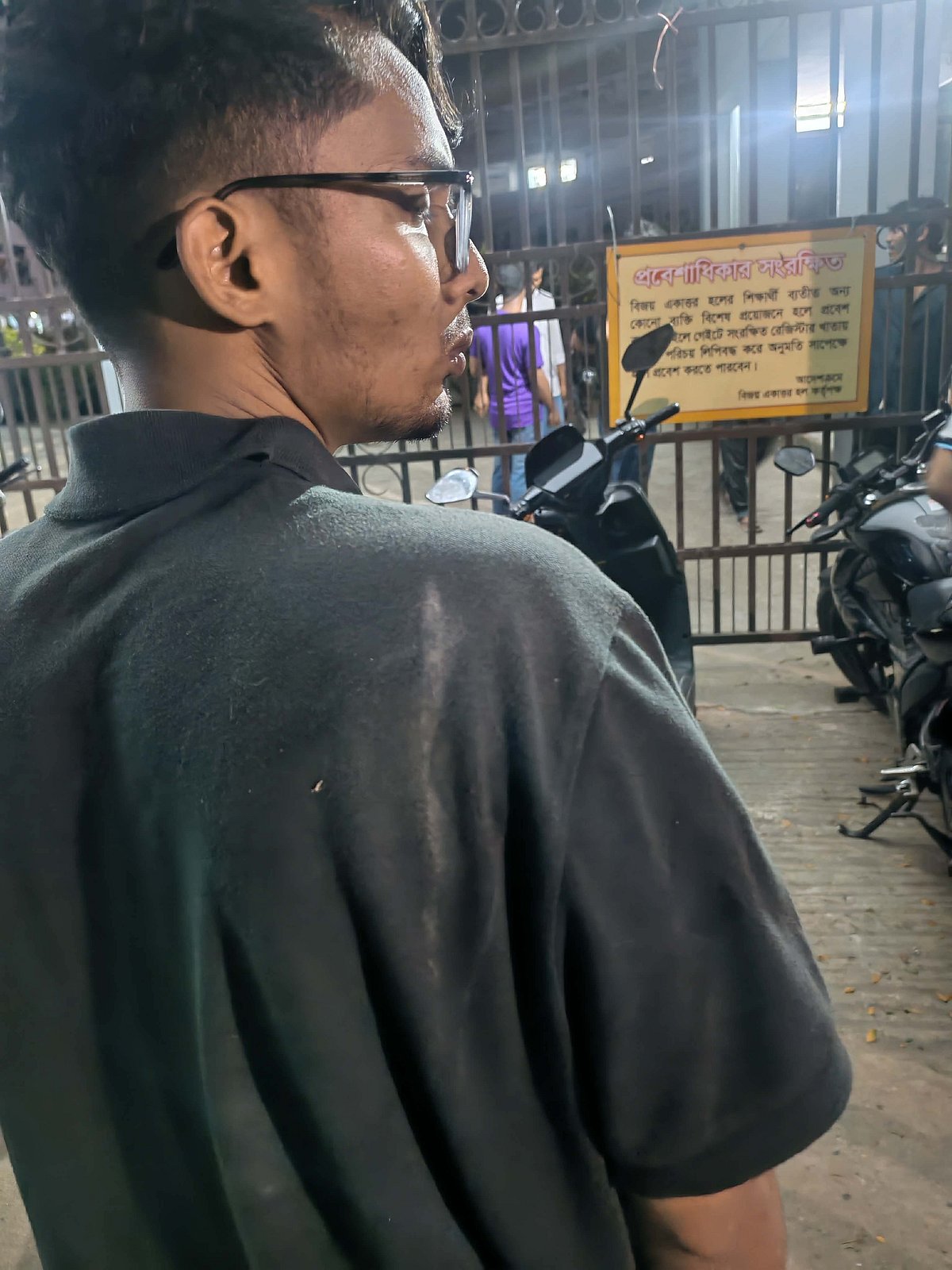
A student at Dhaka University's Bijoy Ekattor Hall, Ahmed Shahriar, has filed a formal complaint against fellow resident Abdullah Al Mahfuz. Shahriar, a student of Television, Film & Photography, alleges that Mahfuz, a Bengali department student, prevented him from using a restroom near the guest room on Sunday night. Shahriar claims Mahfuz verbally abused him, physically assaulted him, and threatened to take him to the 'guest room' to teach him manners. He also stated that he was denied access to the restroom for the entire night. The incident reportedly occurred after the Football World Cup final, around midnight. Shahriar mentioned that several female guests were present in the restroom area at the time, which was initially not disclosed to him as the reason for denial of access. The hall administration has formed a committee to investigate the matter, with a report due within four working days. The hall provost, Professor SM Ali Reza, confirmed the formation of the committee after attempts at an amicable resolution failed due to conflicting allegations.
This incident highlights potential governance challenges within university residential halls, particularly concerning the equitable access to shared facilities and the management of interpersonal conflicts. The dispute over restroom access, exacerbated by the presence of guests, suggests a need for clearer protocols on facility usage, especially during events or when guests are present. The allegations of physical assault and threats, if proven, point to a failure in upholding a respectful and safe living environment. Furthermore, the introduction of political affiliations into the dispute, with counter-allegations between student wings, risks politicizing a personal conflict and potentially hindering a fair investigation. University administrations must ensure that disciplinary processes are impartial and focused on student conduct, irrespective of political leanings, to maintain order and student welfare.
AI-generated to prompt reflection — not editorial opinion, not advice, not a statement of fact. How this works.