Dhaka University students demand 24-hour hall access, submit memo
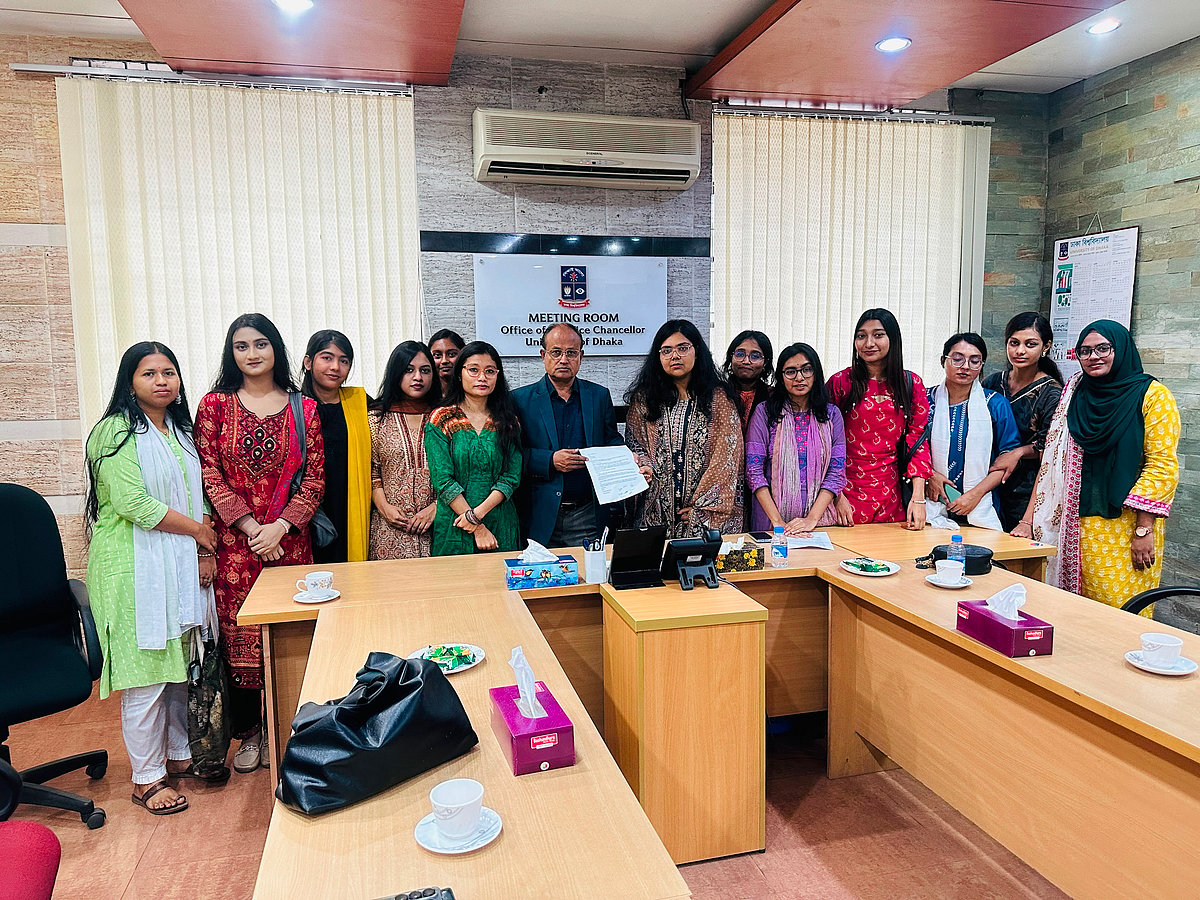
A student platform named 'Discrimination-Free Student Halls' submitted a memorandum to the Vice-Chancellor of Dhaka University on Monday, presenting three key demands. The primary demand is the abolition of the current evening curfews in female student dormitories, advocating for the gates of all Dhaka University female halls to remain open 24 hours a day. Secondly, they are requesting that regular female students be allowed to enter any university female hall by presenting their valid university ID and have the opportunity to stay overnight with permission. The third demand is to permit female family members of any student to access the hall rooms. The memorandum argues that to ensure students' safety, dignity, freedom, and equal rights, a secure and systematic 24-hour access system is necessary, rather than time-based restrictions. Students may need to leave or enter their halls at any time for education, research, medical reasons, organizational activities, family needs, or personal emergencies. The platform urged the university administration to seriously consider these reasonable demands and take prompt action with a positive decision. Sanjana Chowdhury, Vice President of Kobi Sufia Kamal Hall Parliament and a representative of the platform, stated that several existing rules in the five female halls are discriminatory and harassing. Following a meeting of approximately 25 female students, hall representatives, and student union members, this new platform was formed. The Vice-Chancellor assured that a meeting with the provosts of the five female halls and relevant administrative officials would be held soon to discuss these issues, and student representatives would be invited.
This initiative by Dhaka University students highlights a growing demand for greater autonomy and equality within educational institutions. The push for 24-hour hall access challenges traditional dormitory regulations, often rooted in paternalistic concerns for safety and order. From a systemic perspective, these restrictions can impede students' academic and personal lives, particularly for those engaged in diverse activities or facing unforeseen circumstances. The students' framing of the issue around 'discrimination' and 'harassment' suggests a perception that current rules disproportionately affect female students, potentially limiting their freedom of movement and participation in university life compared to male counterparts. The university's response, promising discussions with relevant officials, indicates a willingness to engage with student concerns, though the actual implementation of policy changes will be crucial in determining whether the university truly embraces a more equitable and modern approach to student governance and welfare in the coming years.
AI-generated to prompt reflection — not editorial opinion, not advice, not a statement of fact. How this works.