Dharan Industrial Zone Cancels Leases for Land Grabbers, Adds 5 New Industries
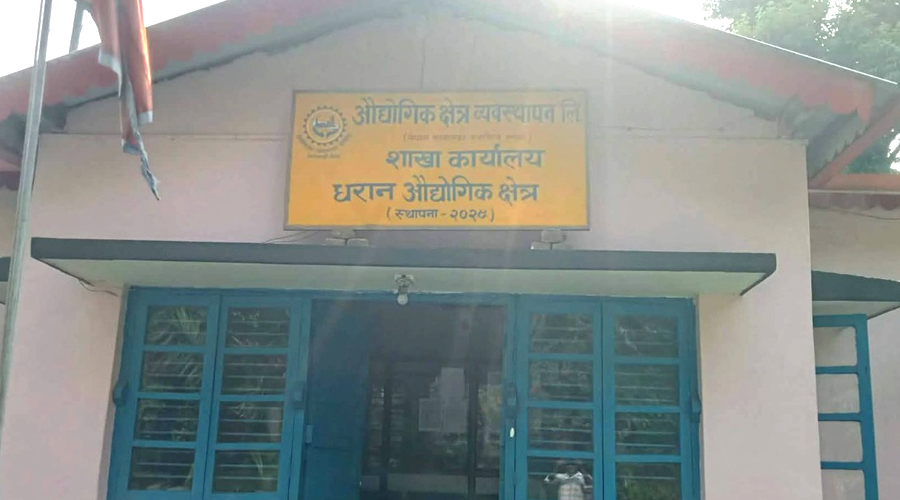
The Dharan Industrial Zone in Sunsari, Nepal, is reportedly moving towards self-sufficiency after half a century since its establishment. This progress is attributed to the cancellation of lease agreements with industries that had occupied land without operating. Following this action, five new manufacturing industries have been established within the zone. The office chief of the Dharan Industrial Zone, Jeev Narayan, stated that the cancellation of leases for inactive occupants and the subsequent establishment of new industries are key steps in revitalizing the zone. This initiative aims to increase production and employment opportunities within the region. The focus is now on ensuring that all allocated land is utilized productively, contributing to the industrial sector's growth. The move is expected to attract further investment and enhance the zone's economic contribution. The management plans to monitor the performance of the new industries to ensure sustained development. This strategic shift signifies a commitment to efficient land use and industrial expansion.
The Dharan Industrial Zone's decision to cancel leases for non-operational occupants and attract new manufacturing industries represents a governance shift aimed at optimizing resource allocation and fostering economic activity. By reclaiming underutilized land, the management is addressing potential inefficiencies and creating opportunities for productive enterprises. This move aligns with broader economic development strategies that prioritize active industrial participation and output. The long-term success of this strategy will depend on continued effective oversight, supportive policies for new entrants, and the overall market conditions influencing industrial growth in the region. The initiative highlights a systemic effort to transition from passive landholding to dynamic industrial contribution, potentially enhancing local employment and economic diversification over the next decade.
AI-generated to prompt reflection — not editorial opinion, not advice, not a statement of fact. How this works.