Dharmendra Pradhan Resignation: Modi Govt Bows to Pressure Again
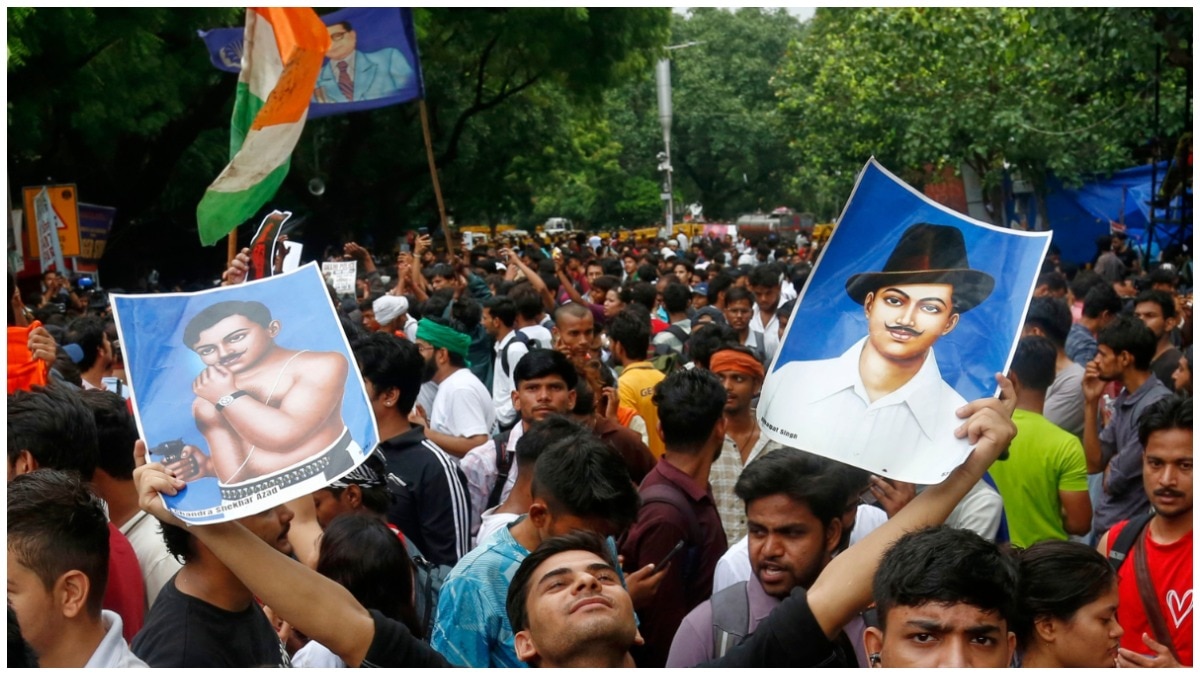
The resignation of Dharmendra Pradhan marks another instance since 2014 where the Modi government has been compelled to alter its stance due to sustained public movements, political pressure, or widespread opposition. This event joins a series of significant moments where the central government has yielded to external pressures. Previously, the government had to backtrack on its decisions concerning the land acquisition law, leading to widespread protests. The #MeToo movement also saw the resignation of M.J. Akbar amidst significant public outcry. Furthermore, the government ultimately withdrew the three contentious farm laws after prolonged farmer protests that lasted for over a year. Another instance involved the Union Public Service Commission's lateral entry advertisement, which faced considerable criticism. The government also had to adjust its position regarding the 131st Constitutional Amendment Bill. These cases collectively highlight a pattern where the administration has been forced to reconsider and modify its policies or personnel decisions in response to substantial public and political challenges.
The recurring instances of the Modi government reversing decisions or accepting resignations under public and political pressure suggest a dynamic interplay between governance and societal feedback mechanisms. While yielding to pressure can be seen as a democratic response, ensuring accountability to the populace, it also raises questions about the initial decision-making processes. The government's ability to adapt demonstrates flexibility, but the frequency of such capitulations may indicate a need for more robust policy formulation and stakeholder consultation upfront. Looking ahead, in an era increasingly shaped by digital communication and rapid information dissemination, governments will face heightened scrutiny. Proactive engagement and transparent policy development will be crucial to preempt widespread opposition and maintain public trust, rather than reacting to it.
AI-generated to prompt reflection — not editorial opinion, not advice, not a statement of fact. How this works.