Dharmendra Pradhan Resigns After CJP's 72-Hour Ultimatum?
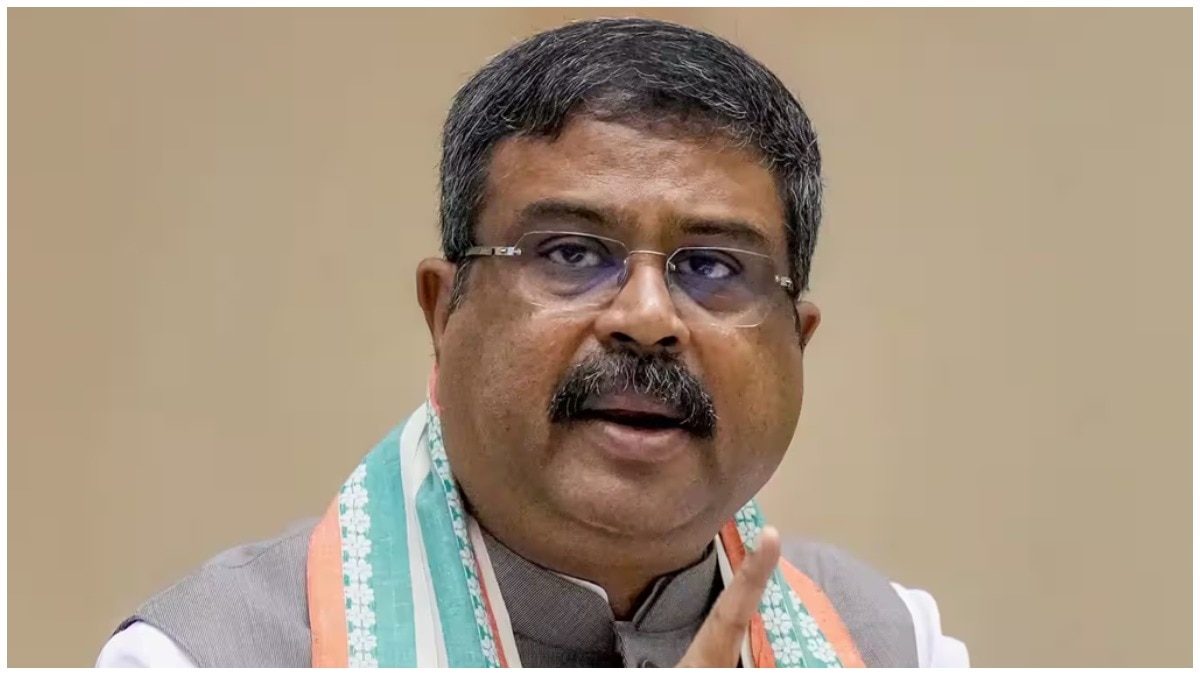
Following the resignation of Dharmendra Pradhan, speculation is rife regarding whether the Citizens for Justice and Peace (CJP)'s 72-hour ultimatum exerted decisive pressure on the government. Sources indicate that the CJP had clearly stated its intention to resume its parliamentary march if Pradhan did not step down. This declaration led to a series of continuous meetings within the government. Ultimately, Pradhan submitted his resignation, a move that has fueled discussions about the CJP's influence.
The sequence of events suggests a potential interplay between civil society activism and governmental decision-making. The CJP's ultimatum, backed by the threat of renewed public protest, appears to have triggered internal government consultations. This scenario highlights the leverage that organized public pressure can exert on political actors, particularly when coupled with a specific deadline and the prospect of continued public engagement. The government's response, involving multiple meetings culminating in a resignation, indicates a strategic calculation aimed at de-escalating the situation and managing public perception. Future governance models may need to account for such dynamic interactions between citizen groups and state apparatuses, recognizing the evolving landscape of accountability in the digital age.
AI-generated to prompt reflection — not editorial opinion, not advice, not a statement of fact. How this works.