Dharmendra Pradhan Resigns as Union Education Minister Amid NEET Controversy
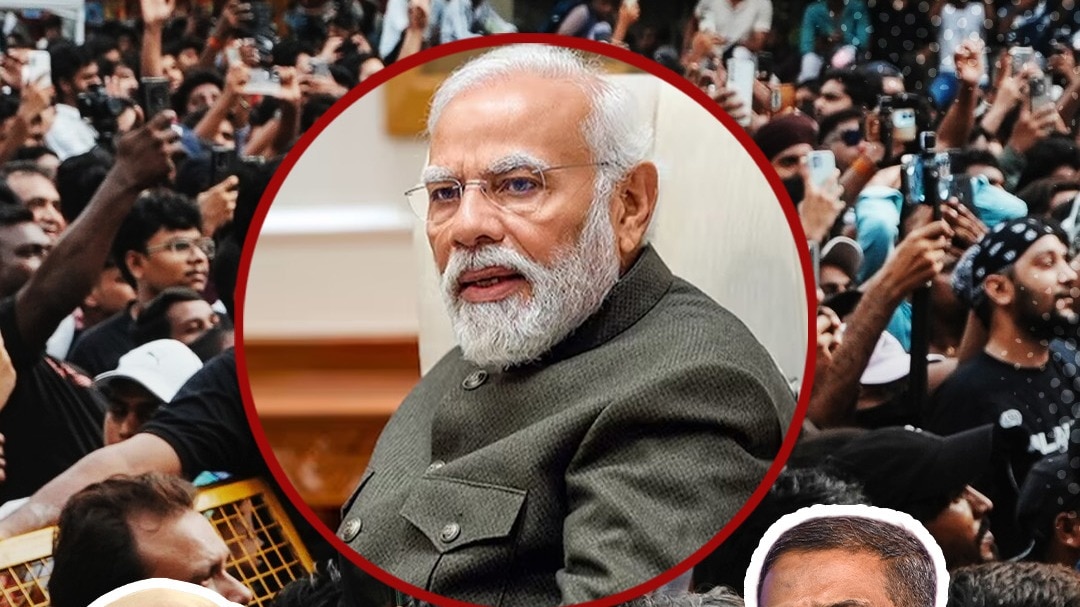
Union Education Minister Dharmendra Pradhan has resigned from his post amidst the ongoing NEET examination controversy and student protests. Pradhan's career spans from student politics to national politics, marking a significant public life. His resignation has sparked widespread discussion across the country regarding his political journey, decisions made during his tenure as Education Minister, and his handling of student-related issues. The controversy surrounding the NEET exam has intensified, leading to widespread student unrest and demands for accountability. Pradhan's departure adds another layer to the ongoing debate about the integrity of national-level entrance examinations. The implications of his resignation are expected to be far-reaching, potentially influencing future policy decisions in the education sector. The government is now facing increased pressure to address the concerns raised by students and ensure transparency in examination processes. The national conversation is likely to focus on leadership changes and the government's commitment to educational reforms.
The resignation of the Union Education Minister amidst the NEET examination controversy highlights the significant public and political pressure that can arise from perceived systemic failures in educational governance. This event underscores the critical need for robust oversight mechanisms in national testing bodies to maintain public trust and ensure equitable access to higher education. The situation prompts reflection on accountability frameworks within government institutions and the potential impact of widespread student dissatisfaction on political stability. Looking ahead, the focus will likely shift to the government's strategy for restoring confidence in the examination system and addressing the underlying issues that led to the current crisis, potentially influencing the future trajectory of educational policy and administrative reforms in India.
AI-generated to prompt reflection — not editorial opinion, not advice, not a statement of fact. How this works.