DHS Uses Synthetic Images to Train Airport Security Algorithms
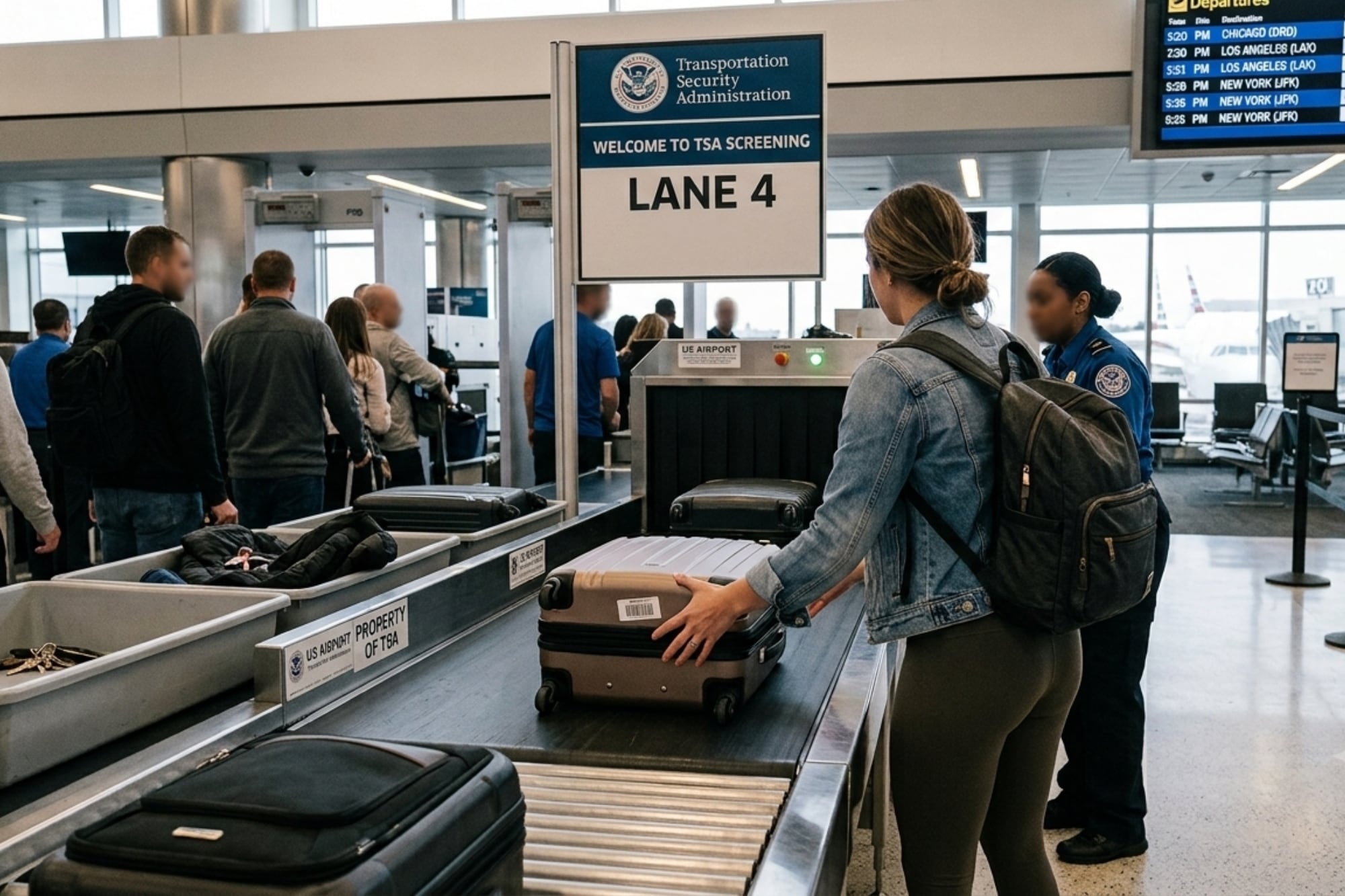
The Department of Homeland Security (DHS) has introduced synthetic images of luggage to enhance security screening processes at airports. This initiative aims to improve the training of algorithms used in baggage inspection. By utilizing these artificial images, the DHS intends to make security checks more efficient. A key objective is to reduce the number of false alarms generated by current screening systems. This will allow security personnel to focus more effectively on genuine threats. The use of synthetic data is expected to streamline the overall passenger experience by speeding up the inspection process. This technological advancement represents a step towards more sophisticated and data-driven security measures in aviation.
The DHS's adoption of synthetic imagery for training airport security algorithms represents a strategic shift towards leveraging artificial intelligence in critical infrastructure protection. This approach addresses the inherent limitations of relying solely on real-world data, which can be scarce, biased, or raise privacy concerns. By generating diverse synthetic datasets, the DHS can potentially create more robust and adaptable security systems capable of identifying novel threats. This move aligns with broader trends in AI development where simulated environments are increasingly used for training and testing complex systems, promising enhanced efficiency and accuracy in threat detection while potentially mitigating the costs and risks associated with extensive real-world data collection. The long-term impact will depend on the fidelity of the synthetic data and the algorithms' ability to generalize to unseen, real-world scenarios.
AI-generated to prompt reflection — not editorial opinion, not advice, not a statement of fact. How this works.