Dia de Sorte Lottery: No Grand Prize Winner for Contest 1249, Jackpot Reaches R$ 3.3 Million
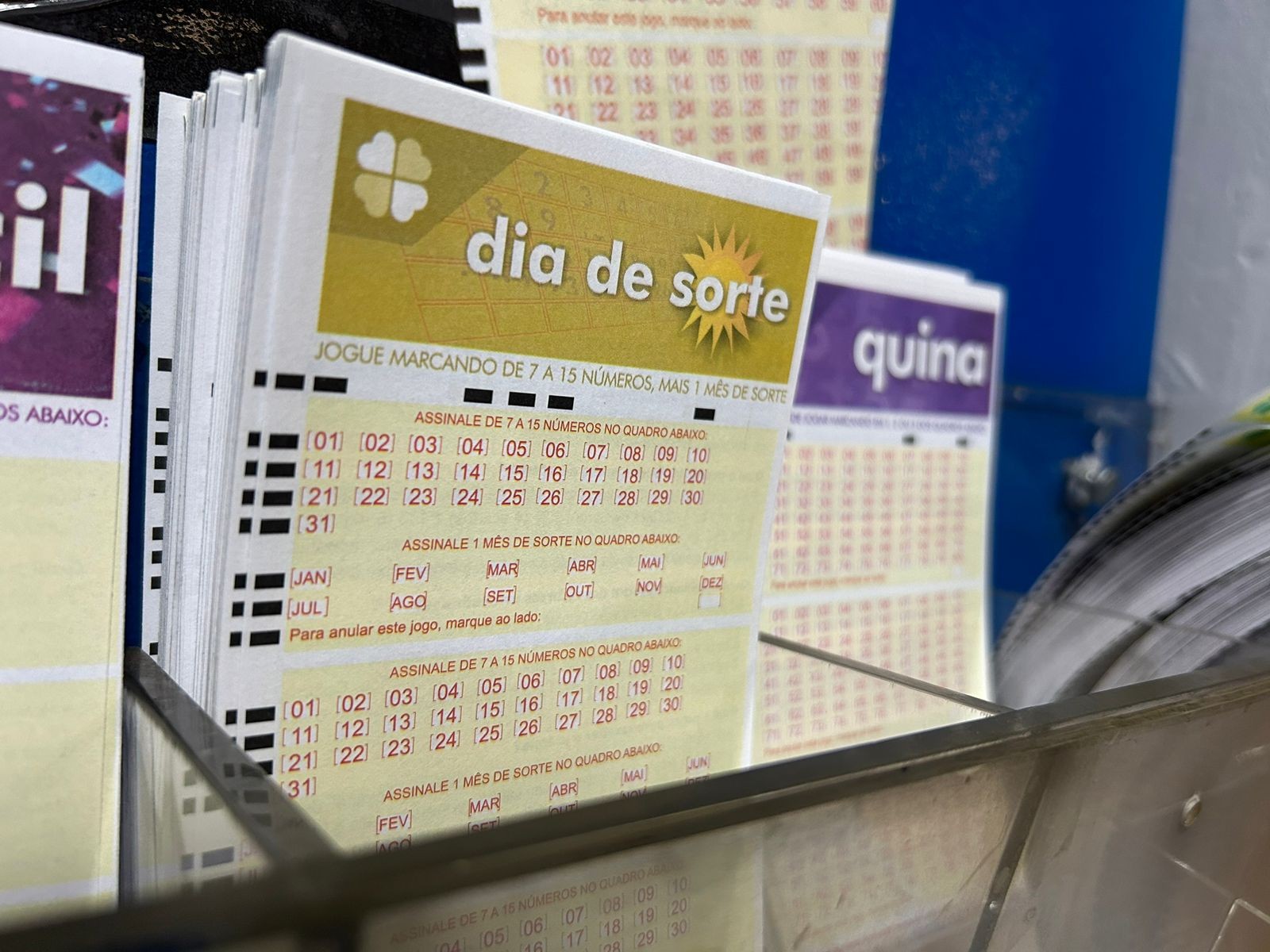
The Brazilian lottery game Dia de Sorte held its 1249th drawing on Sunday, May 19th, with the winning numbers being 2, 17, 20, 26, 27, 29, and 31. The "Month of Luck" was May. No player managed to match all seven numbers, resulting in the jackpot accumulating to R$ 3.3 million for the next drawing. In the 1249th contest, 75 players matched six numbers, each receiving R$ 2,429.31. Additionally, 2,453 players matched five numbers, earning R$ 25 each, and 32,699 players matched four numbers, with each receiving R$ 5. The "Month of Luck" prize was awarded to 105,953 participants, who each received R$ 2.50. The next drawing is scheduled for Monday, May 20th. Dia de Sorte allows players to select 7 to 15 numbers from a pool of 31, plus one "Month of Luck." Players can also opt for "Surpresinha," where numbers are randomly chosen by Caixa Econômica Federal, or "Teimosinha" to repeat their chosen numbers for multiple consecutive drawings. Prizes are awarded for matching 4, 5, 6, or 7 numbers, as well as the "Month of Luck."
This report details the outcome of a national lottery drawing, highlighting the absence of a grand prize winner and the subsequent rollover of the jackpot. The information presented is factual and statistical, outlining prize distribution across various winning tiers. From a systemic perspective, lotteries like Dia de Sorte function as a form of voluntary taxation, generating revenue through entertainment and chance. The accumulation of large jackpots can increase public interest and participation, driven by the prospect of significant financial gain. Analyzing the odds and prize structures reveals the inherent mathematical probabilities that favor the operator over the player in the long term, a fundamental characteristic of such games of chance. The reliance on these games for public revenue or as a funding mechanism warrants ongoing scrutiny regarding their societal impact and the balance between entertainment and potential financial strain on participants.
AI-generated to prompt reflection — not editorial opinion, not advice, not a statement of fact. How this works.