Dia de Sorte Lottery: No Winner for Contest 1240, Jackpot Rises to R$500,000
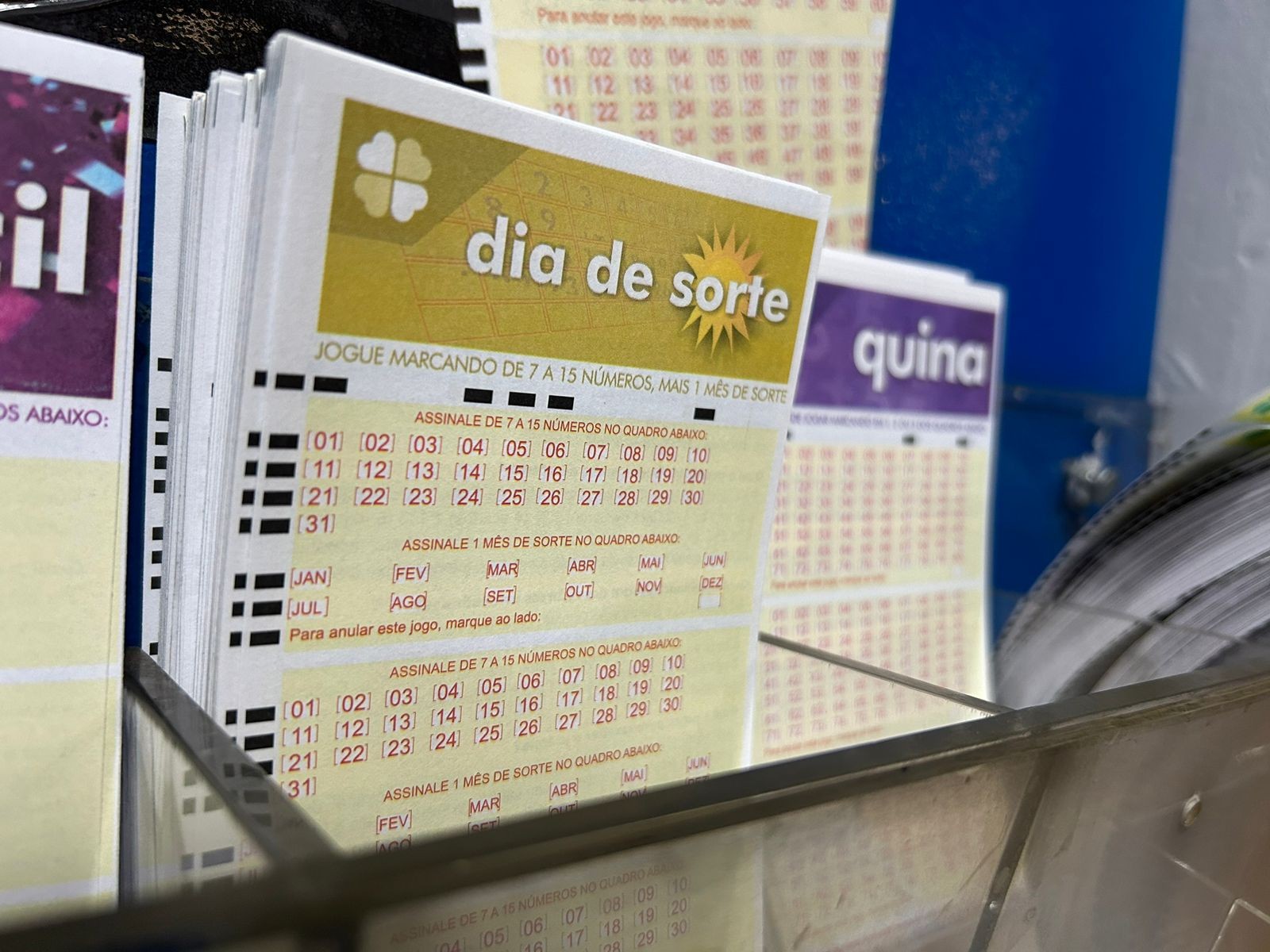
The lottery game Dia de Sorte's 1240th contest, held on Wednesday, August 8th, did not yield a grand prize winner. The drawn numbers were 4, 12, 17, 20, 21, 24, and 29, with August selected as the "Mês da Sorte" (Month of Luck). Consequently, the jackpot has rolled over and is now estimated at R$500,000 for the next draw.
While no one matched all seven numbers, there were 28 winners with six correct numbers, each receiving R$1,955.06. Additionally, 1,017 players matched five numbers, earning R$25 each, and 11,627 players correctly guessed four numbers, taking home R$5 apiece. The "Mês da Sorte" prize was awarded to 33,836 participants, with each receiving R$2.50.
The next drawing is scheduled for Thursday, August 9th. Dia de Sorte allows players to select 7 to 15 numbers from a pool of 31, plus one "Mês da Sorte." Players can also opt for the "Surpresinha" (auto-selection) or "Teimosinha" (repeat play for multiple draws). Prizes are awarded for matching 4, 5, 6, or 7 numbers, as well as the "Mês da Sorte." The basic bet costs R$2.50, with prize distribution varying based on the number of matches.
This report details the outcome of a lottery draw, highlighting the absence of a jackpot winner and the subsequent rollover to R$500,000. The information provided is factual and procedural, outlining prize tiers, winning numbers, and game mechanics. Lotteries, as a form of regulated gambling, represent a significant revenue stream for governments and operators, often funding public services or specific projects. The structure of such games, with their low odds of winning top prizes but numerous smaller payouts, is designed to maintain player engagement and ensure consistent revenue generation. From a systemic perspective, lotteries can be viewed as a voluntary tax, disproportionately affecting individuals with lower discretionary income due to the psychological draw of potential windfalls, a dynamic that warrants ongoing public discourse regarding responsible gaming and consumer protection.
AI-generated to prompt reflection — not editorial opinion, not advice, not a statement of fact. How this works.