Diabetes Patients in São Paulo's Interior Struggle with Insulin Pump Supply Shortages
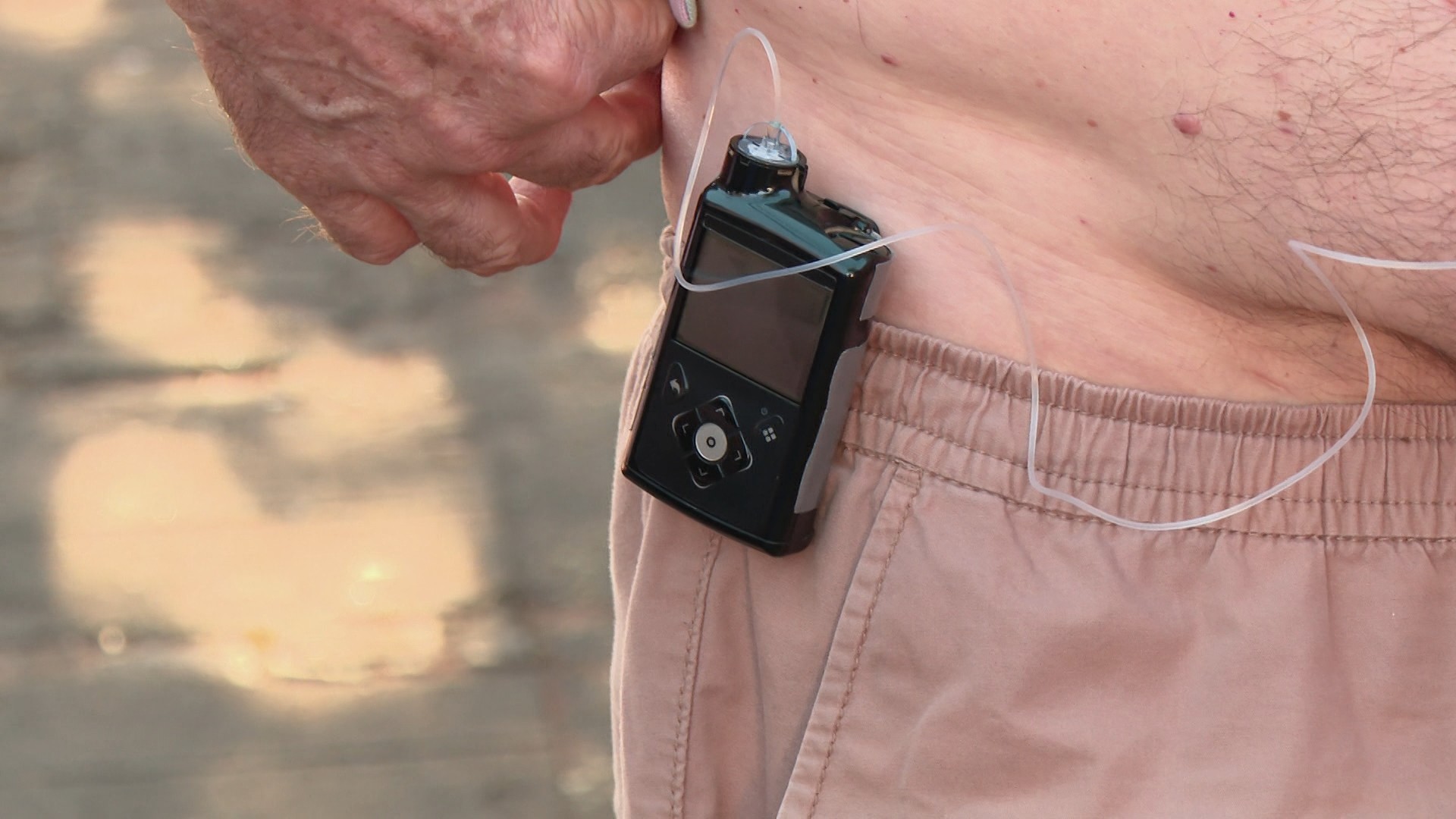
Patients with type 1 diabetes in Mococa, São Paulo, are facing critical shortages of essential supplies for their insulin pumps, jeopardizing their treatment and quality of life. These pumps, which mimic the function of the pancreas by releasing insulin to control glucose levels, are vital for managing the condition. Luiz Desuó Filho, a merchant who relies on the pump, described the situation as a "ticking time bomb," emphasizing the urgent need for supplies to maintain a normal life. He and his wife had to resort to legal action to obtain the equipment, which should be provided monthly by the Municipal Pharmacy. Despite a partial supply on June 23rd, the catheter, crucial for delivering insulin, was missing. The municipality stated it serves 15 patients under court orders, representing an annual investment exceeding R$1 million, fully funded by the city. However, financial issues with the supplier have led to a temporary suspension of new purchases, despite proposals for debt installment plans. The Prefeitura claims this is not an administrative decision to halt treatment but a temporary material impossibility to acquire the necessary supplies. The situation has severe consequences for families; Rilda Alves, a teacher, shared that one son stopped using his pump due to lack of supplies, while her daughter, whose diabetes is more severe, has developed diabetic retinopathy, a complication that can lead to irreversible vision loss. Another patient, Ana Luiza da Silva, is struggling to monitor her glucose levels because her pump is operating without a sensor, a device she calls her "salvation."
This situation highlights a critical failure in public health supply chain management, exacerbated by judicial mandates placing the full financial burden of advanced medical equipment on a single municipality. The reliance on a sole supplier and resulting financial disputes create a precarious dependency for patients whose lives depend on continuous access to these devices. The core issue appears to be a systemic challenge in ensuring consistent funding and procurement for essential medical technologies, particularly when judicial orders outpace municipal budgetary capabilities or when supplier relationships break down. Looking ahead, this case underscores the need for more robust, flexible, and transparent mechanisms for funding and distributing life-sustaining medical supplies, potentially involving state or federal intervention to mitigate localized financial vulnerabilities and ensure equitable patient access across different regions and socioeconomic contexts.
AI-generated to prompt reflection — not editorial opinion, not advice, not a statement of fact. How this works.