Diamantina Church Preserves History, Including Burial Site of Chica da Silva
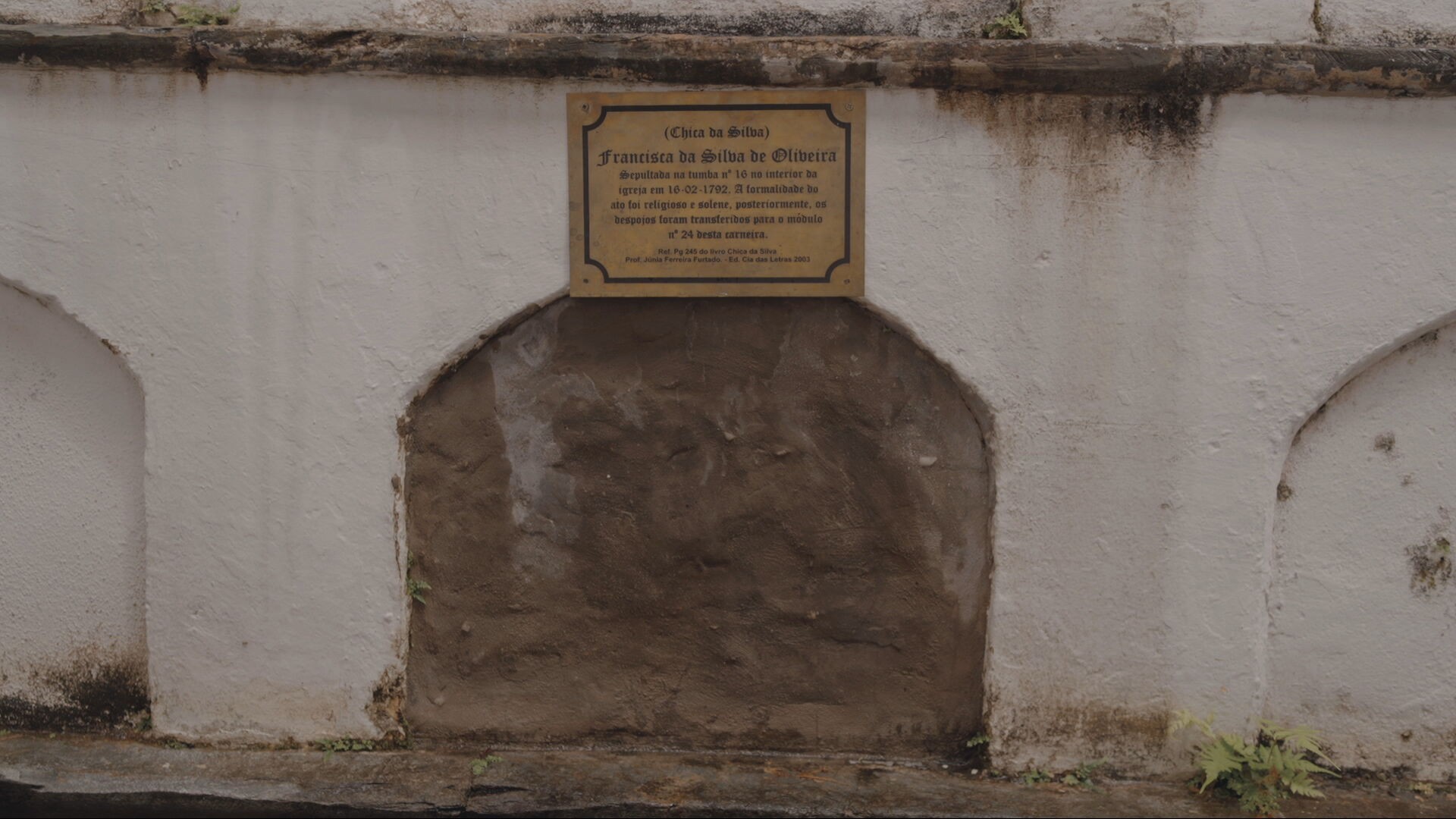
The Church of the Third Order of Saint Francis in Diamantina, Brazil, serves as a significant historical repository, most notably as the final resting place of Chica da Silva. Although her remains were moved to an adjacent cemetery in the 1930s, she was originally interred within the church at the altar of Saint Isabel in 1796, as per her testamentary wishes. Chica da Silva, a prominent figure in Minas Gerais history, maintained a strong connection to this church throughout her life, reflecting a deep devotion to Saint Francis of Assisi and Saint Isabel. Her family's devotion reportedly began during her difficult birth, when her mother invoked Saint Francis for protection. Beyond its connection to Chica da Silva, the church, founded in 1754, embodies centuries of faith and social assistance, mirroring the historical role of religious brotherhoods in providing services absent from the state during the colonial era. Initially established by Portuguese immigrants, the Order later welcomed Black and mixed-race individuals in the 19th century, adapting to Diamantina's mining-driven society and complex social dynamics. The church's interior houses historical artifacts, including liturgical vestment storage furniture from 1769 and an 18th-century image of Saint Isabel, symbolizing charity and service. Today, the church continues its mission of social assistance through initiatives like food basket distribution and aid for cancer patients, funded by visitor fees, community contributions, and volunteer work. It remains a vital center for both historical preservation and ongoing community support.
The Church of the Third Order of Saint Francis in Diamantina functions as a living historical archive, demonstrating how religious institutions historically provided essential social services in the absence of robust state infrastructure. Its enduring connection to figures like Chica da Silva highlights the complex social fabric of colonial Brazil, where individuals navigated and influenced societal structures. The church's continued operation, reliant on community support and visitor contributions, illustrates a sustainable model for heritage preservation and social welfare, contrasting with state-dependent systems. This model, rooted in faith-based community organization, offers a perspective on decentralized social support mechanisms that may become increasingly relevant in future societal structures, particularly in addressing localized needs and preserving cultural memory.
AI-generated to prompt reflection — not editorial opinion, not advice, not a statement of fact. How this works.