Did Albert Einstein Ever Make Mistakes in His Work?
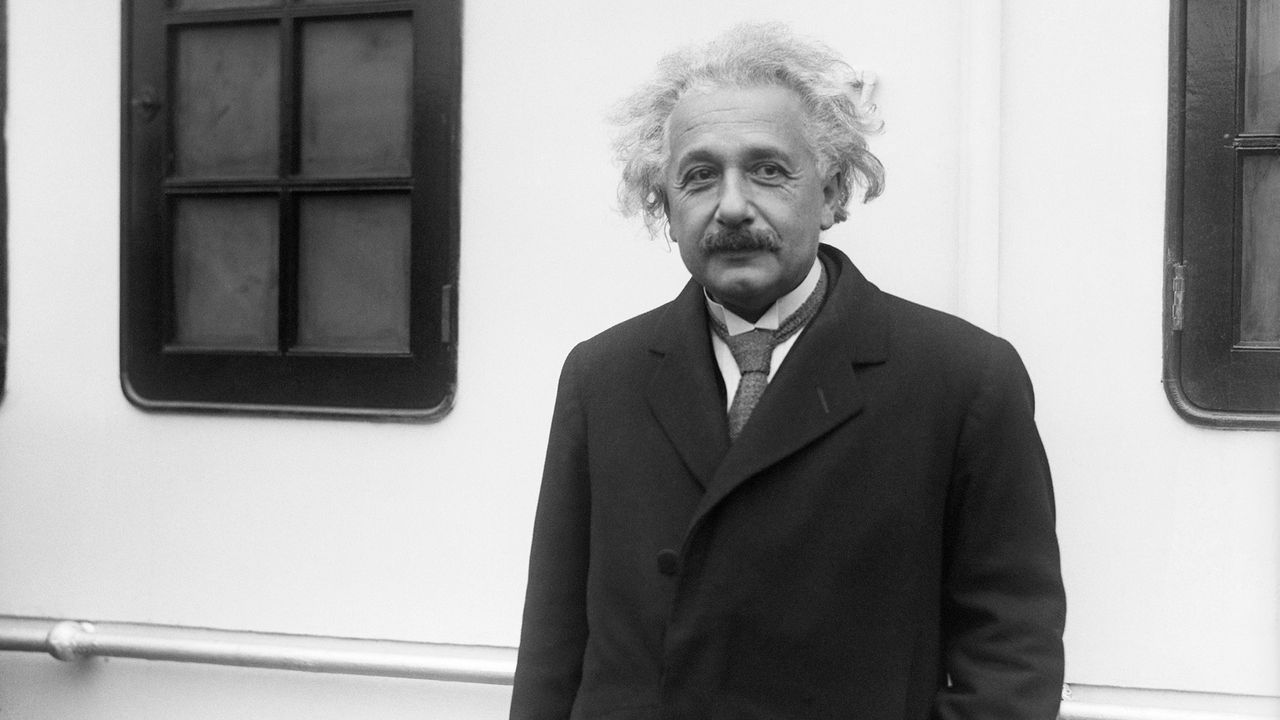
While Albert Einstein is widely considered a genius, he himself acknowledged that his scientific contributions were not entirely flawless. This perspective invites an examination of the areas where his theories or predictions might have been inaccurate or incomplete. Even revolutionary thinkers like Einstein faced limitations in their understanding, and their work often served as a stepping stone for future scientific advancements. Exploring these perceived errors is crucial for understanding the evolution of physics and the self-correcting nature of scientific inquiry. It highlights that scientific progress is a continuous process of refinement and discovery, built upon the foundations laid by previous generations of scientists, including giants like Einstein. His willingness to admit potential shortcomings underscores the humility often found at the forefront of scientific exploration.
Examining the potential inaccuracies in Albert Einstein's work, even when acknowledged by the scientist himself, offers a valuable lens into the iterative nature of scientific progress. It is crucial to distinguish between genuine scientific limitations or areas requiring further development and outright errors. Understanding these nuances helps to contextualize the historical development of physics and the ongoing refinement of our understanding of the universe. This process, driven by new data and theoretical advancements, is fundamental to scientific evolution and does not diminish the profound impact of foundational theories. It encourages a forward-looking perspective, recognizing that current scientific paradigms will likely be built upon and modified by future discoveries, particularly in fields like quantum mechanics and cosmology.
AI-generated to prompt reflection — not editorial opinion, not advice, not a statement of fact. How this works.