Did BTS, Shakira, and Madonna Get Paid for World Cup Halftime Shows?
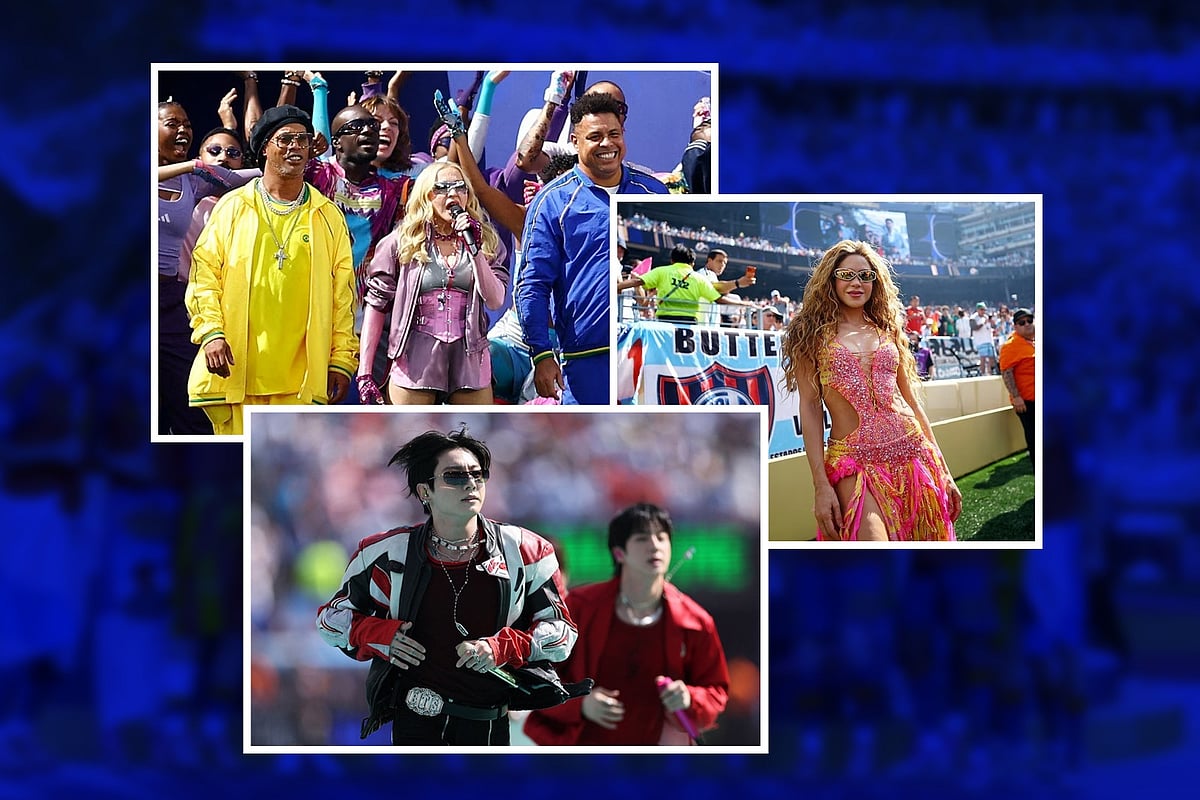
For the first time, the World Cup final featured a spectacular halftime show modeled after the Super Bowl. This event raises questions about the financial arrangements for performers who participate in such high-profile events. Historically, artists performing at the Super Bowl's halftime show have not received a direct performance fee. Instead, they benefit from the immense exposure, which can lead to significant increases in album sales, streaming numbers, and tour revenue. The organizers typically cover the production costs, which can run into millions of dollars. It is plausible that similar financial models were applied to the World Cup halftime show, prioritizing exposure and long-term career benefits over an upfront payment. The article does not specify the exact payment structure for the artists involved in the World Cup halftime performance.
The organization of major sporting events often involves complex financial negotiations with performers, balancing direct compensation against the substantial promotional value derived from global exposure. While direct payment may not always be the primary incentive, the immense reach of events like the World Cup can significantly boost an artist's brand and future earning potential through increased sales and streaming. Examining the economic models employed by event organizers can reveal insights into how cultural impact and commercial interests are integrated. Future iterations of such events may see evolving compensation structures as the value of live performance and global visibility continues to be redefined in the digital age.
AI-generated to prompt reflection — not editorial opinion, not advice, not a statement of fact. How this works.