Did dinosaurs perish in hours? Meteorite sparked fires, turning Earth into a grill
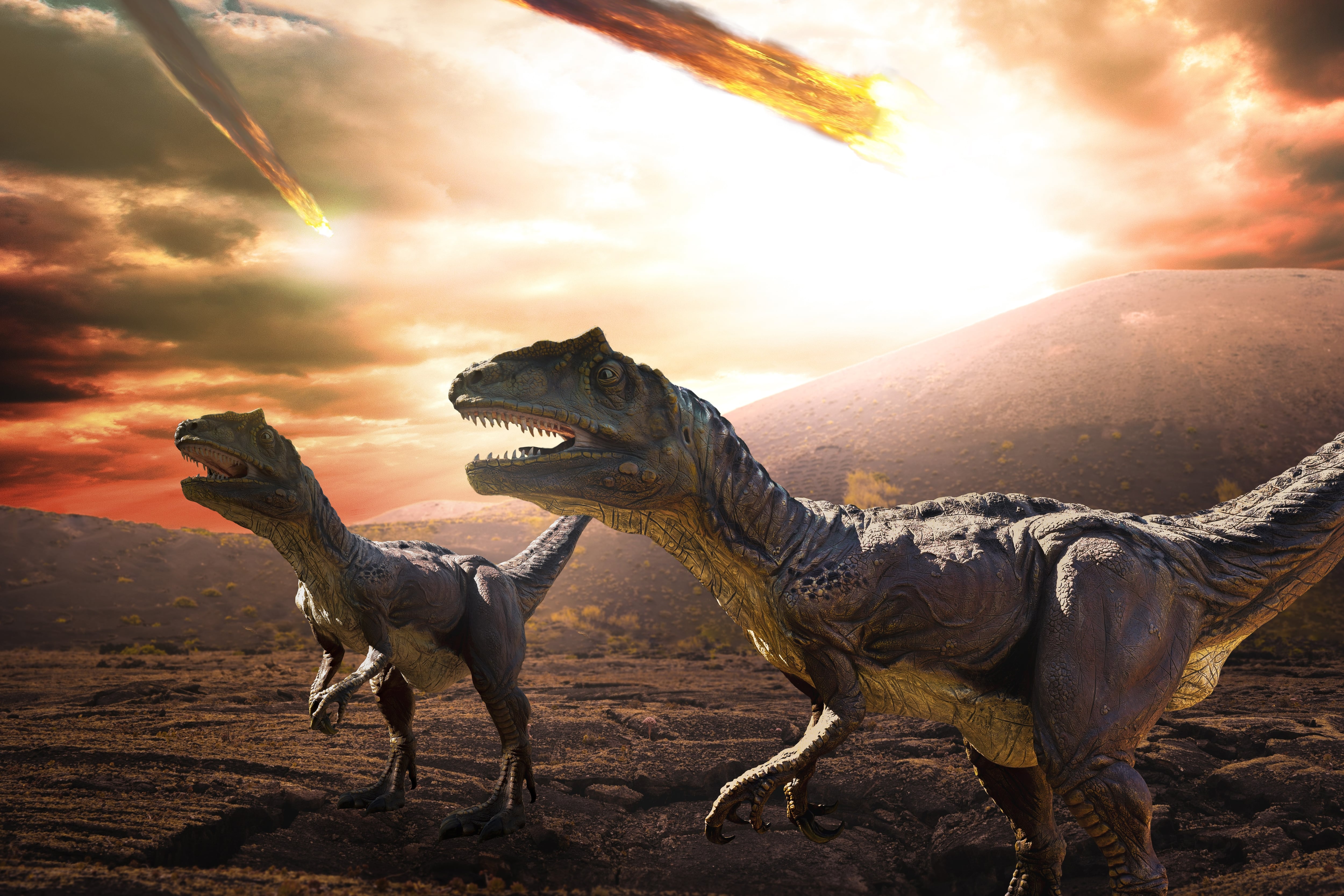
A recent study suggests that the majority of terrestrial life was extinguished within moments 66 million years ago due to intense heat. This catastrophic event is linked to the impact of a meteorite, which triggered widespread fires. The resulting atmospheric conditions trapped heat, effectively transforming the planet into a "grill." This rapid and extreme temperature increase is proposed as the primary mechanism for the mass extinction that wiped out the dinosaurs and many other species.
The hypothesis that the Cretaceous-Paleogene extinction event was primarily caused by a short-lived, intense heat pulse following a meteorite impact warrants careful consideration of atmospheric physics and geological evidence. While the immediate aftermath of such an impact would undoubtedly involve significant thermal radiation and widespread fires, the precise duration and global efficacy of this "grill" effect require robust modeling. Alternative or complementary extinction mechanisms, such as prolonged impact winter, tsunamis, and acid rain, also played significant roles in shaping the post-impact environment. Understanding the relative contributions of these factors is crucial for a comprehensive picture of Earth's most profound biodiversity crisis and offers insights into planetary resilience and the long-term consequences of large-scale geophysical events.
AI-generated to prompt reflection — not editorial opinion, not advice, not a statement of fact. How this works.