Did Donald Trump Fulfill His Promise to Reduce the US Deficit with Tariffs?
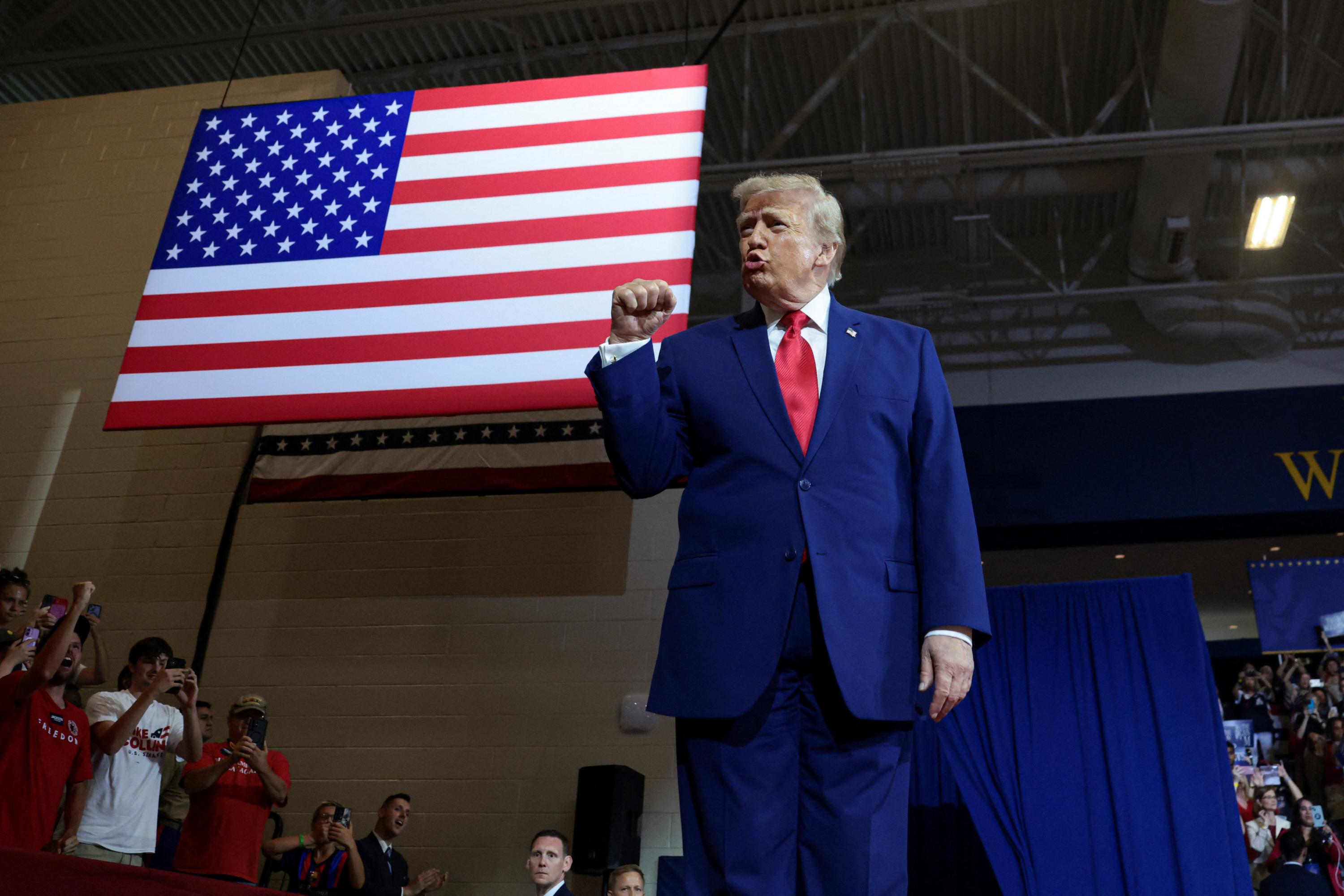
Donald Trump is continuing his trade war strategy by imposing new customs duties on 60 countries, including those in the European Union, starting this Friday. This action marks a persistent move in his approach to international trade. However, the results achieved thus far appear to fall short of the ambitious goals initially set by the former president. The effectiveness of these tariffs in achieving their stated objectives, particularly in reducing the US deficit, remains a subject of considerable debate and scrutiny.
The imposition of new tariffs by the United States on a broad range of countries, including EU member states, represents a continuation of a protectionist trade policy. While the stated intent is often to reduce trade deficits and stimulate domestic industries, the actual economic impact of such measures is complex. Tariffs can lead to retaliatory measures from other nations, potentially disrupting global supply chains and increasing costs for consumers and businesses. The effectiveness of tariffs in significantly altering national debt or trade balances is historically debated, with economic models suggesting that factors such as fiscal policy, monetary conditions, and global economic growth play more substantial roles. Future trade relations will likely depend on a balance between national economic interests and the interconnectedness of the global economy, with potential shifts towards regional trade blocs or more targeted bilateral agreements.
AI-generated to prompt reflection — not editorial opinion, not advice, not a statement of fact. How this works.