Did grocery prices fall at discounters after VAT reduction?
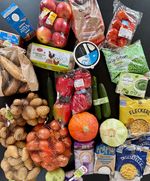
On the first day of the value-added tax (VAT) reduction on basic foodstuffs, a discounter was visited to calculate actual savings. The measure, implemented on January 1, 2024, aimed to lower prices for consumers. However, the initial assessment suggests that the savings realized by shoppers may not be as significant as anticipated. The analysis focused on a range of essential grocery items typically found in a discounter's inventory. The calculations compared prices before and after the VAT adjustment. While some price decreases were observed, the extent of these reductions varied across different product categories. The effectiveness of the VAT cut in translating directly to lower consumer prices at the checkout remains a key question. Further monitoring will be necessary to determine the long-term impact of this policy change on grocery affordability.
The implementation of a VAT reduction on basic foodstuffs is intended to provide direct financial relief to consumers. However, the initial findings suggest a potential disconnect between the policy's objective and its on-the-ground effect at discounters. Market dynamics, including retailer pricing strategies and supply chain costs, likely influence how much of the tax cut is passed on to shoppers. This situation highlights the complexities of translating fiscal policy into tangible consumer benefits, prompting a review of mechanisms that ensure such reductions effectively reach households. Future policy considerations might involve enhanced transparency requirements or direct subsidies to guarantee that tax relief translates into lower prices.
AI-generated to prompt reflection — not editorial opinion, not advice, not a statement of fact. How this works.