Did Humans Really Land on the Moon?
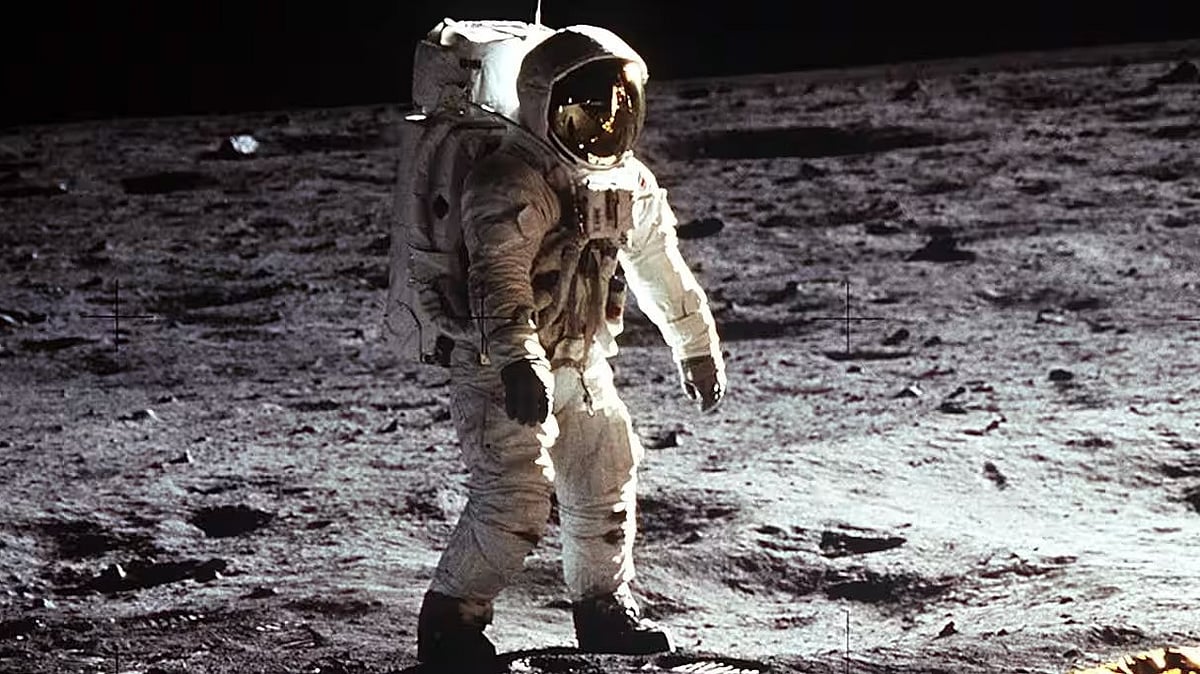
The moon landing by Neil Armstrong and Buzz Aldrin in 1969 continues to be doubted by many people. Despite overwhelming evidence and scientific consensus, a segment of the population maintains skepticism about the authenticity of the Apollo 11 mission. This enduring disbelief highlights a persistent challenge in public trust regarding historical events and scientific achievements. The iconic images and testimonies from the mission are often cited as proof, yet counter-narratives persist. The scientific community has consistently refuted these doubts with data and explanations. However, the persistence of these conspiracy theories indicates a deeper societal issue with accepting established facts.
The persistent questioning of the 1969 moon landing, despite extensive evidence, reflects a broader societal challenge in discerning verifiable information. This phenomenon, often amplified by digital information ecosystems, underscores the need for robust media literacy and critical thinking skills. Understanding the psychological and social factors that contribute to the spread of misinformation is crucial for fostering informed public discourse. Future efforts should focus on enhancing transparency in scientific communication and building trust through accessible, evidence-based explanations to counter unsubstantiated narratives.
AI-generated to prompt reflection — not editorial opinion, not advice, not a statement of fact. How this works.