Did the Iran conflict deplete US interceptor missile stocks?
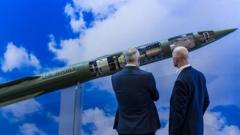
This report investigates whether the depletion of American interceptor missile stockpiles influenced former President Donald Trump's decision to avoid escalating the conflict with Iran. It examines evidence, estimates, and differing viewpoints on this matter. The central question is whether the perceived reduction in these critical munitions played a role in strategic calculations regarding potential military action against Iran. The analysis delves into the potential implications for US defense readiness and its foreign policy decision-making processes. It aims to provide a balanced overview by presenting arguments from various perspectives. The report seeks to shed light on the complex interplay between military resource management and geopolitical decision-making during times of international tension.
This inquiry probes the potential impact of munitions stock levels on presidential decisions during geopolitical crises. It highlights the critical interdependence between military readiness and foreign policy objectives. Evaluating such connections requires careful consideration of available data and strategic assessments, acknowledging that decisions are often multifactorial. The analysis should focus on the incentive structures driving resource allocation and the potential for unintended consequences when military capabilities are perceived as strained. Understanding these dynamics is crucial for assessing future strategic planning and the resilience of defense supply chains in an era of heightened global competition.
AI-generated to prompt reflection — not editorial opinion, not advice, not a statement of fact. How this works.