Didier Deschamps: A Pragmatic Coach Focused on Winning, Not Flair
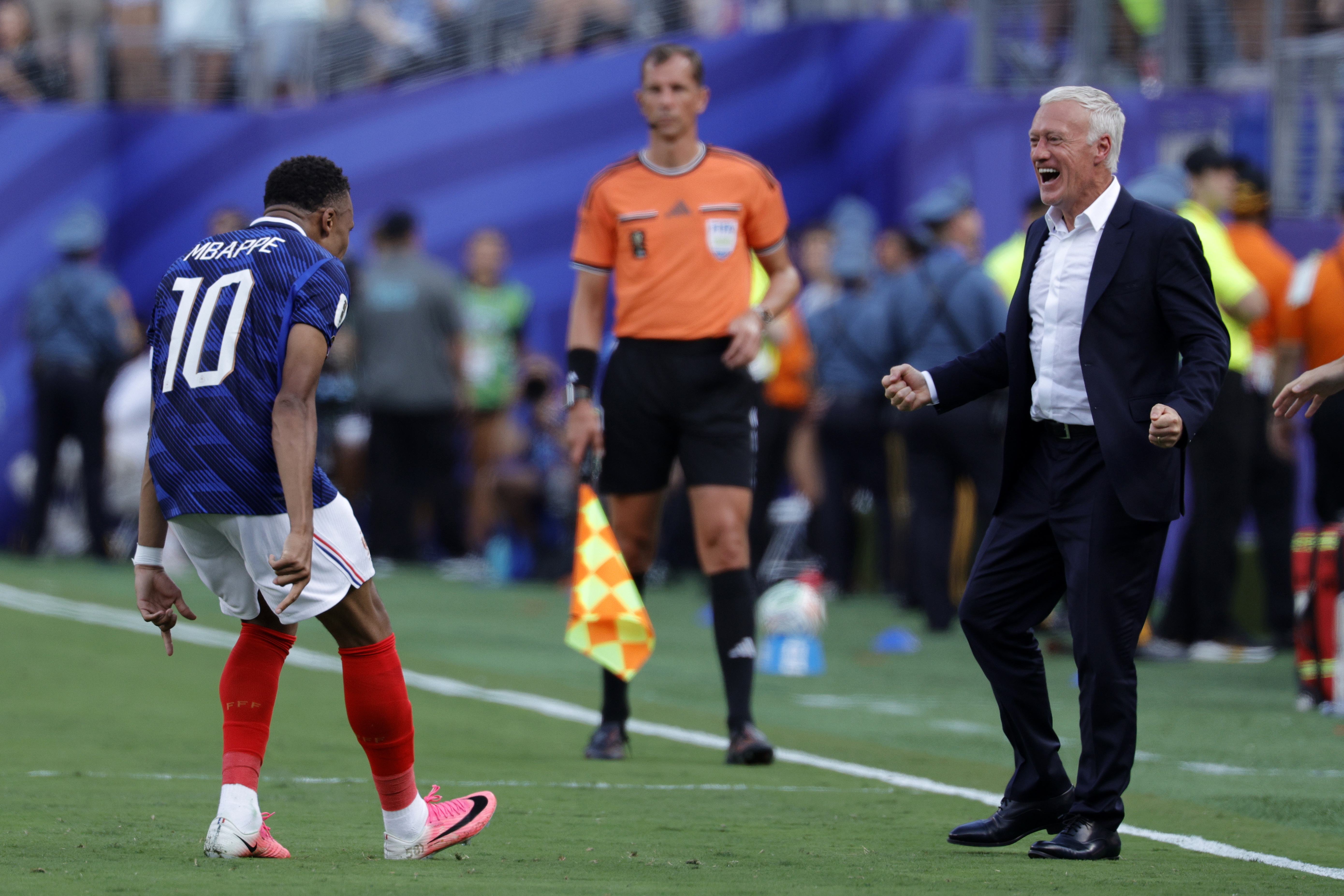
Didier Deschamps never aimed to coach the team that played the most aesthetically pleasing football; his sole objective was to lead the team that won the most matches. After fourteen years, he is set to depart the French national team's bench as the most successful coach in World Cup history. His tenure has been defined by a results-oriented approach, prioritizing victories above all else. This philosophy has evidently paid off, securing his place in the annals of football management. Deschamps' legacy is one of unparalleled success in terms of tournament wins. He has consistently guided France to top-tier performances on the global stage. His departure marks the end of a significant era for French football. The focus has always been on the final score, a strategy that has yielded considerable rewards.
Didier Deschamps' coaching philosophy highlights a fundamental tension in football between stylistic ideals and pragmatic success. His approach prioritizes tangible outcomes, such as tournament victories, over the cultivation of a universally admired playing style. This focus on results, while demonstrably effective in achieving major trophies, raises questions about the long-term development of footballing artistry and player expression within national teams. Future coaching paradigms may need to balance the imperative of winning with the evolving expectations of fans and the potential for stylistic innovation, especially as artificial intelligence offers new analytical tools for performance optimization and tactical evolution.
AI-generated to prompt reflection — not editorial opinion, not advice, not a statement of fact. How this works.