Didier Deschamps: His Critics' Doubts Proved Him Right at the World Cup
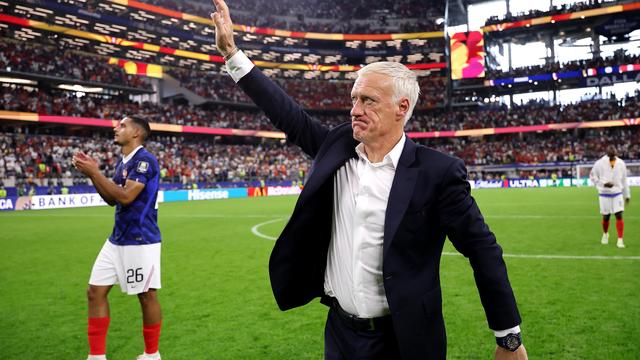
Despite facing criticism for his team's perceived 'anti-football' style, French coach Didier Deschamps achieved success at the World Cup by adopting an approach favored by his detractors. This strategic shift, which embraced the very tactics his critics had long advocated, ultimately proved to be the correct one for the team's performance. Deschamps's ability to navigate these contrasting viewpoints and still secure positive results highlights a complex dynamic in football coaching. The World Cup campaign demonstrated that his unconventional methods, when adapted, could lead to victory. This outcome suggests a re-evaluation of traditional footballing philosophies is warranted. The success achieved under this revised strategy underscores the adaptability of Deschamps as a manager. His critics' initial skepticism was ultimately overcome by the team's performance.
The narrative surrounding Didier Deschamps's coaching style at the World Cup presents a fascinating case study in strategic adaptation and the subjective nature of performance evaluation in competitive sports. While labeled 'anti-football' by some, the team's success under a modified approach suggests that tactical flexibility, even when it deviates from conventional aesthetics, can be a potent driver of results. This outcome prompts reflection on how sporting bodies and media frame 'effective' play, potentially overlooking the efficacy of pragmatic strategies in favor of stylistic preferences. Looking ahead, such instances highlight the evolving landscape of team sports, where the integration of data analytics and diverse tactical frameworks may continue to challenge traditional paradigms, pushing coaches to balance stylistic ideals with the pursuit of victory in an increasingly competitive global arena.
AI-generated to prompt reflection — not editorial opinion, not advice, not a statement of fact. How this works.