Die Hard: How Frank Sinatra's Rejection and a Low Salary Led to an Unlikely Action Classic
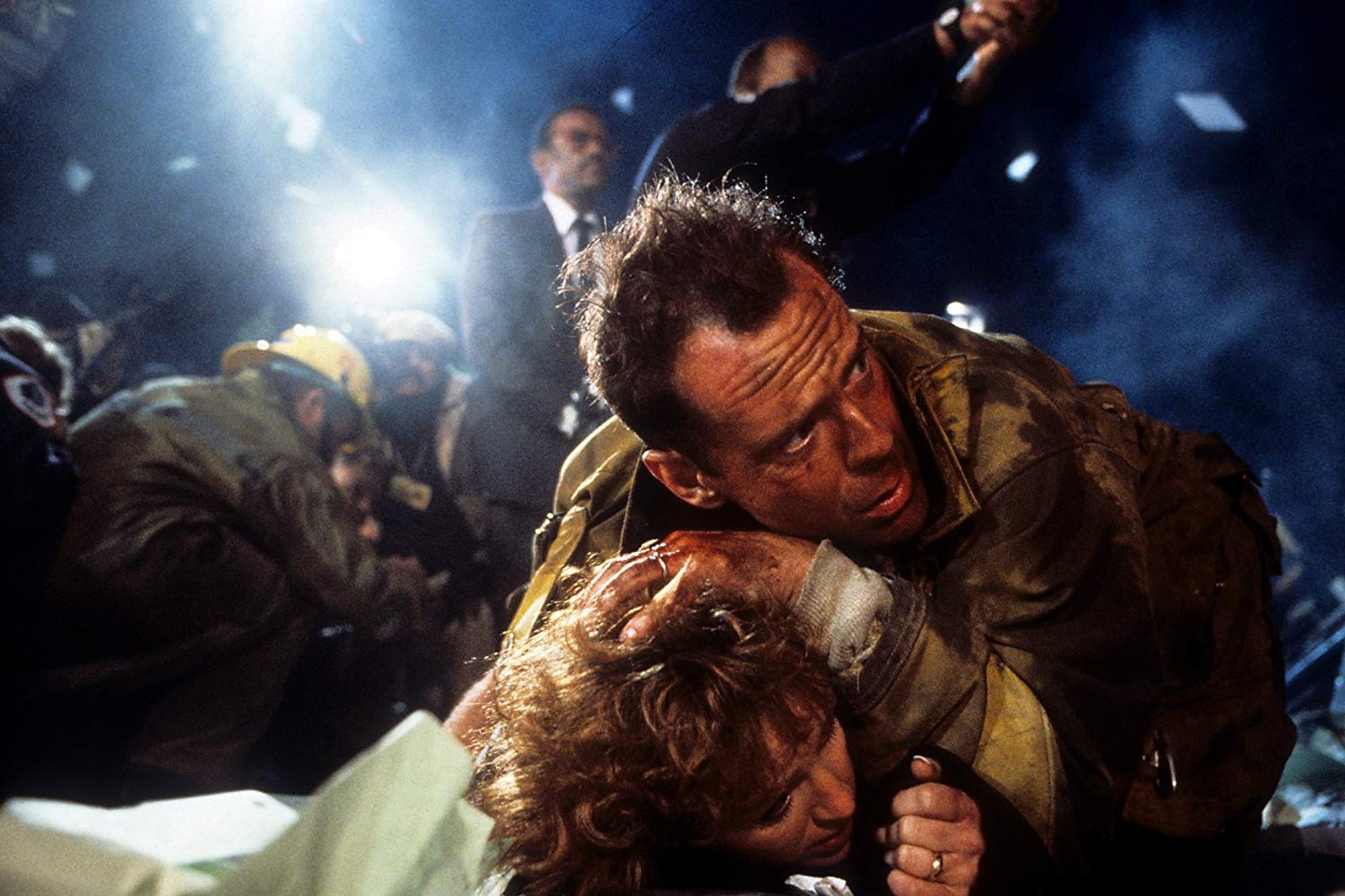
The iconic action film 'Die Hard,' which launched Bruce Willis to superstardom, had a precarious beginning and was almost a complete failure. The movie's premise was based on a story that remained unproduced for thirty years before being adapted for the screen. Initially, the role of John McClane was offered to Frank Sinatra, who ultimately rejected it. This rejection, coupled with Bruce Willis's relatively low salary for the part, contributed to skepticism surrounding the film's potential success. Many believed the movie was destined to fail, given its troubled development and the unconventional casting choice. Despite these significant hurdles, 'Die Hard' defied expectations to become one of the greatest action films ever made. Its success demonstrated that a compelling narrative and strong execution could overcome initial doubts and unconventional casting. The film's enduring legacy is a testament to its innovative approach to the action genre.
The production history of 'Die Hard' illustrates the inherent risks and unpredictable nature of the film industry, where initial rejections and unconventional casting can paradoxically lead to groundbreaking success. This case highlights how market perception and established norms can sometimes obscure the potential of a project. The film's eventual triumph suggests that innovation in storytelling and execution, rather than adherence to traditional formulas, can redefine genre expectations. Looking ahead, the ability of creative teams to identify and nurture such unconventional projects, despite potential skepticism from established players, will remain crucial for artistic and commercial evolution in an increasingly competitive entertainment landscape.
AI-generated to prompt reflection — not editorial opinion, not advice, not a statement of fact. How this works.